
Bringing sustained winds of over 115 kilometres per hour (71 miles per hour) and gusts of over 255 kilometres per hour (158 miles per hour), Typhoon Vamco has slammed into the Philippines, killing at least 42, destroyed infrastructure, and leaving some 3.8 million households without power. The typhoon slammed into the Quezon province and blew north of Manila, flooding communities, triggering landslides, and destroying property. Thousands of flights, trains, and sailings were cancelled or delayed due to the typhoon.
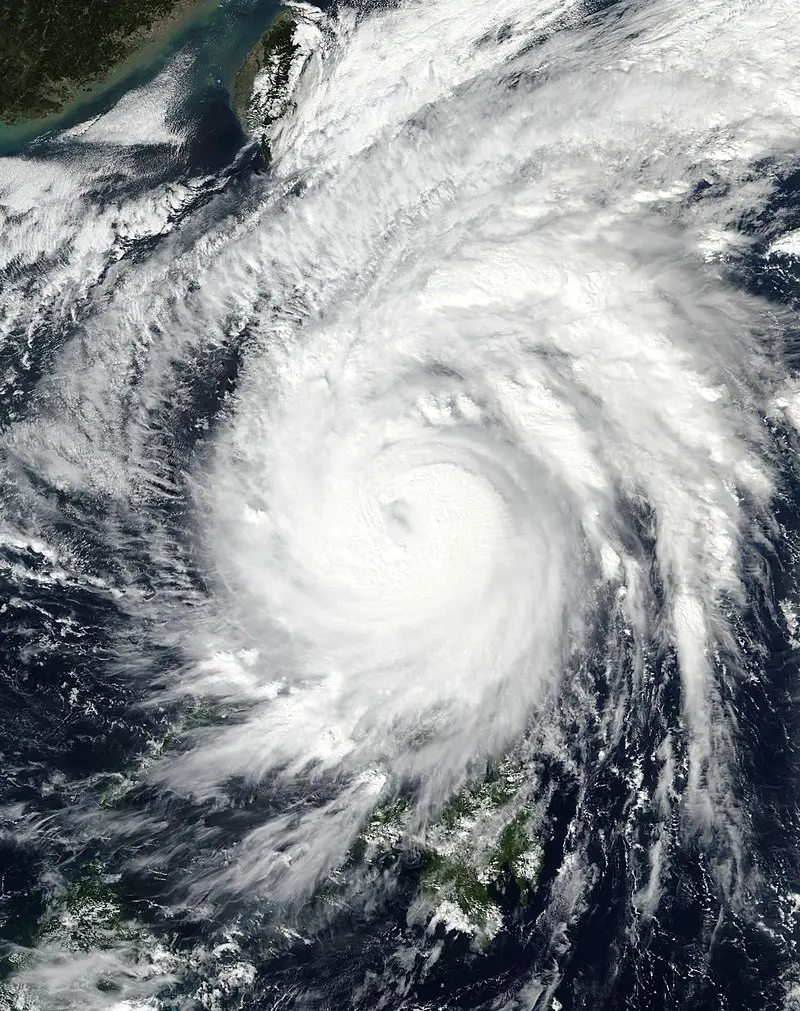
As of now, military, police, and other disaster-response units have been deployed to search for about 20 missing people, bring food and basic necessities to those affected, and help with repairs. Local media reports indicate that military amphibious assault vehicles were also deployed for search-and-rescue operations. Power has now been restored to a majority of those affected in and around Manila.
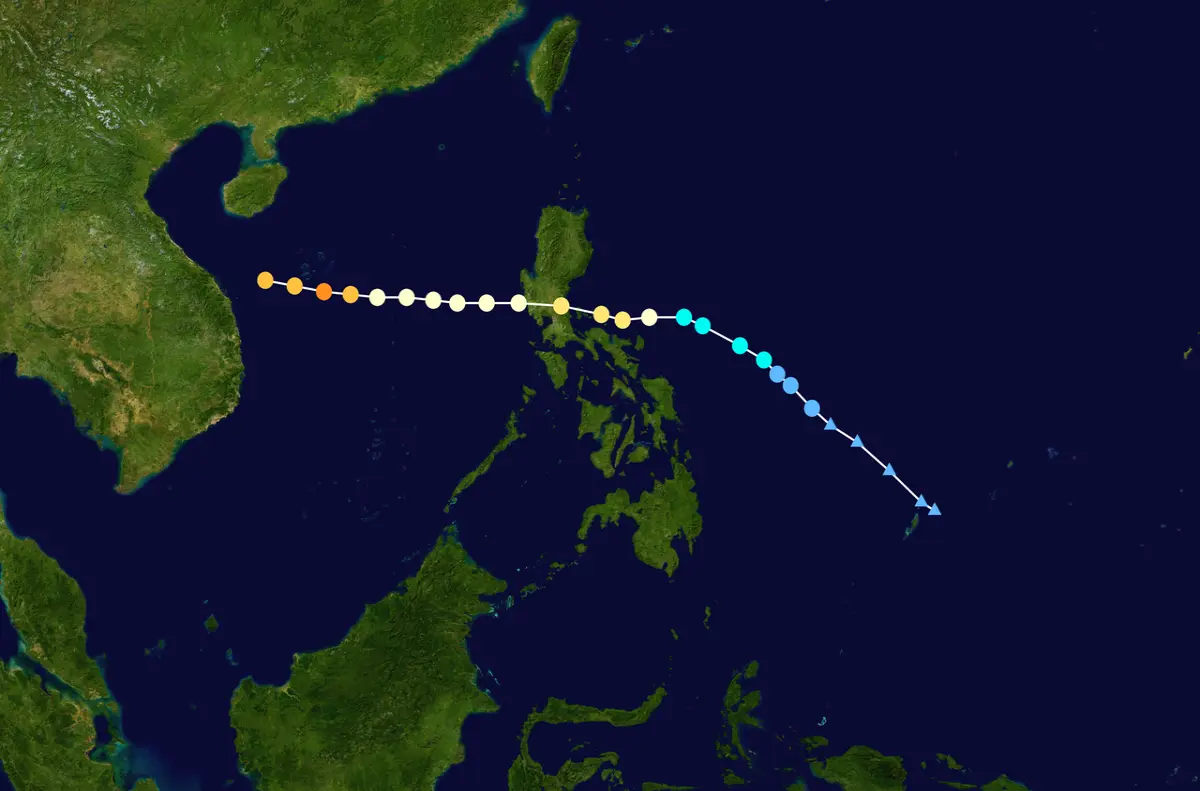
Following the typhoon, government offices and most schools around the most heavily impacted areas closed for the day. Prior to Typhoon Vamco making landfall on the Philippines, roughly 400,000 people were evacuated from coastal or low-lying areas. Currently, the exact economic damage is still unknown, though the death and injury tolls are expected to rise. Local media groups say that rescue operations are being hampered due to the spread of the Covid-19 coronavirus.

Typhoon Vamco is now heading towards Vietnam, and is expected to make landfall within the next day. Though the typhoon has weakened, many airports and beaches have been temporarily closed as the nation braces for torrential downpours and sustained winds of well over 100 kilometres per hour (62 miles per hour). Tens of thousands in coastal and low-lying areas have been evacuated.

Note: All photos used in this article were retrieved from the public domain, and do not require attribution or citation for commercial use.






