
At 07:50 local time, the National Aeronautics and Space Administration (NASA) successfully launched a one-tonne, 6-wheeled rover named Perseverance from the Cape Canaveral Air Force Station in Florida towards Mars in an effort to detect life or evidence of past life on the red planet. The rover was launched by an Atlas rocket, and is expected to reach Mars in mid-February of 2021.
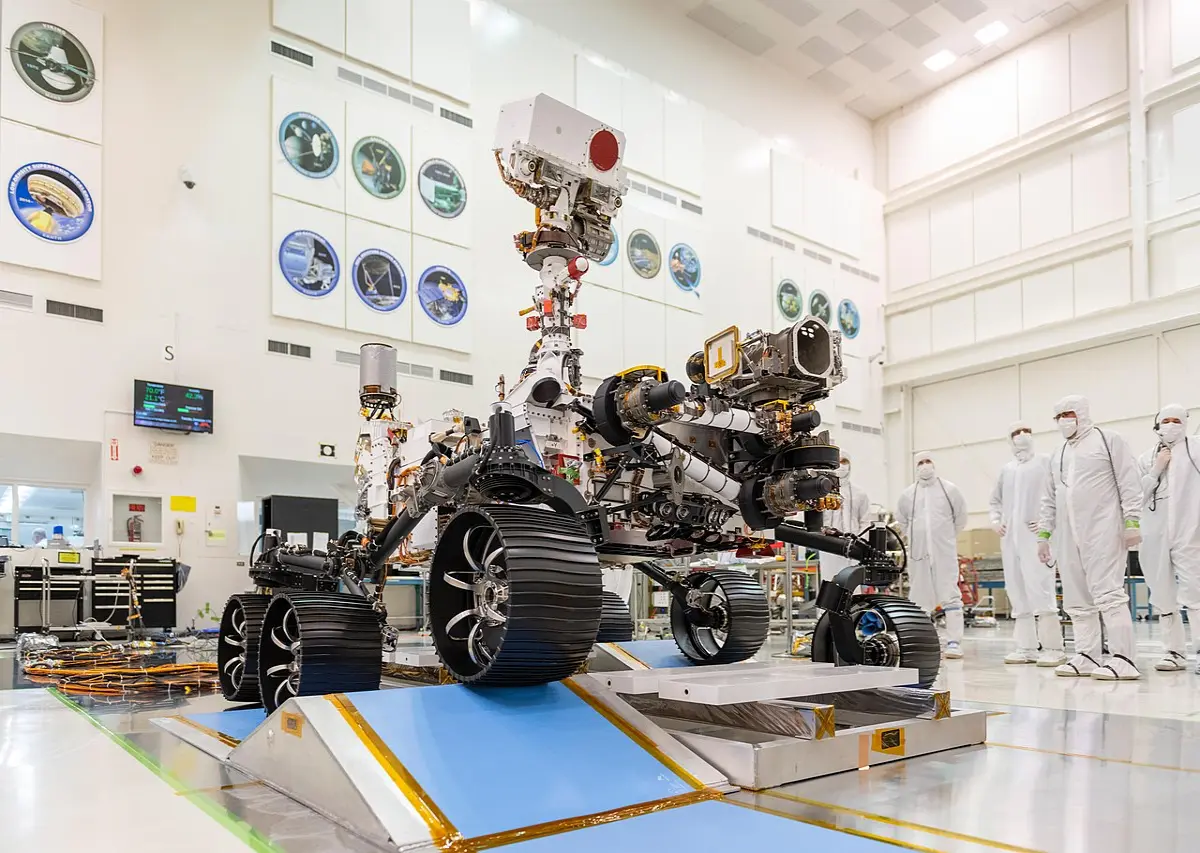
Perseverance will be attempting to land at the Jezero Crater, a near-equatorial bowl that is over 40 kilometres (25 miles) wide. Analysis of satellite images suggests that this crater may have once housed a lake billions of years ago, and some scientists believe that rocks formed in this environment could stand a chance of retaining evidence of past microbial life if it ever existed on the planet.
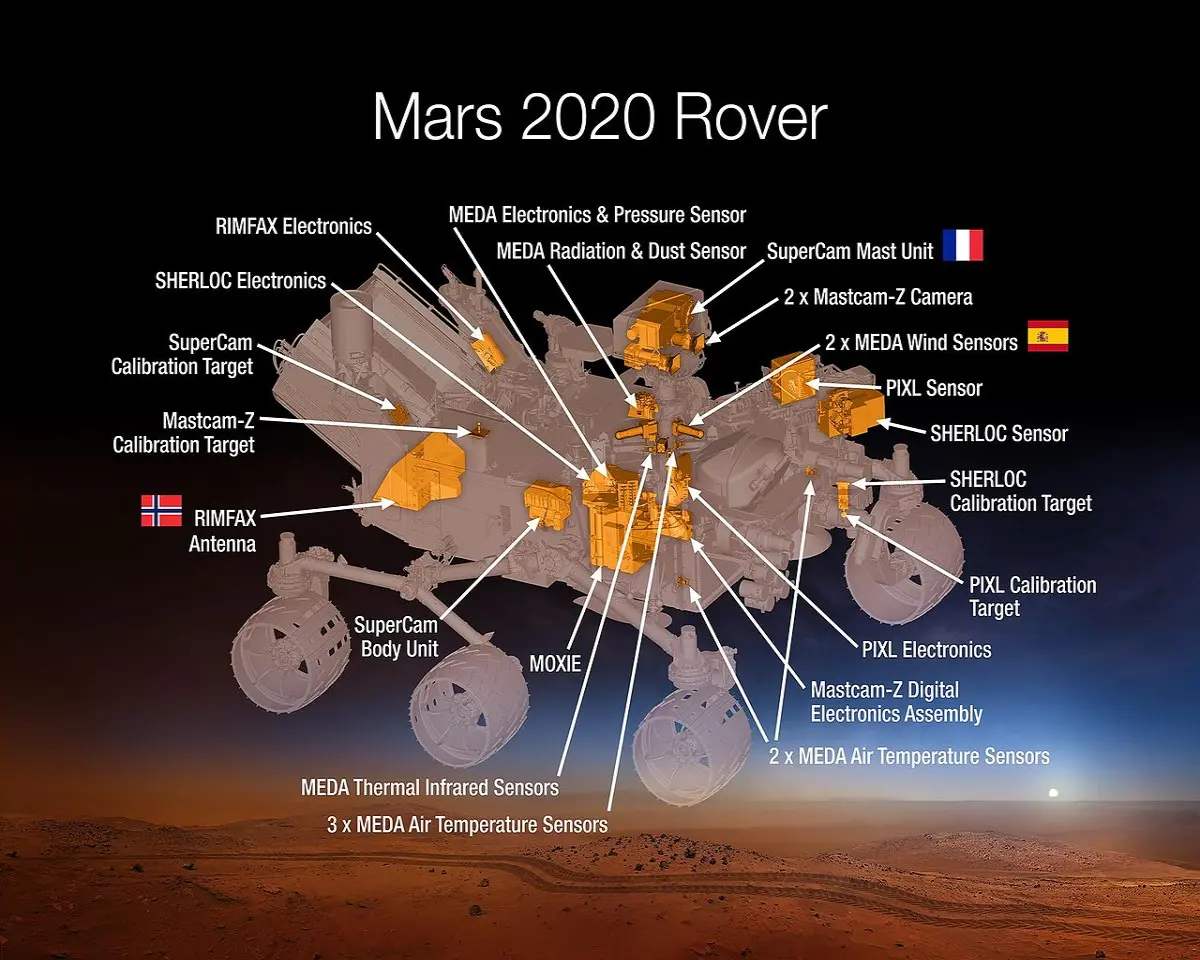
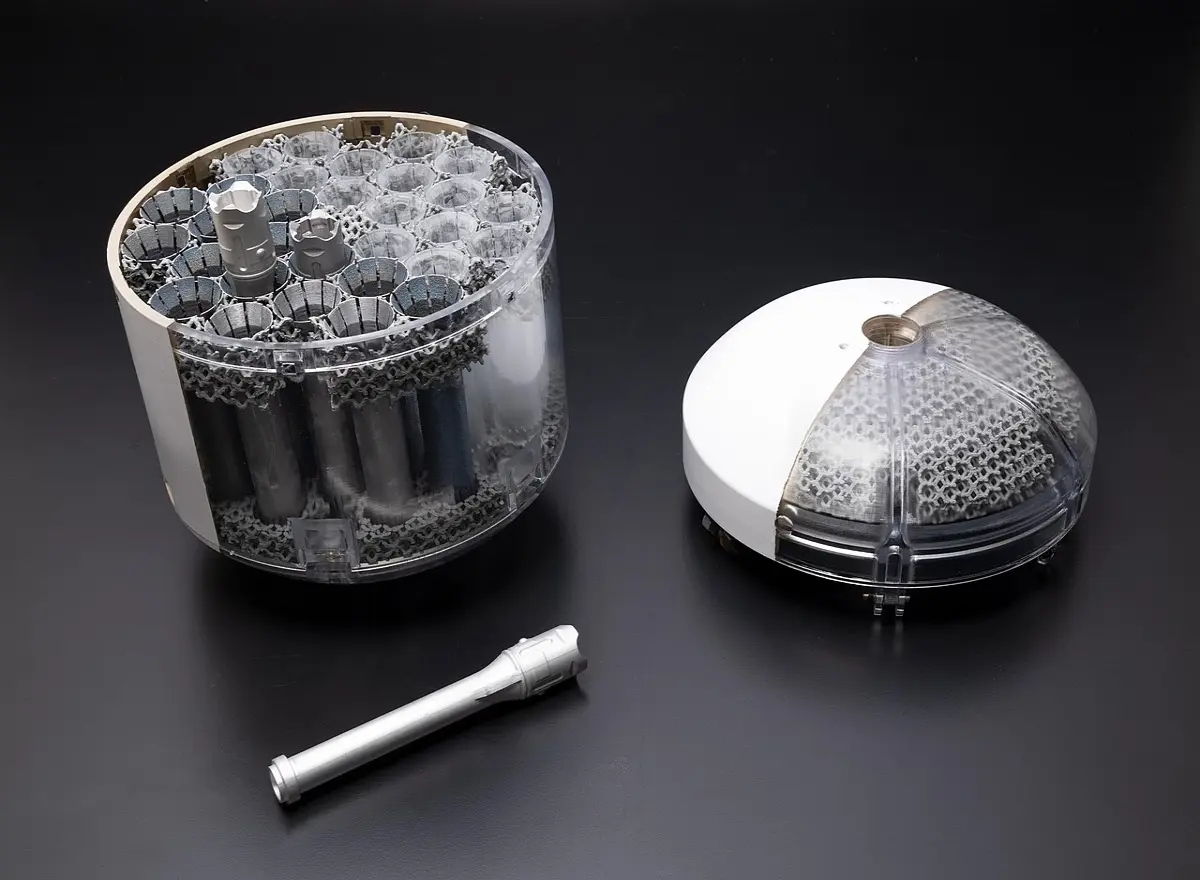
Perseverance will spend at least one Martian year roughly equivalent to 2 Earth years on Mars, and will also collect rock and soil samples that is expected to be retrieved by future missions and sent back to earth later this decade.
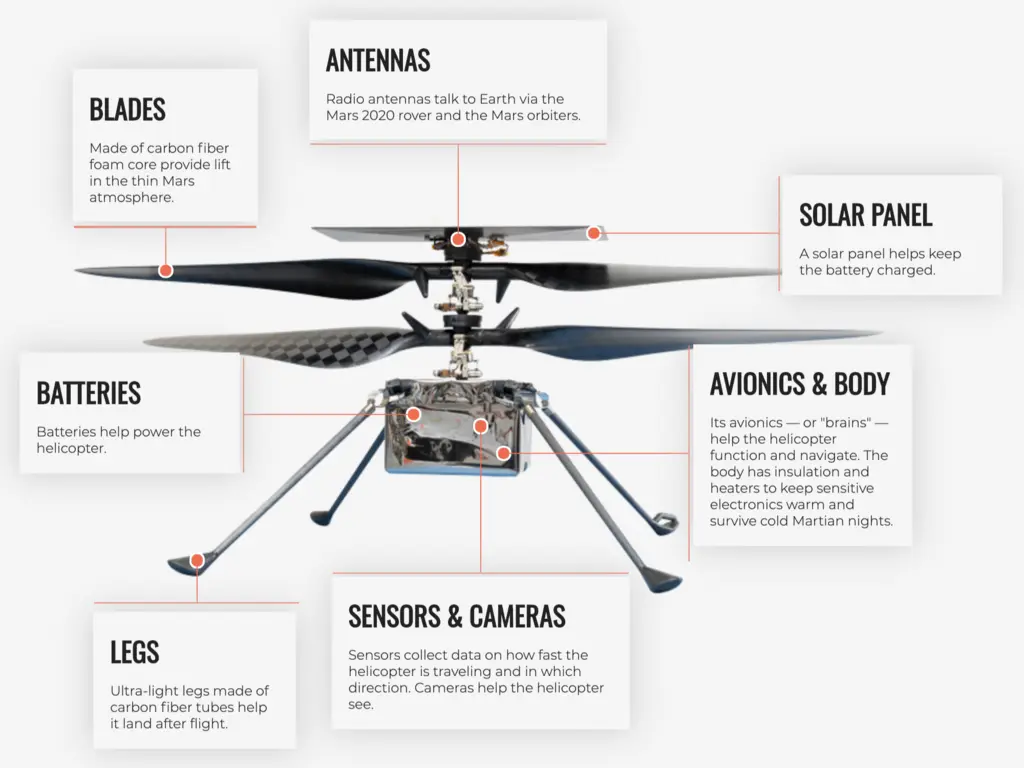
The rover will also be accompanied by the Ingenuity, a small helicopter planned to test aircraft technology on Mars, help plan routes for Perseverance, and scout interesting targets on the Martian terrain. Ingenuity weighs about 1.8 kilograms (4 pounds), and is expected to fly up to 5 times during the first 30 days of the mission. Each flight is planned to take under 3 minutes, flying at altitudes of under 10 meters (32 feet).
Note: The images used in this article were retrieved from the public domain, and do not require attribution or citation for commercial use.






