
Assets

COMPOUND
Supply
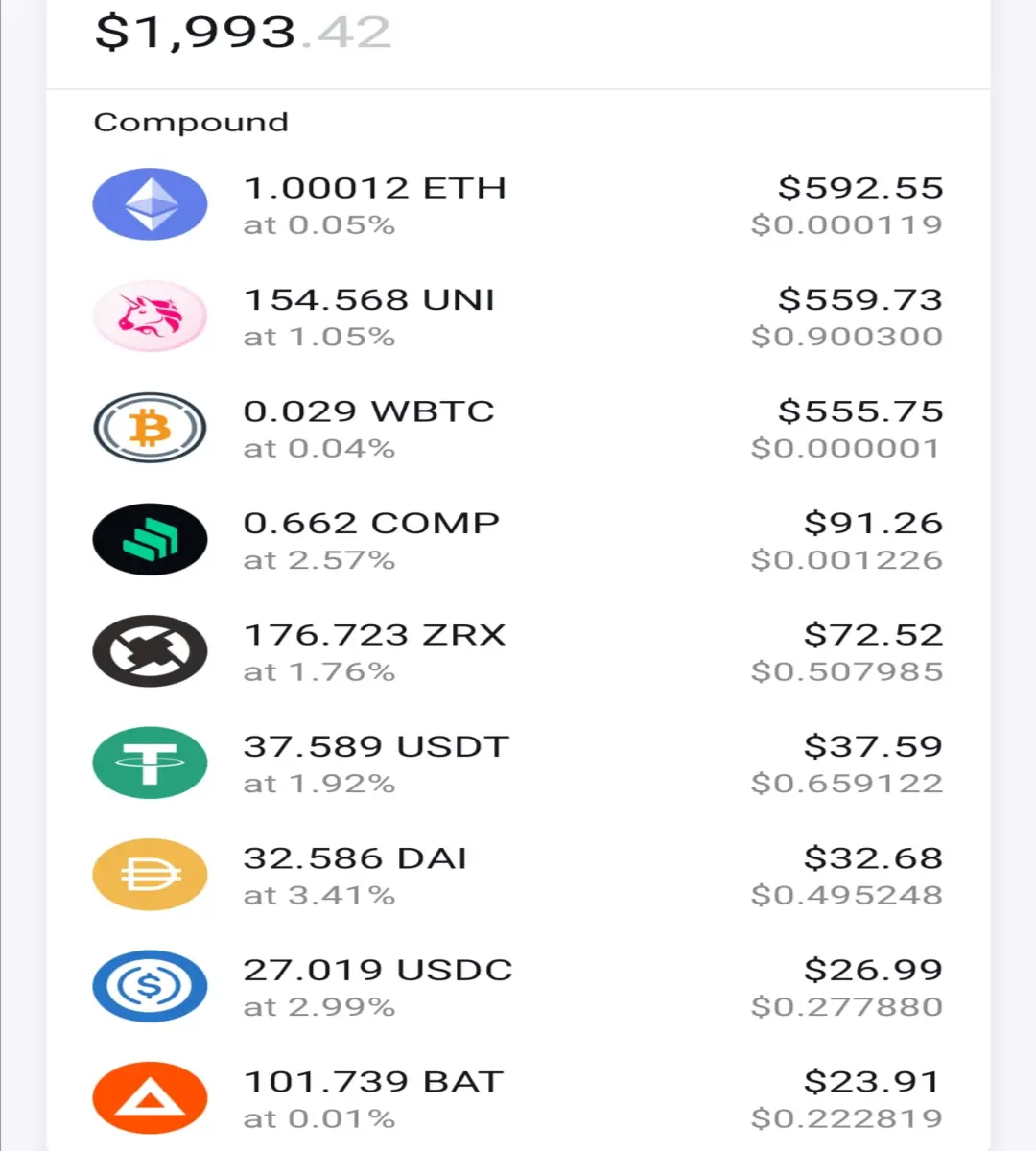
Borrowing

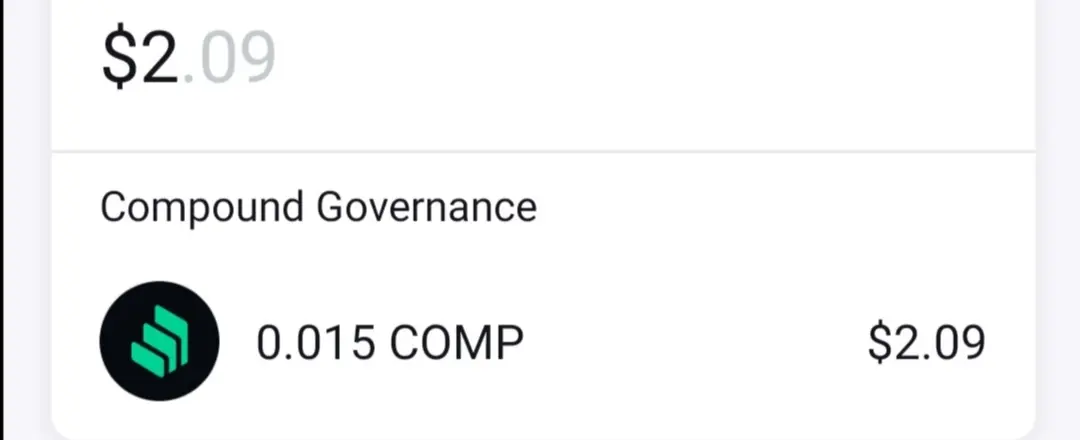
FARM
DeFi includes all those financial services that use smart contracts, automated executive agreements that do not require the presence of intermediaries and that, instead, use blockchain technology directly on the Internet.
In just three years, the value of DeFi-related smart contracts went from $ 2.1 million to $ 6.9 billion - an increase of $ 4.8 million, of which 2.9 million was recorded in August 2020 alone. .
This has resulted in a significant increase in the market capitalization of the tokens used within these contracts - at the moment it is around 15 billion dollars. Many of these tokens have tripled or quadrupled in value. Others have gone even further: Synthetix has risen over 20 times and Aave nearly 200 times. To make the concept even more understandable, if you bought $ 1,000 of Aave a year ago today you would have nearly $ 200,000 in your pocket.
DeFi, which for the most part is built on the Ethereum blockchain network, is the new trend that promises to revolutionize financial technology similar to what Bitcoin did 11 years ago.
The area in which decentralized applications (dApps) have managed to gain the most space is that of cryptocurrency trading on decentralized exchanges (dex) such as Uniswap. Each exchange is entirely peer-to-peer, no company or institution owns the platform.
In addition to totally free cryptocurrency trading, DeFi-related services include the ability to lend or borrow cryptocurrencies by accruing interest using platforms such as Aave or Compound. Augur, on the other hand, allows you to bet. With PoolTogether you can participate in a lottery without losing a single euro: in the end everyone is reimbursed the cost of the "ticket" and the lucky winner receives the accrued interest. You can trade derivatives of real assets, currencies or precious metals, on Synthetix.
Although many of the dApps today are extremely niche, future applications could have a big impact on daily life. In the not too distant future we may be buying a home on a DeFi platform with a mortgage. All deeds would be written in tokenized form on a blockchain ledger as collateral and, in the event of a default, the deeds would be automatically transferred to the lender. Since no lawyers or banks would be needed, it could make the entire process of buying and selling homes much cheaper.






