
10) What is Sizdah Be-dar
“Sizdah Be-dar” is the ancient celebration of the end of Nowruz in Iran. (In Persian, Sizdah means thirteen and people believe they should spend the first 13th day of the year in nature, otherwise, the bad omen of thirteen will stay with them.
When the New Year (according to the solar Hijri calendar) arrives, the people of Iran celebrate the first 13 days of the year by visiting relatives, travel as a two weeks vacation. The last day of the holiday has called Sizdah Be-dar or “the day of nature”.
https://en.wikipedia.org/wiki/Sizdah_Be-dar

9) Sizdah Be-dar Isn’t A New Thing!
Ancient and traditional celebrations and ceremonies are an important part of the culture and customs of any nation. Sizdah Be-dar, on the last day of the Nowruz holiday, has had a special place among Iranians for many years. Today, due to the busy schedule of urban life, spending a day in nature can be very pleasant, so why not!

8) Sizdah Be-dar in History
There are stories of Jamshid Shah, the king of ancient Iran, spending the 13th day of Nowruz in nature; In ancient literature, there are many signs of celebrating Nowruz in nature. The variety of Sizdah Be-dar ceremonies in the culture of different parts of the Persian language in the world can also be another reason for the oldness of this Nowruz celebration.
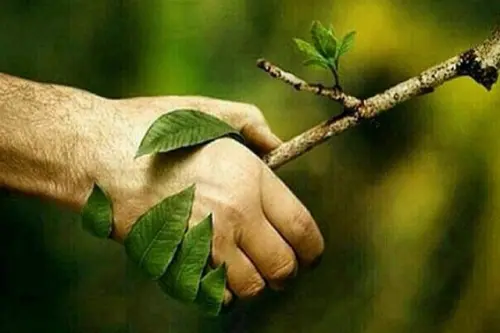
7) Sizdah Be-dar (Respect Nature!)
In the past, Sizdah Be-dar was also a day of respect and reconciliation with nature, and taking refuge in it was a sign of renewal and liberation from hardships.

6) Sizdah Be-dar Customs & Traditions
Sizdah Be-dar rituals have been created over the years and their diversity during these years in different cities of Iran shows the oldness of the real thing. But some of these customs are the same in all different cities. For example, tying the "grass" to gain fortune and marriage, or even their other wishes come true.
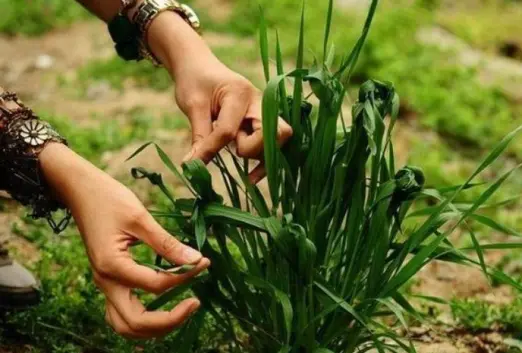
Or, for example, throwing green grass in water is one of the customs of this day. The green grass that people have kept at home during the first 13th day of spring would be returned to nature this way.
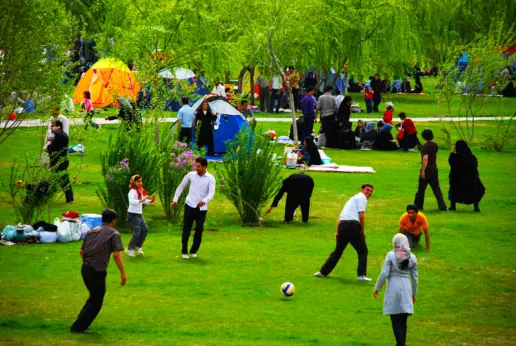
5) New Things Added to Sizdah Be-dar
In addition to the famous Sizdah Be-dar rituals in recent years, various activities are common on this day. Playing group games between children and adults, kite flying and cycling are popular activities; In the recent past, fortune-telling, picking desert plants, horseback riding, sprinkling water, and performing dances and merry-go-rounds were common activities.
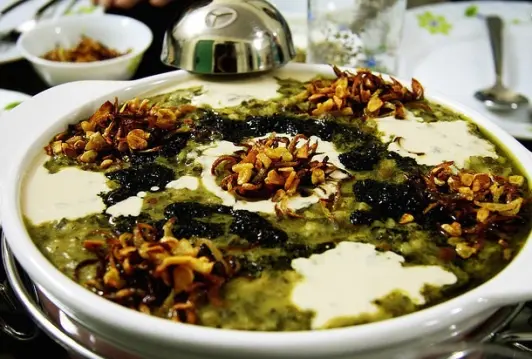
4) Sizdah Be-dar Foods
Various Iranian celebrations are accompanied by their own delicacies. Sizdah Be-dar, in addition to its customs, also has special and original foods. “Ash Reshte” is one of the most original and popular Iranian dishes, considered to be the mainstay of the 13th. Most Iranian families cook it on the fire or stove in nature on this day and have a festivity in nature.
Lettuce and peppermint; Cooking all kinds of kebabs on the brazier is also common in nature on this day. Besides, according to an old belief, people take their Nowruz remaining nuts, chocolates, sweets, and snacks for a picnic on Sizdah Be-dar and share them.
3) Sizdah Be-dar Messeges
Every year, tasteful beautiful texts to congratulate the new year and the 13th come a long way. The texts of Sizdeh Badr are accompanied by beautiful wishes for those around, and in many of them, interesting Iranian proverbs are used.

2) Thirteen Lie
It is interesting to know that on the 13th of Farvardin (Sizdah Be-dar), exactly coinciding with the 1st of April, the Iranians have a “13th lie” like April’s fool. I do not need to explain the principles of this game to you because you are probably well acquainted with it !!! (As you can clearly see in the picture!)

1) Real History Behind Unlucky 13!
In ancient legends, the misfortune of the 13th day is mentioned and the people of ancient Iran believed that by spending the 13th day of spring in nature, they will pass its misfortune;
It is said that due to bad weather, the first 13th day of the year has always been accompanied by storms and floods, and it seems that people considered this day unlucky and took refuge in nature, in mountains and high ground areas to save themselves. Then, this tradition has survived to this day.






