
XTRM PR - (6th June, 2021) - American Chemical Society - The following is accurate data and can be fact checked via links within the following article.
A recent study via researchers at The American Chemical Society (ACS) have produced some very interesting results in respect to Covid-19 Self-Testing Kits, and how they actually perform.
This study comes to light as many countries begin to get vaccinated and begin to reopen - and as yet - Covid-19 testing remains for many a key element of safe(r) social and business interactions.
Rapid testing for COVID-19 has become more common and accessible, this includes various over-the-counter (OTC) tests approved by the U.S. Food and Drug Administration (FDA).
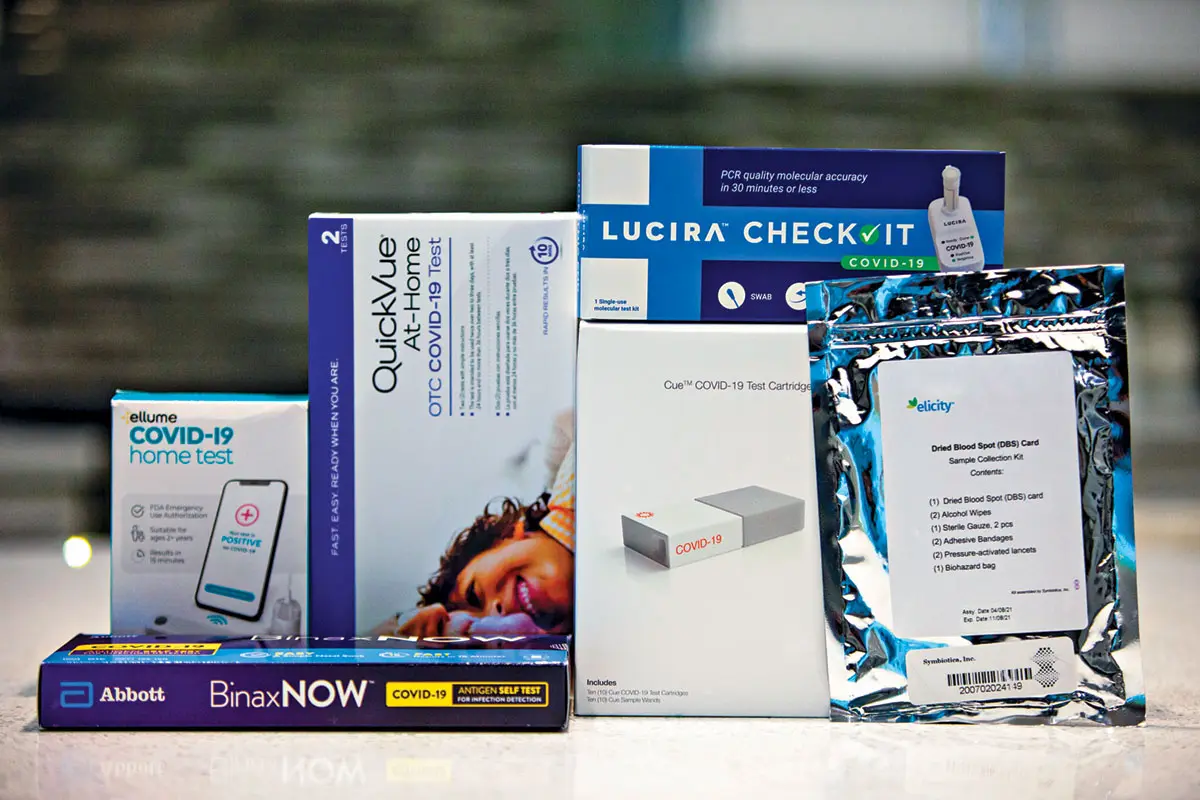
Above Image Credit: Kim Leeson
Chemical & Engineering News (C&EN), the weekly news magazine of the American Chemical Society, puts five of these at-home rapid tests into the line of fire to gauge the efficacy and ease of use in a recently highlighted cover story.
Albeit the world has seen decreasing infection rates, there are still varients such as the Delta Variant formerly known as the Indian Variant causing concern. To this the experts say that continued COVID-19 testing will be vital for ensuring safety at businesses, schools and events into the near future and present.
The at-home testing kits are convenient and supposedly easy to use, wrote the Senior Editor at the magazine, Megha Satyanarayana.
It is a checkable fact that ease of use for the average person is a requirement for FDA approval.
However, it does seem that some experts worry that the results of OTC tests do not actually get reported to public health agencies, and that those people that do test positive at home might be less compliant with quarantine recommendations for many different reasons.
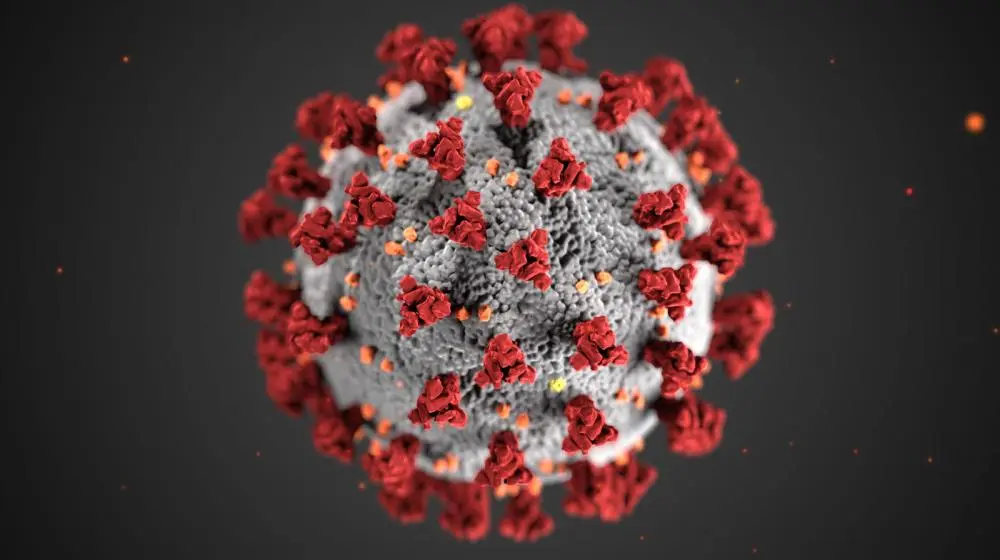
The current at-home test kits come in two varieties:
1. Antigen
2. Molecular
The Antigen testing kits detect pieces of viral proteins in cells, these kits have a reputation for being less sensitive and accurate.
However, the Molecular tests look for a virus's genetic instructions, or RNA, which is a little more readily detected in a given sample.
Of the five tests C&EN have tried and tested out, each kit had a different way of swabbing and and also reading the associated results, including any specialized devices and smartphone apps.
What the researchers actually found is that all five tests were relatively easy to use with instructions, and they did provide accurate results compared to associated lab testing results. In addition to questions about the accuracy of Self-Testing kits for home use, the pricing of and access to these tests are of a concern.
In order to help offset this, some communities have created programs to distribute at-home Covid-19 testing kits, which, it is hoped that this could help build trust in testing, and help 'Stop the Spread'.
The recent article named "Over-the-counter COVID-19 tests make big promises. Do they deliver?," is freely available to read here.






