
stablecoins are already a big part of crypto. people use them to trade, move money between platforms, and keep funds in dollar-pegged assets without leaving the crypto ecosystem.
but something important is happening in the united states that could change how this market develops.
on october 21, 2026, the office of the comptroller of the currency (occ) finalized rules for implementing the genius act, a us law designed to establish a regulatory framework for payment stablecoins.
the rules are scheduled to take effect on january 18, 2027. some important details, including anti-money laundering and sanctions requirements, are still being handled separately.
so what does this actually mean for crypto, and why should investors care?
let's break it down.
1st) what is the genius act?
the genius act creates a federal regulatory framework for payment stablecoins in the united states.
think about how stablecoins work today. a token such as usdc or usdt is designed to maintain a value close to one us dollar. people use these tokens because they want to move around the crypto market without constantly converting back into traditional currency.
however, a stablecoin is only as useful as the confidence people have in its backing, redemption process, and issuer.
this is where regulation comes in.
the occ's finalized rules cover areas such as reserve assets, redemption requirements, risk management, reporting, supervision, and certain custody activities.
basically, regulators are setting out requirements for the institutions that fall under their authority and want to issue payment stablecoins.
in my view, this is an important step because stablecoins are no longer just something crypto traders use. they are becoming part of a much bigger conversation about payments and financial infrastructure.
2nd) why are banks entering the stablecoin market?
this is the part i find particularly interesting.
banks already have customers, financial infrastructure, compliance teams, and experience handling large amounts of money. a clearer regulatory framework could give eligible banks a more defined path to participate in the payment stablecoin market.
imagine being able to move dollars through blockchain-based systems while the issuer operates under a specific regulatory framework.
that could be useful for businesses handling payments, companies managing their cash, and financial institutions looking for faster ways to settle transactions.
of course, regulation alone does not guarantee that these products will be cheaper, faster, or more popular. those benefits would depend on how the products are designed and used.
my take: the competition in stablecoins could eventually become about more than which token has the most users. trust, redemption, availability, integration with payment systems, and regulatory compliance could all become increasingly important.
3rd) will usdc and usdt lose their dominance?
not necessarily.
i think it is too early to assume that existing stablecoin issuers will suddenly lose their positions just because the regulatory framework is becoming clearer.
usdc and usdt already have established users, exchange integrations, and liquidity across different parts of the crypto ecosystem.
a new bank-issued stablecoin would still need to convince people to use it. it would need useful integrations, reliable redemption arrangements, sufficient liquidity, and a reason for customers to choose it over existing options.
that will not happen automatically.
on the other hand, if major banks or payment companies launch products that people find useful, competition could increase.
existing issuers may also adapt to the new requirements and continue competing for users.
so rather than predicting that one stablecoin will replace another, i would watch how the market responds once institutions start moving from plans to actual products. 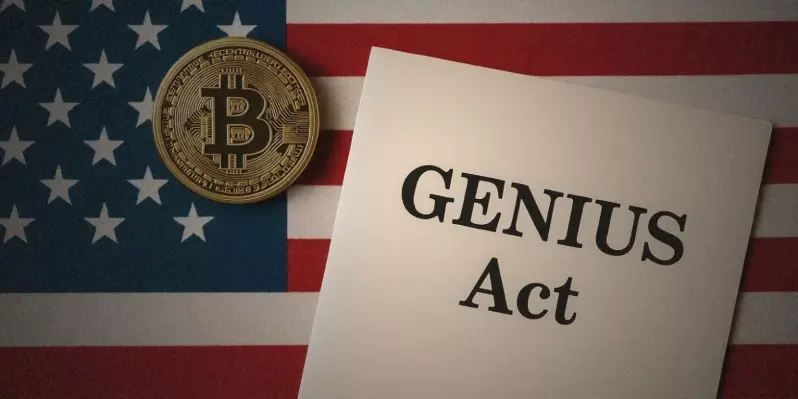
4th) what could this mean for the wider crypto market?
stablecoins are important because they connect traditional money with blockchain-based financial activity.
traders use them to buy and sell crypto. decentralized finance platforms use them for lending and liquidity. businesses can also use digital dollars for certain payment and settlement activities.
if regulated stablecoins become more widely available, they could make it easier for some traditional businesses and financial institutions to explore blockchain-based services.
that could create opportunities for exchanges, payment providers, and blockchain networks that support stablecoin activity.
however, there is an important distinction here.
more stablecoin adoption does not automatically mean every cryptocurrency will increase in price.
a stablecoin can be useful without creating additional demand for every token in the ecosystem. the impact on a particular blockchain or cryptocurrency would depend on where the activity takes place and whether that activity creates meaningful demand for its services.
i would be careful about treating this news as an automatic bullish signal for the entire crypto market.
5th) what should we watch next?
the rules are finalized, but the process is not completely finished.
the occ has said that anti-money laundering and sanctions-related requirements will be addressed through separate rulemaking in coordination with the treasury department.
the agency has also said it will announce separately when it begins accepting applications and waiver requests from prospective issuers.
the framework is scheduled to take effect on january 18, 2027, but the actual market impact will depend on how institutions respond and how implementation proceeds.
here are the three things i would keep an eye on:
1st bank participation: which banks and payment companies decide to enter the market?
2nd existing issuers: how do usdc, usdt, and other stablecoin providers respond to the changing requirements?
3rd real adoption: do businesses and users actually start using these products, or does adoption remain limited?
these developments should tell us more than headlines alone.
my final thoughts
personally, i think the interesting part of this news is the possibility that stablecoins could become a more established part of the financial system.
the crypto industry has spent years building its own payment tools and digital dollar infrastructure. now, traditional financial institutions have a clearer regulatory framework for participating in parts of this market.
that could bring more competition, new products, and different ways to move money onchain.
but i would not jump to the conclusion that banks will replace existing stablecoin issuers or that this development will immediately push crypto prices higher.
the rules are one part of the story. what companies build, whether customers use those products, and how the market adapts will matter just as much.
for now, i think this is a development worth following, especially if you are interested in stablecoins and the connection between traditional finance and crypto.






