As the leaves turn to shades of amber and the nights grow long, a chill in the air whispers of ancient times when the veil between worlds was at its thinnest. This is the season of Samhain (pronounced sah-win), the origin from which Halloween has sprouted, twisted, and grown through the ages.
The Haunting Beginnings in the Celtic Lands
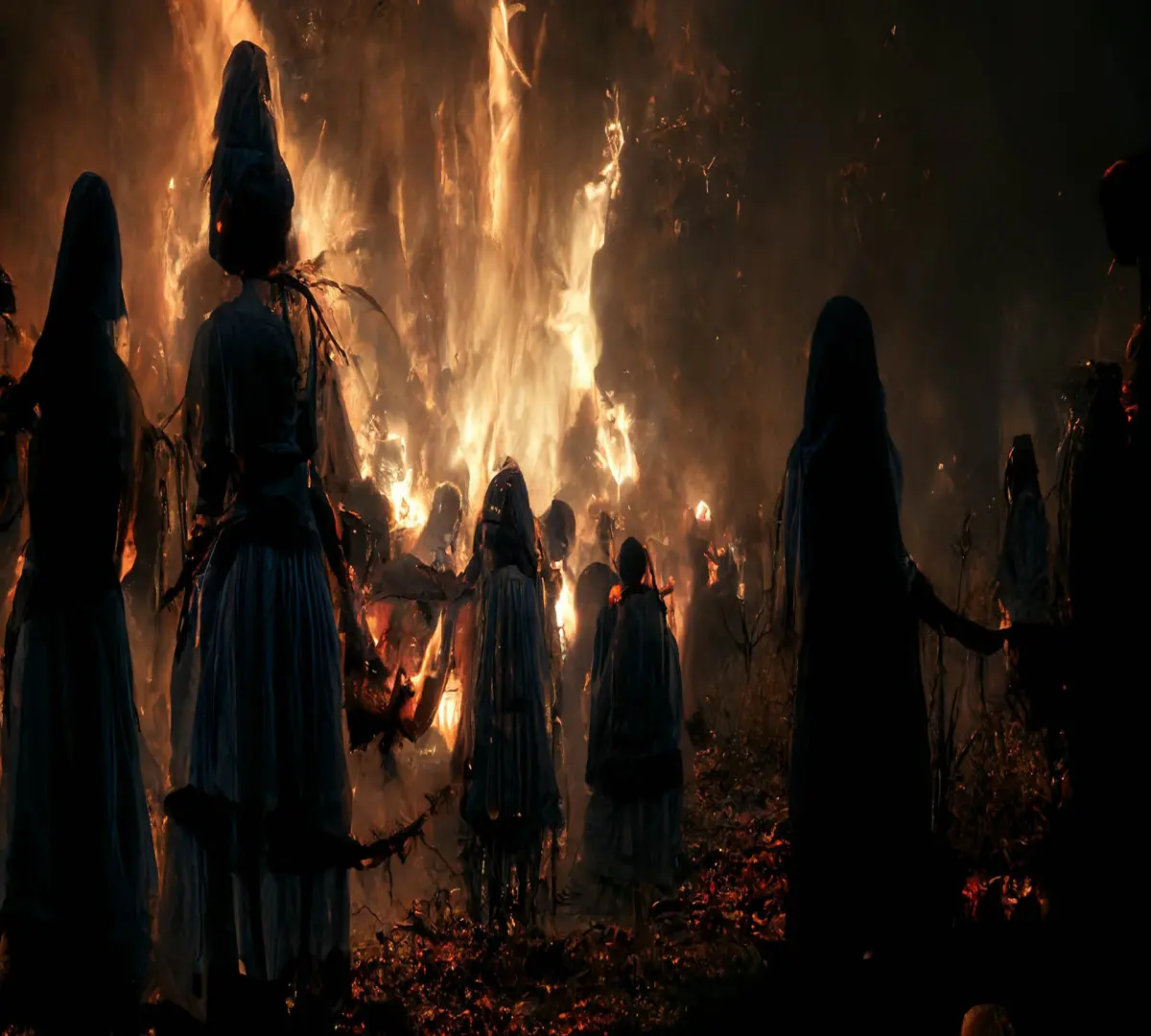
Long before pumpkins were carved into grinning faces, the Celts, who lived over 2,000 years ago in what is now Ireland, the UK, and northern France, celebrated Samhain. This festival marked the end of the harvest season and the beginning of winter, the darker half of the year. For the Celts, Samhain was more than just a seasonal change; it was a time when the boundary between this world and the otherworld could be crossed by spirits and faeries.
Villagers would light bonfires, not just for warmth but to ward off malevolent spirits. They wore costumes, typically consisting of animal heads and skins, trying to confuse or scare away the ghosts. Offerings of food were left out to appease the wandering spirits, a practice that might remind you of leaving treats by the doorstep today.
The Chilling Transformation by Rome
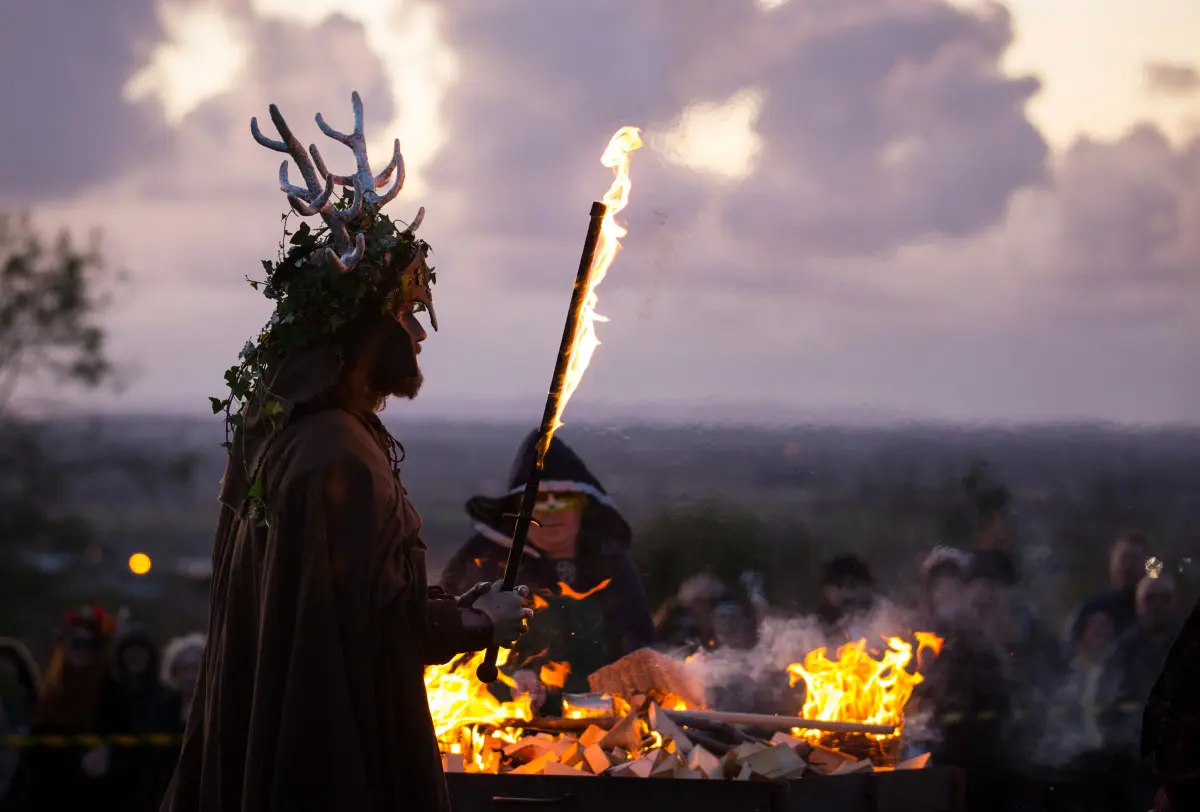
When the Romans conquered the Celtic lands, they brought their own festivals, Feralia, a day to commemorate the passing of the dead, and Pomona, the goddess of fruit and trees, whose symbol, the apple, might be why bobbing for apples became a Halloween staple. These Roman traditions melded with Samhain, creating a richer tapestry of customs.
Echoes from Ancient Greece?
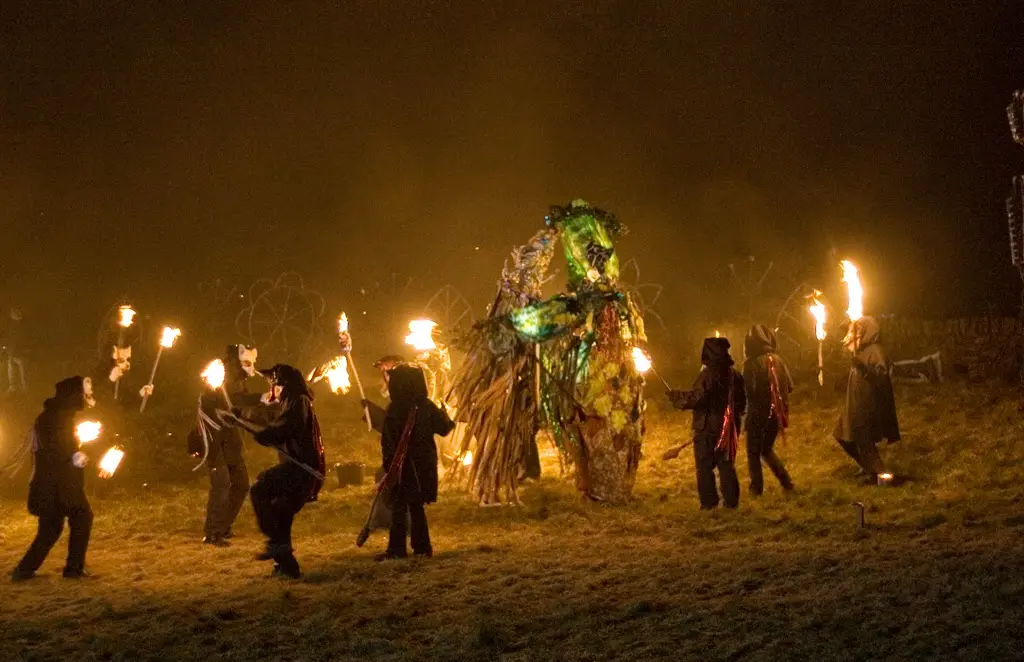
While Halloween's most direct roots lie with the Celts and Romans, one might find eerie echoes in ancient Greece, particularly in the festival of Anthesteria, one of the four Athenian festivals in honor of Dionysus, the god of wine, festivity, and theater. During Anthesteria, the Greeks believed that spirits of the dead would roam the earth. The festival included wine drinking, competitions, and the opening of the pithoi (large jars) where spirits were thought to escape from. While not directly linked to Halloween, this festival shares the theme of the dead mingling with the living, a concept familiar to our modern spookfest.
Christianity's Cloak
As Christianity spread, it sought to replace pagan rituals with its own. In the 8th century, Pope Gregory III designated November 1 as All Saints' Day, or All Hallows Day, making October 31st All Hallows Eve, eventually morphing into Halloween. This was an attempt to Christianize the pagan celebration, but the old ways lingered in the shadows, refusing to be entirely forgotten.
Modern Halloween: A Dance with the Dead
Today, Halloween has evolved into a community-centered holiday with trick-or-treating, haunted houses, and costume parties. Yet, beneath the commercial surface, it retains its ancient core: a night where we playfully acknowledge our fear of the unknown, the dark, and what lies beyond life.
So, as you carve your jack-o'-lanterns and don your ghostly garb, remember you're participating in a tradition that spans cultures and centuries. You're not just wearing a costume; you're cloaking yourself in the ancient rites of Samhain, whispering back to the spirits that once walked freely among us, under the same moon that guided the Celts, Romans, and perhaps, in a distant way, even the Greeks in their own dances with the dead. This Halloween, when the wind howls like a lost soul, know that you're part of a story as old as time, where the living and the dead share one eerie, enchanted night.
——————————————————-
Thank you for reading!
CryptoGemGR on X: @7SinsIsland
Support the journey of CryptoGemGR—Weird&Mystery -donate today to keep our fears online:
XLM
GCFCOAVF4GJGOPOOGH742WSHUMGUIIYKZJ4XZGHKLMSZUVZG6RVLIPYZ
ETH/BNB etc
0x52dC7d6d2E24AaD347015D889fEce12f41d6786C
BTC segwit
bc1q239yl5lpx2hg6m3q0tv24295fw75wk9qdvswcu
SOL
EQAtS5EhemmV3XqhgUWAn6YtnTCqmiTHi5Rus2x5SuYv
DOGEcoin
DD8EUMQmRTrqSxrwcskVdLWTkRoQfbCqvB
You can also check out my referral codes for various crypto platforms to help me out. Every referral code you need: Read about this here