Altered states of consciousness (ASCs) are fascinating experiences where a person's mental state significantly shifts from their normal waking awareness. First coined by parapsychologist Charles T. Tart, these states can make us perceive colors, sounds, tastes, and smells in intense and unusual ways. But the journey into an ASC is more than just heightened senses; it’s a dive into a realm where the boundaries of reality blur.
The Nature of ASCs
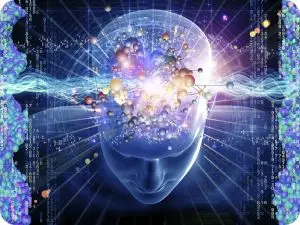
An ASC often reduces our self-awareness, making us feel detached from our bodies. This detachment can lead to extraordinary experiences, such as astral projection, where it feels like our consciousness travels to other places or realms. Near-death experiences and mystical encounters are other profound examples of ASCs. People report seeing bright lights, otherworldly beings, and feeling a sense of timelessness.
The Levels of Consciousness
ASCs occur at different brain-wave activities, each representing a unique state of mind:
- Beta (14-27 cycles per second): The state of full, waking consciousness where we are highly aware of our physical surroundings.
- Alpha (8-13 cycles per second): A relaxed state where the subconscious is more accessible, often experienced during light hypnosis, meditation, or just before and after sleep.
- Theta (4-8 cycles per second): A deeper, dream-like state akin to light sleep or deep meditation.
- Delta (0-4 cycles per second): The state of deep sleep, where the brain is least active.
Types of ASCs
There are numerous ASCs, each offering a unique experience:
1. Dreaming: During REM sleep, where the brain is highly active.
2. Hypnagogic and Hypnapompic States: The transitions between wakefulness and sleep.
3. Hyperalert States: Induced by intense focus or drugs, leading to heightened awareness.
4. Rapture and Hysteria: Overpowering emotions, whether positive or negative.
5. Meditative and Trance States: Deep relaxation and altered awareness.
6. Daydreaming and Reverie: Light, imaginative drifting.
7. Shamanic Consciousness: Accessing spiritual realms, often in a lucid state.
Inducing ASCs
ASCs can occur spontaneously or be intentionally induced through various methods. Practices like meditation, intense prayer, and yoga are known to trigger ASCs. Other methods include sensory deprivation, sensory overload, sleep deprivation, and even extreme physical or psychological experiences. Some people achieve ASCs through more dramatic means like fasting, dancing, chanting, or using psychedelic substances.
ASCs and the Paranormal
The eerie nature of ASCs often connects them to paranormal phenomena. For example, alien abduction experiences share similarities with ASC characteristics such as bright lights and distorted time perception. In laboratory settings, techniques like relaxation, sensory deprivation, and meditation have been used to enhance extrasensory perception (ESP) and psychokinesis (PK), suggesting that ASCs might unlock hidden mental potentials.

The Scientific Challenge
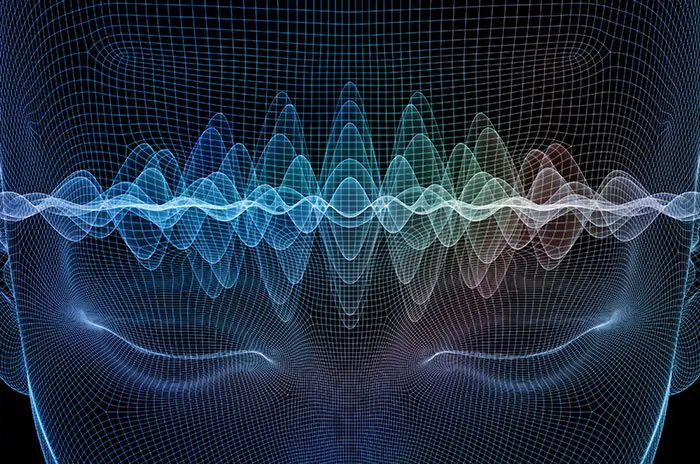
Studying ASCs scientifically is challenging. Medical tools like electroencephalography (EEG) and magnetic resonance imaging (MRI) can measure brain activity levels but cannot capture the subjective experiences of ASCs. This subjectivity makes it hard for researchers to pin down the exact nature and causes of these states. Traditional science often dismisses ASCs as epiphenomena—experiences without physical evidence.
However, the mid-1970s saw Charles T. Tart introduce the concepts of "discrete states of consciousness" and "altered states of consciousness," helping to categorize and recognize these experiences. Research into dreams, meditation, biofeedback, and intoxicated states has shed some light on the benefits of ASCs, especially their therapeutic potential in transpersonal psychology.
Do you love my articles? You can Support me with many ways:
Like and tip
signup to MEXC to buy low cap Crypto using my referral code : 1NuBb
Join Sl8 the crypto social platform built on the top of Stellar XLM blockchain and earn from your posts. Click on image.