
How Does the BAT Work?
The BAT token can be used as payment for content or services provided by Brave. The tokens are generated when users visit websites that support the Brave Browser. Users can also earn BAT by sharing links with their friends, using the Brave Messenger app, or other ways. In exchange for this service, they receive BAT which they can then spend on content from Brave Browser.
The primary incentive to publishers is the cost savings they receive. Serving ads on the Brave browser decreases the cost per impression (CPM) by 90%, compared to serving ads on Chrome. This is because the Brave browser blocks all ads by default. This also creates a disincentive for publishers to rely on other advertising channels, as the cost savings are too great to ignore.
The basic attention token will probably rise in value as the marketplace for it develops, so publishers should take notice. Who Are Some Potential Partners? The list of publishers already working with the Brave team is impressive. Here is a small sample: The New York Times, BBC News, The Washington Post, BuzzFeed, LinkedIn, Channel 4, Coinbase, and many more.
What Is the Future of Advertising? Despite the low barrier to entry and adoption of the Brave browser, there are still concerns about the future of monetizing content.
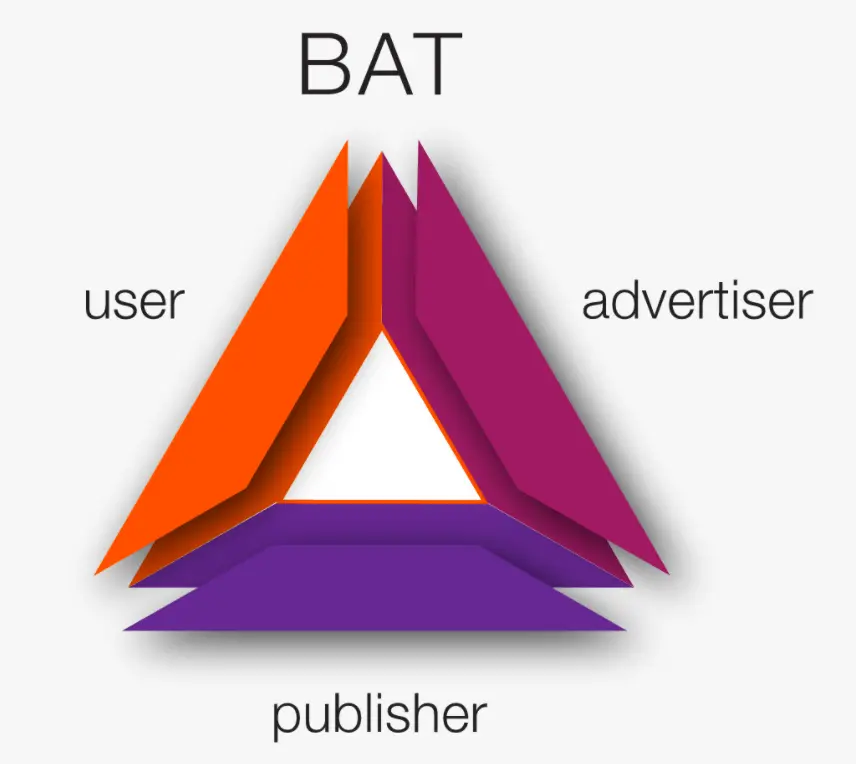
For publishers, advertising is a necessary evil in today's digital landscape. It's how most websites make enough money to keep running. Between YouTube's ContentID nightmare and the demonetization of large swathes of the internet, advertising is the only way for many niche communities to stay alive. On the other side of the coin are those who see the Brave browser as a threat to the current ad model.
Brave blocks ads by design, and it only accepts BAT as a form of payment. The browser is also non-disruptive, as it doesn't send one to another website. It's very rare to see an advertisement on the website of Brave, and when it does appear, the user is notified of the ad and given the option to opt-out. The combination of a non-disturbing advertising model and the implementation of blockchain technology could do much to shift the status quo.
Either way, advertising will most likely be around for a long time to come. What Is Your Personal Opinion of BAT?
No matter who wins, and what wins, it is obvious that the internet is not going away anytime soon. While the BAT model could increase user privacy, it's unlikely to replace advertising revenue, which is already in jeopardy. A hybrid model could be more successful in the long term, and a mix of non-disturbing ads and non-disturbing marketing could be the best way to survive the upcoming storm.
In any case, the whole idea of blockchain technology is to create a trustless system that's fair to all parties involved. Fairness and honesty are the most important traits for me to look for in my investment, and these are traits that can't be measured by a ledger. Once adoption ramps up, we'll know more about the long term success of the Brave browser and the entire industry as a whole.
What are your thoughts on all of this? Are you an early adopter, or are you still looking for a better way? Let us know in the comments below!






