
Imagine a future where space travel is not only accessible but also secure, efficient, and transparent. This vision may not be too far-fetched with the integration of blockchain technology. Blockchain, the revolutionary decentralized ledger system, has already disrupted various industries, and its potential in space travel is truly exciting. In this article, we delve into the possible applications of blockchain in the realm of space exploration, highlighting how this transformative technology can shape the future of humanity's adventures beyond Earth.
One of the most promising areas where blockchain can make a significant impact in space travel is satellite communication. Currently, satellite networks are vulnerable to cyber threats and central points of failure. By implementing blockchain technology, the communication between satellites can be secured through cryptography, ensuring data integrity and privacy. Furthermore, the decentralized nature of blockchain can prevent single points of failure, making satellite networks more resilient and reliable, thus enabling continuous communication and navigation throughout space missions.
Another area where blockchain holds immense potential is in the management and tracking of space assets. With the increasing commercialization of space, the number of satellites, space probes, and other assets is growing rapidly. Blockchain can provide a transparent and immutable record of ownership, transfers, and maintenance history of these assets. Smart contracts, self-executing agreements powered by blockchain, can automate various processes such as lease agreements, resource sharing, and even space debris mitigation. This level of automation and transparency can streamline operations, reduce administrative overhead, and foster collaboration among different space agencies and private companies.
Blockchain can also play a vital role in ensuring the integrity and security of scientific data collected during space missions. By storing data on a distributed ledger, scientists and researchers can be assured of its authenticity and immutability. Moreover, blockchain can enable secure and efficient sharing of data between different research institutions and agencies, eliminating the need for intermediaries and reducing costs. This collaboration and data sharing could accelerate scientific discoveries and advancements in space exploration, paving the way for new breakthroughs and innovations.
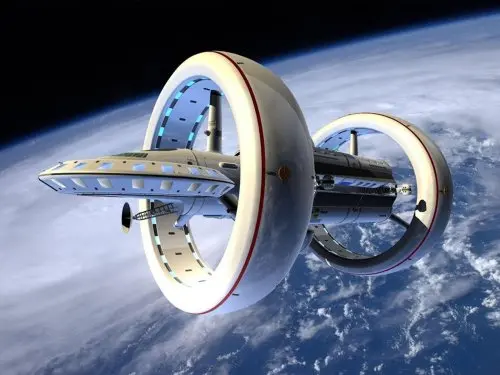
Space tourism is another area that could benefit from blockchain technology. With the rise of commercial space travel, blockchain can offer a secure and transparent platform for booking, payment, and identity verification. Smart contracts can automate the entire process, from ticketing to the verification of medical records and passenger information, ensuring a seamless and trustworthy experience for space tourists. Additionally, blockchain-based systems can enable fractional ownership and investment in space tourism ventures, allowing a wider range of individuals to participate in the burgeoning industry.
Blockchain has the potential to revolutionize the financing of space missions. Traditionally, space exploration has been funded by governments or large corporations. However, blockchain-based crowdfunding platforms can democratize access to space by allowing individuals to contribute to space projects directly. Tokenization of assets and the use of cryptocurrencies can enable fractional ownership of space missions, making it more inclusive and accessible to a broader range of people. This decentralized approach to funding could open up new avenues for innovation, encouraging entrepreneurial initiatives and expanding the possibilities of space exploration.
Overall, blockchain technology has the ability to transform various aspects of space travel. From securing satellite communication to revolutionizing space tourism and funding missions, blockchain offers unprecedented transparency, efficiency, and security. While the integration of blockchain in space travel is still in its early stages, the possibilities it presents are undeniably exciting. As the technology continues to evolve and mature, we can expect a new era of space exploration, one that is characterized by collaboration, accessibility, and boundless opportunities.






