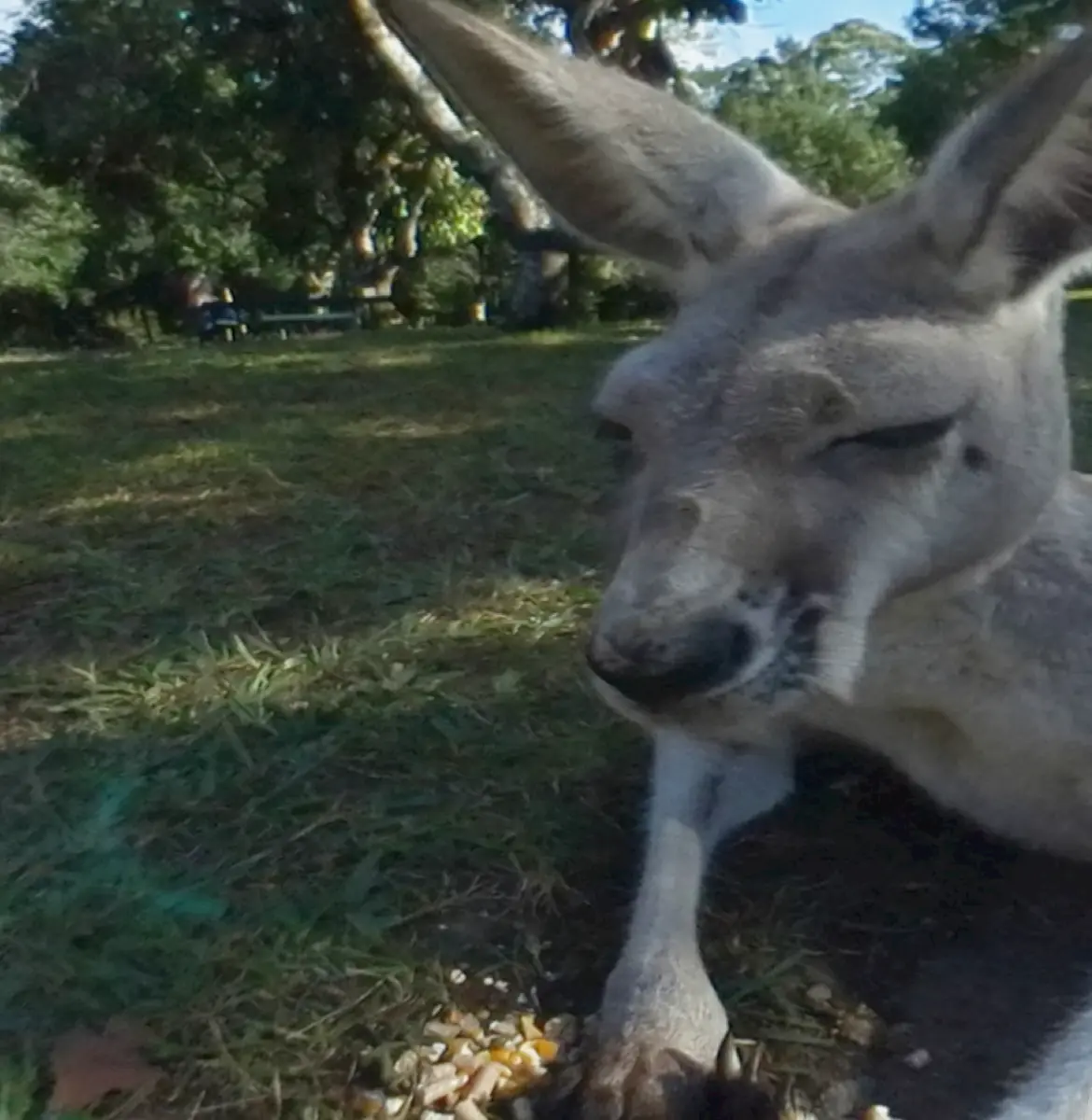
1. Australia’s Role in Oceania
Australia is a leading nation in the Oceania region, acting as the political and economic hub. It has a high population density and exerts significant influence, even holding territories in nearby island regions. The largest city is Sydney, with other major cities including Melbourne, Brisbane, Perth, and Adelaide. Known as "Aussie" in Japan, Australia has the largest landmass in Oceania and ranks 6th in the world by area. Although the country faces challenging environments like deserts and scarce fertile land, it features diverse landscapes, including tropical rainforests in the northeast and mountain ranges in the southeast.

2. Evolving Australian Cuisine
Australian cuisine is rooted in British culinary traditions but has rapidly developed by incorporating elements from its multicultural population. Common dishes include fish and chips and meat-based meals, with roasting and grilling (steaks) being popular. Aussie beef, known for its affordability, is a major export and a national symbol. Popular dishes include meat pies like Australian meat pies and shepherd’s pies. Barbecues are a common weekend or holiday activity, with public BBQ facilities often available in parks. Dairy products such as milk, butter, and cheese are also widely consumed.

3. Coffee and Tea Culture
Historically influenced by British tea culture, Australia experienced a shift toward coffee after World War II, thanks to Italian immigrants introducing espresso. Today, Australia is known for its thriving coffee culture and renowned baristas.
4. Confectionery and Traditional Foods
In addition to British-inspired desserts like sorbet and Christmas pudding, Australia has created its own sweets, such as lamingtons, White Christmas, and frog cakes. Traditional Aboriginal dishes, including kangaroo meat, known as bush tucker, are also part of the country’s culinary heritage.