As cryptocurrency continues to take over the world, tax authorities aren’t staying idle. But not all countries are taking a hardline approach. Some jurisdictions, on the contrary, are going against the trend and completely exempting crypto from taxes.
If in 2025 you're wondering where you can trade crypto tax-free — such countries already exist. And they’ve long become a magnet for traders, Bitcoin hodlers, and entrepreneurs from the digital asset world.
Want a tax-free future? Building a DeFi portfolio, considering relocation, or simply dreaming of not sharing your crypto income? Then it's worth knowing which countries truly offer such opportunities.
From the Caribbean to the Middle East and even a few unexpected spots in Europe — these places break the usual rules and redraw the world’s tax map.
This article covers the 5 best countries in 2025 where crypto taxes remain at zero. Let’s see where you can lock in profits and stay off the tax radar.
Cayman Islands: Crypto With No Taxes and With a License
If you're looking for a true tax oasis for digital assets, the Cayman Islands are almost always at the top. No income tax, no corporate tax, no capital gains tax — and that includes crypto. Want to trade Bitcoin, hold it long-term, or invest in DeFi? Everything you earn stays with you.
The updated Virtual Asset Service Providers Act will come fully into effect in April 2025. It provides a transparent licensing system for exchanges, custodians, and other platforms, in compliance with global standards.
Add to that a stable economy (the local dollar is pegged to the US dollar), a legal system based on English common law, and a comfortable environment — and it's easy to see why the Caymans consistently rank among the most reliable tax-free zones for crypto investors.
For many, this is the direct answer to the question: where is crypto not taxed in 2025?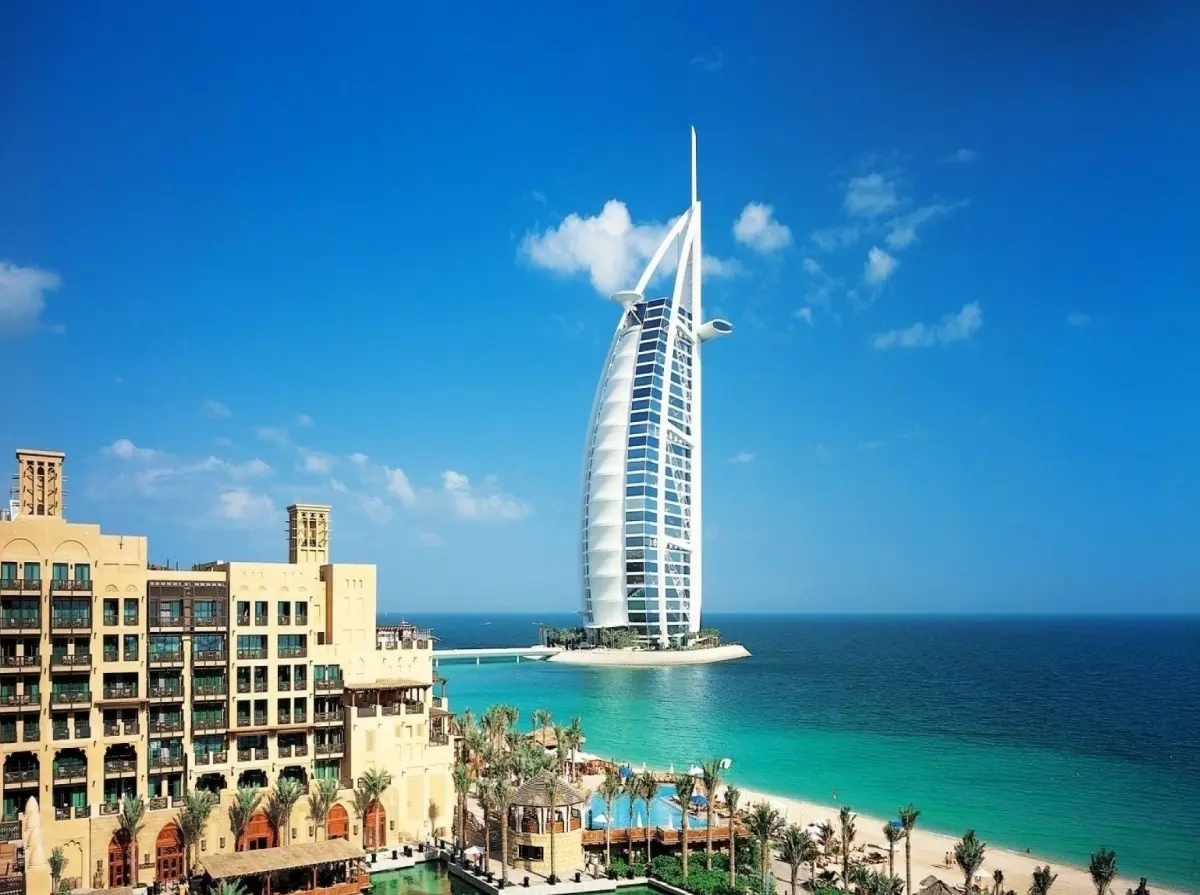
UAE: A Tax-Free Territory for Crypto
The United Arab Emirates is one of the most crypto-friendly countries in 2025. Across all seven emirates, including Dubai and Abu Dhabi, there are no taxes on crypto trading, staking, mining, or selling. No income tax, no capital gains tax — it’s a full-fledged tax haven for digital assets.
But the UAE’s strength isn’t just in its tax policy. It has dedicated regulators for the crypto market: the Virtual Asset Regulatory Authority in Dubai, the DFSA in the DIFC financial center, and the FSRA in Abu Dhabi Global Market. These provide clear rules of the game for both startups and venture funds, as well as major infrastructure projects. Want to launch NFTs or build an L1 chain? The licensing process is transparent and straightforward.
Visa programs, advanced infrastructure, and offshore incentives for crypto companies — all of this makes the UAE a comfortable country for those who want to live and work with crypto tax-free.
El Salvador: A Crypto Tax Haven
When El Salvador recognized Bitcoin as legal tender in 2021, it was like a bolt from the blue. Four years later, the country remains one of the most radical tax shelters for crypto.
Thanks to its digital asset law, there are no taxes on profits or capital gains from Bitcoin transactions. It doesn’t matter whether you’re trading, holding, or spending through wallets like Chivo — this is one of the few countries where in 2025, the promise of “tax-free crypto” still holds true, especially for long-term investors.
In addition, El Salvador is building Bitcoin City — a city with no income, property, or corporate taxes. It’s envisioned as a tax-free zone for miners and crypto startups.
If you’re looking for a place to live tax-free and be part of a future that’s already arrived — El Salvador is exactly that.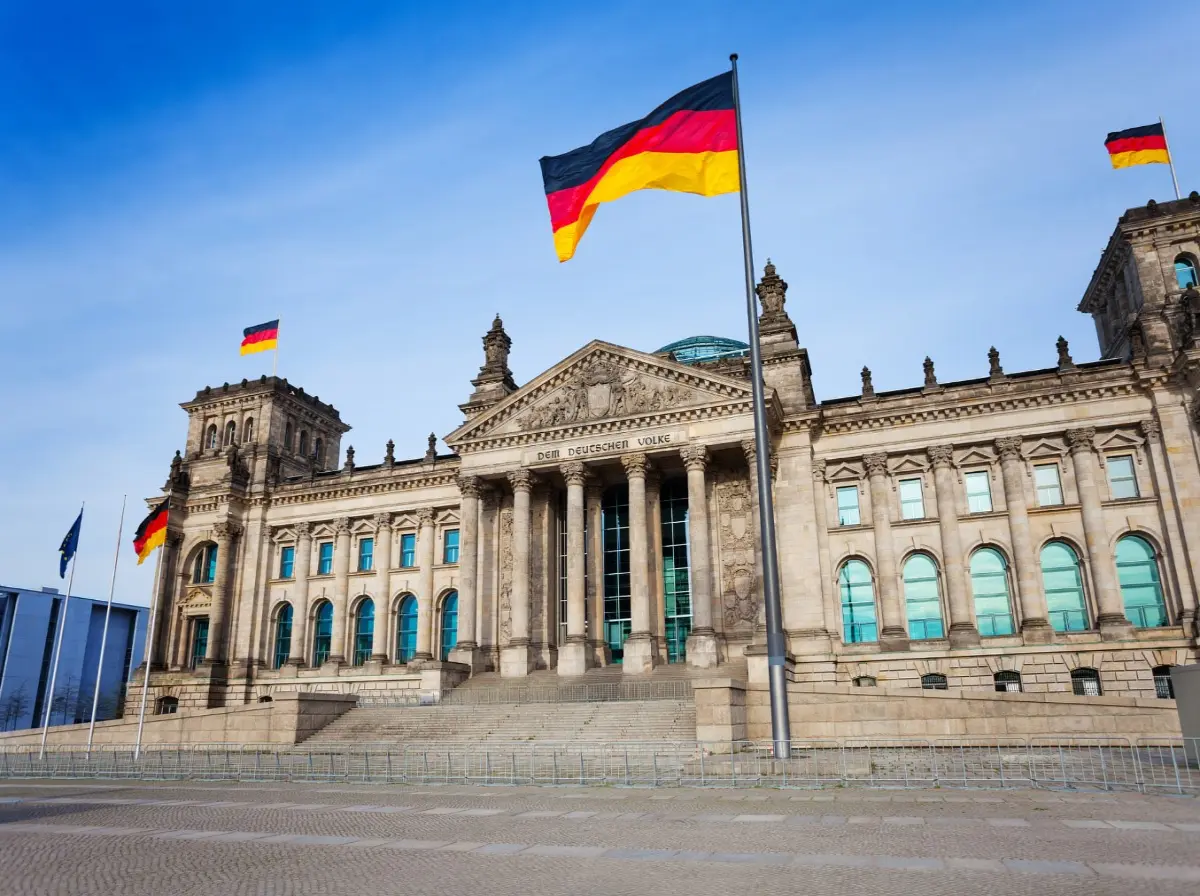
Germany: Zero Tax Rate for the Patient
Germany isn’t the first country that comes to mind when thinking about crypto. It’s a place for those who hold digital assets for the long term.
The rule is simple: if you’ve held Bitcoin or another digital asset for more than 12 months, you can sell, exchange, or even spend it in everyday life — completely tax-free.
Yes, Germany treats such crypto as personal property rather than a speculative asset. It’s a rare example where simply “hodling” leads to tax exemption.
Even for short-term transactions, there’s a benefit: if your annual crypto profit doesn’t exceed €1,000, you don’t have to pay anything. Any amount above that is taxed — but only if the asset is sold within the one-year period.
For a high-tax country, this is quite a generous setup — especially for those living in the EU and looking for a legal way to reduce their tax burden. If you have patience, Germany could be a great place for crypto investments in 2025.
Portugal: Zero Taxes on Long-Term Holds
Portugal remains on the list of countries with zero crypto taxes. If you hold digital assets for more than 365 days, no capital gains tax is charged at all. This makes the country one of the most favorable in Europe for long-term investors.
Those who managed to join the NHR program before it closed on March 31, 2025, are especially fortunate. For them, almost all foreign income, including crypto, is tax-exempt. Domestic income is taxed at a fixed rate of 20%.
However, full tax exemption is now a thing of the past. Short-term profits (less than a year) are now taxed at 28%, as is income from staking or any crypto-related activity resembling a business. Nevertheless, if you work long-term or are retired and want to reduce your tax burden, Portugal remains one of the most attractive options in the EU.
It’s no surprise that the country continues to be chosen by crypto supporters relocating in search of tax peace.
Where in the World Is Crypto Still Tax-Free?
So, where in 2025 can you live with crypto and pay no taxes? The Cayman Islands, UAE, El Salvador, Germany, and Portugal stand out. Each has its own model: from zero crypto tax rates in the Caymans, UAE, and El Salvador to tax exemption on long-term holds in Germany and Portugal.
But it’s important to understand that such benefits don’t come for free. Almost everywhere there are residency requirements, paperwork, and compliance with local regulations. And laws can change. The situation with El Salvador’s negotiations with the IMF clearly shows this. A tax haven today can become an ordinary jurisdiction tomorrow.
If you’re seriously considering relocating for tax advantages, approach it wisely. Consult local lawyers, keep up with updates, and don’t bet on just one destination. The world is tightening its stance on crypto, and such countries are becoming real exceptions. At least for now.