
Internet is down, there is no cell service, no television reception, and you feel unsafe. You put off grocery shopping and your cupboards are close to empty. You tried to listen to the radio, but only get static with the exception of a far away station that sounds like it is coming from outer space. Now you wish you had a shortwave radio. You weren’t prepared. You get in your car and head two hours up the road to a friends house.
No one expects to wake up to no electricity and not everyone has a wood stove or fireplace. A disaster is an event that causes damage and/or inconvenience that a person simply is not prepared for. Being prepared may not always prevent a disaster, but the degree of the disaster can be lessened by simply being prepared.
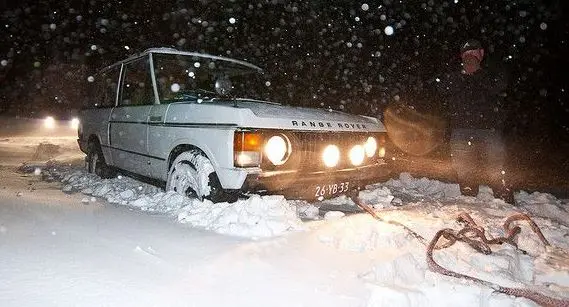
Consider the person who is stuck on the side of a deserted road in a freezing snow storm. They have no blankets, no fuel, no defense, no way to make contact with anyone because they do not have a phone charger, or the car battery is dead, or they are in an area with no cell service. It is 10:00pm and they are sitting in the dark; they are cold, scared, and isolated. They are not prepared. Daylight will not come around until 7pm. That will be nine hours of misery- if they survive.
So, what can a person do to prepare for the unexpected? According to FEMA, you should always have in your home or car:
- Water (one gallon per person per day for at least three days, for drinking and sanitation)
- Food (at least a three-day supply of non-perishable food)
- Battery-powered or hand crank radio and a NOAA Weather Radio with tone alert
- High powered flashlight preferably with a strobe option. Or, two high powered light sources, at least one with a powerful strobe option.
- First aid kit
- Extra batteries
- Whistle (to signal for help)
- Dust mask (to help filter contaminated air)
- Plastic sheeting and duct tape (to shelter in place)
- Moist towelettes, garbage bags and plastic ties (for personal sanitation)
- Manual can opener (for food)
- Local maps
- Cell phone with chargers and a backup battery
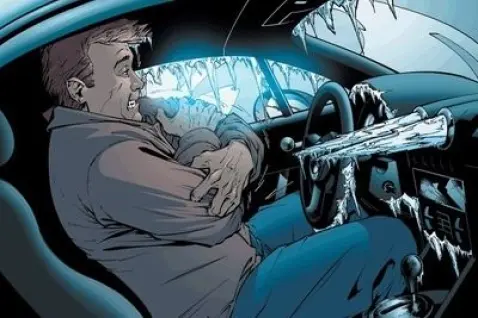
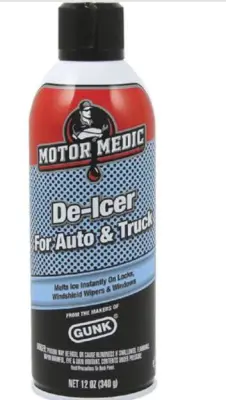
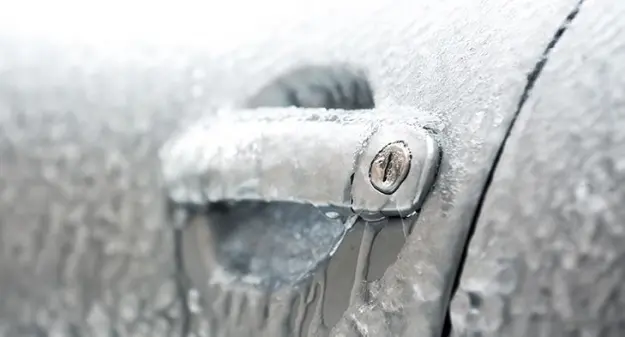
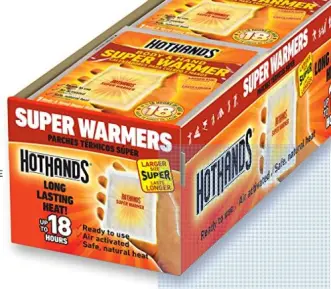
In case of being stuck in a cold car, I would like to also include enough hand and feet warmers for at least 24-48 hours, a wool emergency blanket, flares, a change of socks, and something to relieve yourself in. The last thing you want to do when you are stuck in freezing weather and trying to keep the cab of your vehicle warm is to open the door. You may need to open the door at least once to retrieve your emergency supplies from the trunk- but that should be the ONLY time you need to open your car door. Keeping all your supplies in ONE BAG or BACKPACK allows to you “grab and run” back to the safety of your car. Or better yet, keep the bag in the back seat or hatchback. In addition, some cars have fold down back seats to gain entry in to the trunk. Just remember, not opening the door is the best way to preserve heat. Imagine being outside your car to get your supplies only to come back to the car and find your doors are frozen shut! To reduce your chances of this happening, keep a de-icer or WD-40 in your coat pocket, trunk, or cab. If you keep it in your coat pocket, you will always have it handy.
You will want an air exchange to replenish oxygen within the cab of your vehicle or bug out tent. The cab of a car is quite small and air tight, and depending on the amount of people inside, the levels of carbon dioxide in a closed cab can rise quickly. You MUST consider this when trying to stay warm. Asphyxiation is absolutely possible with an extended stay inside an enclosed vehicle. You will need to keep a window cracked open. Yes, cold air will get inside, but with it is life saving oxygen.
Your heat and light sources are important. I highly recommended a high powered flashlight, preferably with a strobe option or at least one source of each. The point is, you want to be able to see clearly in the dark, you want a high grade, RELIABLE source of light, and YOU WANT TO BE SEEN!!! This is one of the flashlights I have. Your heat source must also be reliable. It could mean the difference between being rescued with all your fingers and toes, or not. Or even found alive. If there is still life in your battery, you can purchase a small car heater or seat heater that plugs in to the AC outlet. There are some very good car heaters on the market and some are safer than others. There are several that operate from a 1 pound propane canister if you have a dead battery. These require you to leave a window cracked open for oxygen as they will not run if the oxygen is low. If directions are followed, they can be safe if used for short periods or intermittently. Here is an example. This is actually a radiant golf cart heater. It could be used, with proper ventilation (a semi-open car window) intermittently if the car battery is dead and a plug in heater is not an option. If you use something like this, you MUST read all the literature and use with caution. Used appropriately, this type of heater can be a life saver. Please note: It can quickly deplete oxygen in an enclosed space and increase CO. This should be used in cases of life or death and only with proper ventilation. Enough said. DO NOT WAIT UNTIL THE COLD IS CAUSING HYPOTHERMIA or you may not be able to THINK your way to tomorrow.
Traveling with animals? You will need to prepare for them too. They will need water, food, and it would be best to have some poo bags available for them instead of letting them out to do their business. You run the chance of your pet wandering off, chasing something, and opening the car door to let them in and out is going to waste precious HEAT.

Bottom line: There are ways to prepare for a winter vehicle emergency. Not planning is irresponsible and may cost you life or limb.






