
In preparation for our taxes, my husband and I set out to figure the capital gains on our cryptocurrencies. We chose to go with the traditional FIFO (First In First Out) method. But even as simple as that sounds, nothing about cryptos is simple.
First, let me say, this is about U.S. taxes and this article is only about our journey to figure out the numbers. This is NOT advice. I am NOT an expert.
In order to not scare anyone away from cryptocurrencies, I would like to make a comment. If you don't want to deal with this much "paperwork". You could just use one exchange (like maybe CoinBase) and hopefully they will have the reporting you need. If you aren't using multiple exchanges this process would be much simpler.
There are several things to consider. Our first cryptocurrencies were airdrops given to us in 2019. Since we chose to HODL those while we thought about what to do with them, we only had to include them as income and it didn’t amount to very much. We had no other crypto activity in 2019. But then comes 2020 when we decided to experiment and figure things out.
We now have multiple exchange and wallet accounts and several different currencies focusing on a particular few. We also learned about other “free” ways of getting crypto with staking, rewards, and mining.
It is my understanding that these "free" coins have to be declared as regular income, except for the staking, these are considered interest.
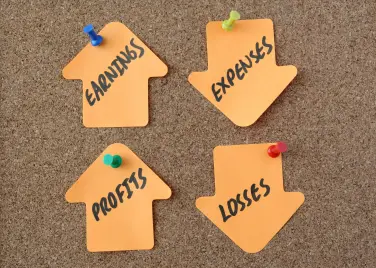
We did some research on how to calculate the capital gains and the conclusion we came to is that with cryptocurrency sales (for FIFO) it doesn't matter which wallet or exchange they came from or sit. That "first in" is based on the date per coin (which is different from stocks). So our calculations were based on when something came in, not which exchange or wallet.
We have a huge spreadsheet to keep every transaction. When we make a sale, we mark off the first item of that currency that came in, until the amount sold is cleared. Sometimes that means splitting the purchases to accommodate matching the sale. When we split items we put the total amount for the purchase in a separate column to avoid confusion in the future and then split that number into however many lines it takes to clear it with sales.
So if that's not complicated enough, there are other issues. If you enjoy math and working with spreadsheets then that's not too bad, right? Both my husband and I enjoy spreadsheets and math, however, the hardest thing of all seems to be balancing our numbers with the exchanges (or wallets).
It is my opinion that most of these companies need to hire more accountants to help them with their programming for reporting. It is hard for us to balance when they give us a number and then change it later. (This is our experience with mining one particular coin.) They have given us a certain amount, but when we go to balance, the numbers historical data in the app aren't the same as what actually happened in the wallet.
Another issue with these currencies is the use of such small numbers. Sometimes they go well beyond 8 digits past the decimal point. These are not always reflected in the activity but show up later when we download the statement. Some exchanges truncate the decimal and some round. So there are a lot of issues with balancing. Much of the time this doesn't matter much concerning the dollar value because money only goes to 2 decimals, but in a more valuable currency like Bitcoin it can make a big difference.
As people who like to balance to the exact number, it's a wonder either of us has any hair left.

Then there is the issue of fees. What happens when the fees are in a different currency than the pair you are trading or sending (for example sending BAT and accruing ETH fees). The “inventory” needs to be reduced in the fee currency while the cost needs to be included as a cost for the sale when it happens (even if the fees are due to being moved to another exchange or wallet).
Another difficulty is that some exchanges include quantity as the gross amount received (including the fees) and other exchanges show the quantity received as the net amount and show the fees that were removed. Again, this makes balancing a challenge.
So, for those who can afford to have these calculations done for them, more power to you! But for those who don’t have the funds for that luxury, I hope you have the stomach to figure all of this out. Crypto can be a very rewarding pursuit and bookkeeping is a necessary "evil". Again, I don't mean to scare anyone off at all, but if you plan to do much trading on multiple exchanges, be aware of the books that must be kept as you go (at least if you are a US taxpayer).
Once again this isn't financial advice (talk to a broker) or tax advice (talk to an accountant or lawyer) or advice on how to keep your sanity keeping crypto books (talk to a shrink)!
Happy calculating!


If you are gift shopping on the zazzle.com store I would very much appreciate you using this link (zazzle.com) here so I can get credit for any sale. Thank you.
(The images are public domain from pixabay.com.)






