There are clear differences between the genomes and diets of different species. Is there some evolutionary relationship of animal microbiota? There is indeed a definite difference between the genomes and diets of different animal species. Choosing the microbiome of the elephant, panda, python and few others for study, the microbiota of different animals will form clusters based of their evolutionary distance and dietary behaviour. We got herbivores, carnivores and omnivores. If we look for similarities based on the types of microbes and their abundance in the gut, then animals who are evolutionary close are also more alike on the microbiome level. But even for a big group like herbivores, there are clusters, based on whether the animal is a foregut or hindgut fermenter. Let me explain. A foregut fermenter has a fermenting chamber called rumen placed before the stomach. A hindgut fermenter has a fermenting chamber called cecum at the end of small intestine. Because they are different evolved digestive organs, they are selective for different microbes, hence the difference in the microbiota. The microbes are different based on the evolutionary relatedness of the host, but this clear separation dissapear when we consider the microbiota gene content. The gut microbial communities all share genes with similar functions, so even if the microbes are different, the functions executed are similar.
There was an experiment done, where zebra microbiota was transplanted to germ free mices. The microbes had to find a previous balance in their overall structure, adapting to the new host in the same time. The new environment forces the macrobiota to reach a new stable state. The new environmental conditions are determined by host genetics and lead to specific immune system and physiology, but they are also determined by the host dietary habits. There was another experiment where microbes where transferred from mices to germ free mice and from fish to germ free fish. The conclusion was that the host genetics is of major importance for the microbiota development. The mouse itself will adapt to the new microbiome using immune and metabolic adjustments.
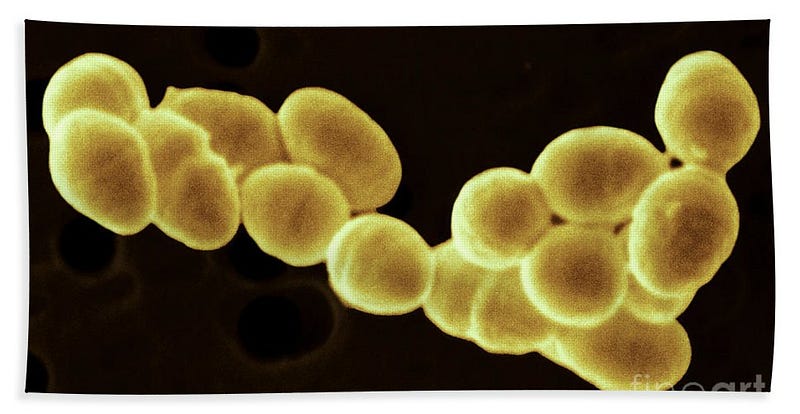 Ruminococcus
So, the microbiome will adapt to its specific environment as the genetic make-up of the host and its dietary habits will determine the environmental conditions. Every animal species carry their own specific microbiota.
Next post : Microbiota and obesity. Now this will be an interesting one!