
For centuries, gold and silver have played a central role in preserving wealth. Long before modern financial markets existed, precious metals served as a universal store of value, trusted across civilizations and monetary systems.
Despite the rise of digital assets, equities, and complex financial instruments, that role has never fully disappeared. In fact, in periods of monetary uncertainty, investors often rediscover why these assets have survived for so long.
But something important has changed in recent years. The way investors access gold and silver is evolving, and new financial infrastructure is beginning to reshape what ownership of these assets actually looks like.
Precious Metals Remain One of the Longest-Standing Stores of Value
When looking at long-term financial history, few assets have maintained relevance as consistently as gold and silver.
Both metals have experienced multiple economic cycles, inflationary periods, and financial crises. Yet across decades, they have remained central components of global reserves and investment portfolios.
The chart below illustrates the long-term performance of gold and silver over time.
Press enter or click to view image in full size 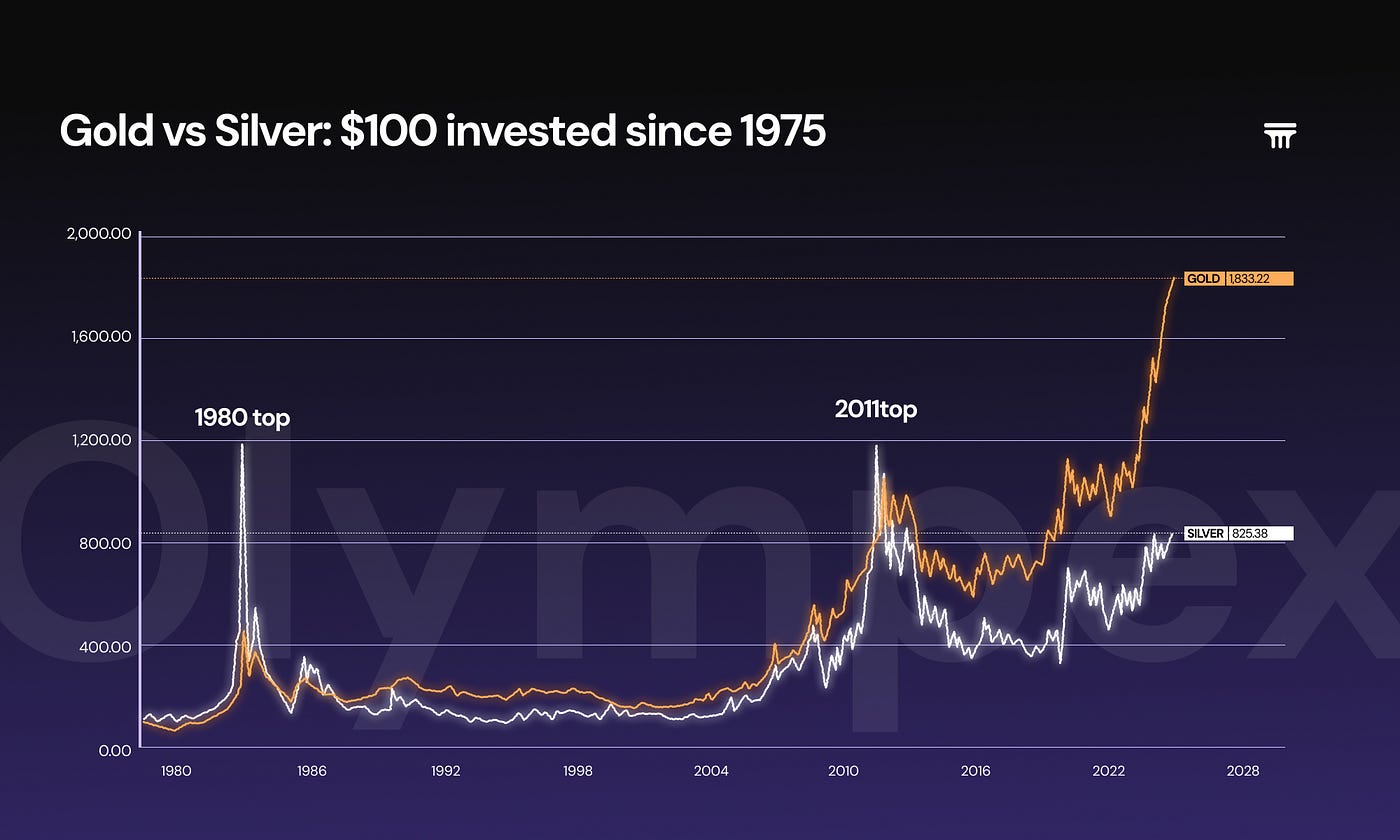
What this comparison highlights is not simply price performance. It demonstrates the enduring role of precious metals as assets that persist across financial eras.
While new technologies and markets continue to emerge, investors repeatedly return to assets that have historically preserved purchasing power.
However, while the assets themselves have remained consistent, the way investors interact with them is beginning to change.
A New Infrastructure for Precious Metal Ownership
Traditionally, investors had two primary ways to gain exposure to gold and silver.
They could purchase physical metal directly, or they could gain exposure through financial products such as ETFs and brokerage instruments.
Both models have advantages, but they also introduce limitations. Physical metals can be difficult to transfer or store securely, while financial products introduce layers of intermediaries between the investor and the underlying asset.
Over the past few years, a new model has begun to emerge.
The chart below shows the growth of tokenized gold compared to traditional gold ETFs.
Press enter or click to view image in full size 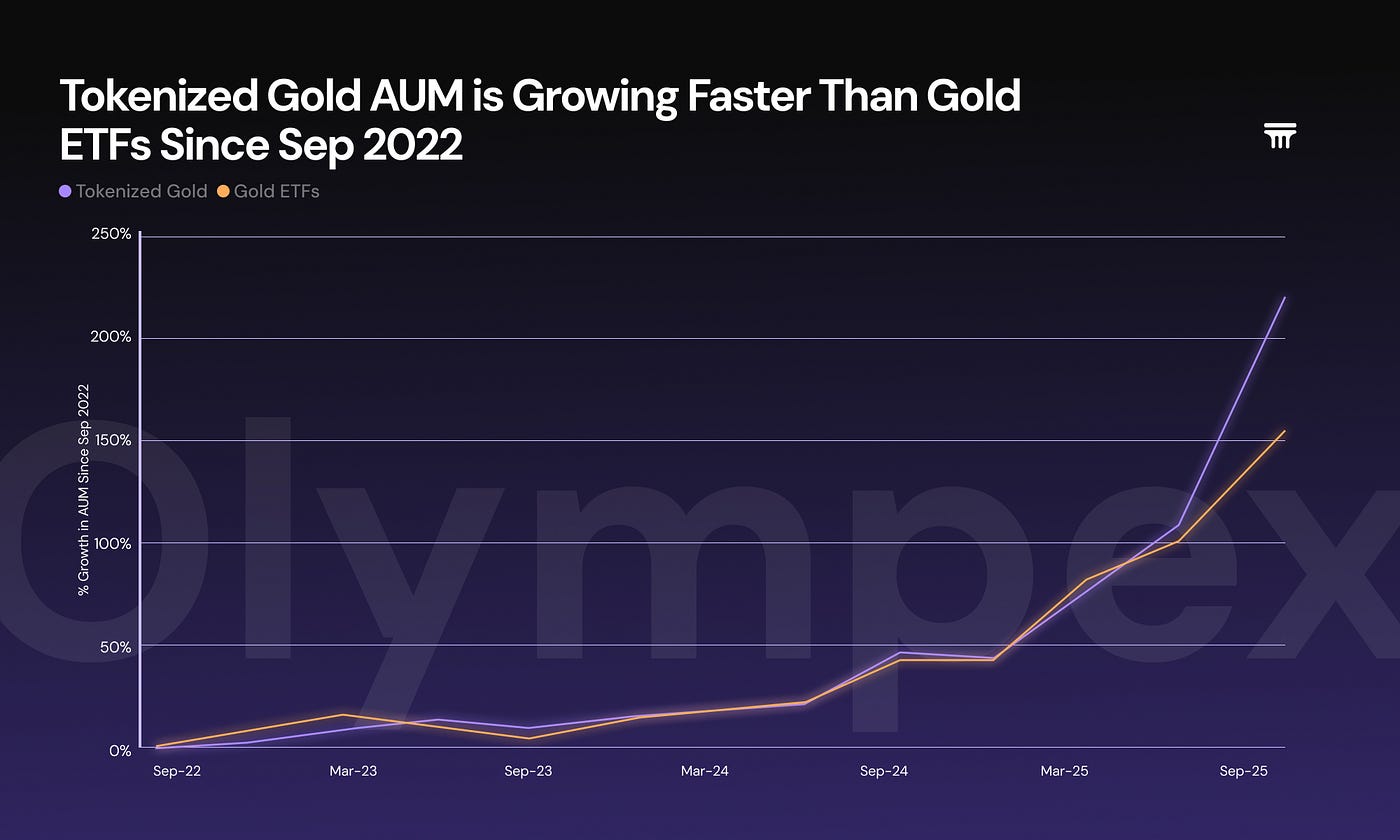
Tokenized gold represents a new way to interact with precious metals. By combining traditional assets with blockchain infrastructure, it becomes possible to represent ownership digitally while maintaining a connection to the underlying physical reserve.
This model opens the door to faster transfers, global accessibility, and integration with modern financial networks.
But perhaps the most important shift is not technological. It is behavioral.
Investors are increasingly prioritizing control over their assets.
The Growing Preference for Self-Custody
Across the digital asset ecosystem, one trend has become increasingly clear.
More users are choosing to move assets away from centralized platforms and into wallets they control directly.
The chart below illustrates the decline in Bitcoin held on exchanges over time.
Press enter or click to view image in full size 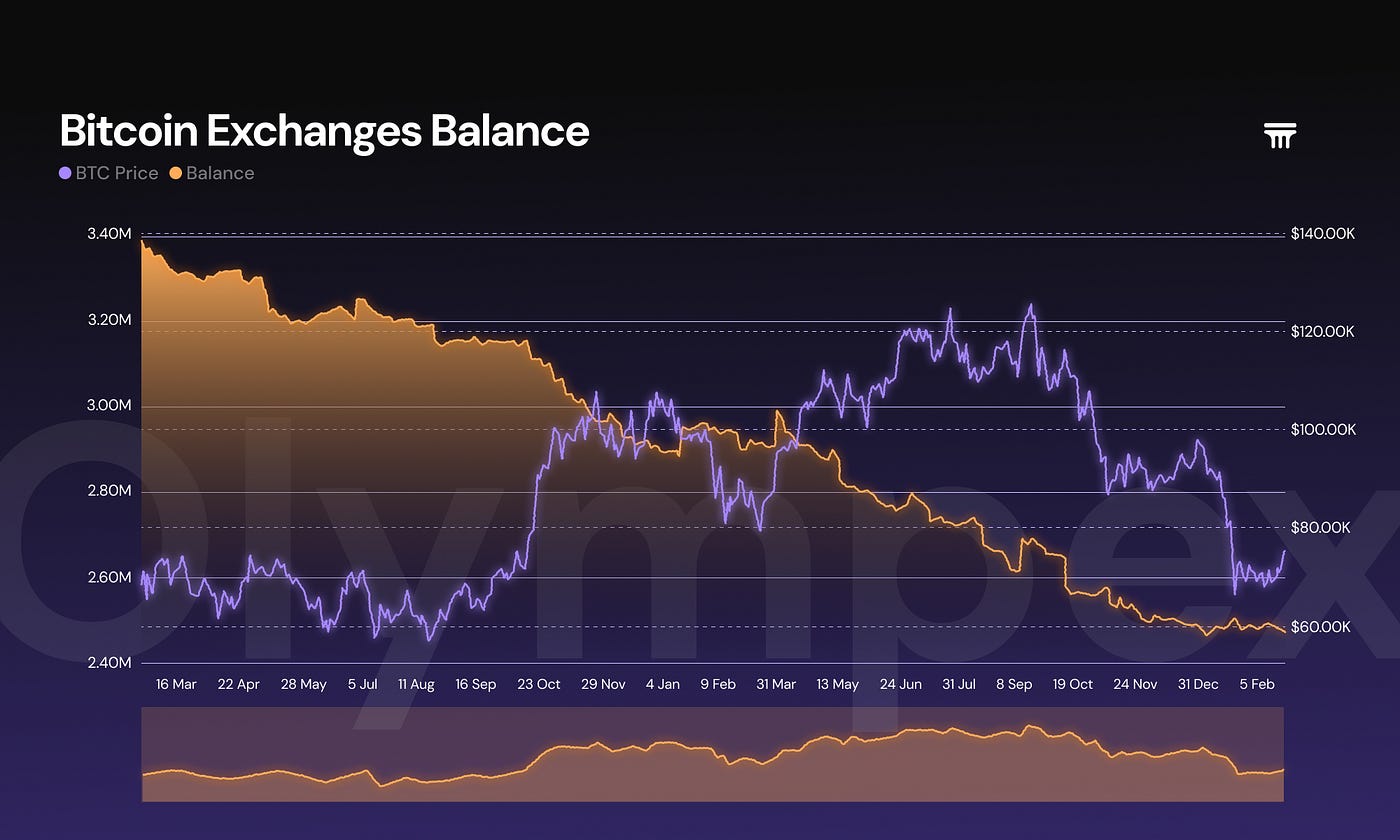
When assets leave exchanges, they are typically moving into self-custodied wallets. This shift reflects a broader change in how investors think about ownership and financial security.
Instead of relying entirely on intermediaries, many investors now prefer to maintain direct control over their assets.
This concept, often referred to as self-custody, has become one of the defining characteristics of modern digital finance.
And increasingly, the same principles are beginning to influence how investors approach traditional assets like gold and silver.
The Convergence of Precious Metals and Digital Finance
As financial infrastructure evolves, the line between traditional assets and digital systems continues to blur.
Precious metals remain some of the most trusted stores of value in the world. At the same time, blockchain technology has introduced new models for ownership, custody, and financial access.
The intersection of these two worlds is creating new opportunities for investors who want both stability and control.
Rather than relying entirely on traditional intermediaries, investors are beginning to explore ways to access assets like gold and silver while maintaining greater transparency and autonomy over their holdings.
Understanding how these systems work is becoming increasingly relevant as financial markets continue to evolve.
Join Our Webinar: Investing in Gold and Silver With Privacy
These ideas are exactly what we will explore in our upcoming webinar.
During the session, we will examine how modern financial infrastructure is enabling new ways to access assets such as gold and silver while reducing intermediary risk and maintaining greater control over custody.
We will also discuss how emerging technologies are reshaping the relationship between traditional stores of value and decentralized financial systems.
If you are interested in understanding how these models work and how investors are beginning to apply them in practice, we invite you to join the discussion.
You can also join our Telegram community, where we share research, insights, and updates about upcoming educational sessions and new developments in decentralized finance.
The financial system is changing quickly. Learning how ownership, custody, and access to assets are evolving may become one of the most important skills investors develop in the coming years.





