
Tokenization has quietly become one of the most transformative forces in modern finance. What began as an experimental concept, representing assets on a blockchain, has evolved into a global movement reshaping how people buy, sell, own, and transfer value. From real estate to fine art, government bonds, carbon credits, and even intellectual property, the world is learning that assets don’t need to stay locked behind legal paperwork and intermediaries. They can be fractionalized, traded 24/7, and moved across borders with the same ease as sending an email.
This shift marks a deeper integration between traditional finance and Web3. As institutions explore blockchain infrastructure and regulatory clarity improves, tokenization is becoming the next major wave of adoption, one that impacts markets far beyond crypto natives. It doesn’t just modernize ownership; it expands access, unlocks liquidity, and introduces entirely new investment possibilities.
Press enter or click to view image in full size
What Tokenization Actually Means, and Why It Matters
At its core, tokenization is the process of converting real-world assets (RWAs) into digital tokens on a blockchain. Each token represents ownership or rights associated with that asset. This could be a share of a building, a portion of a treasury bond, or even fractional ownership of a piece of art.
Why does this matter? Because it dissolves friction. Traditional assets are often slow to settle, expensive to transfer, and limited by geography or regulation. Tokenization changes that by giving assets:
Instant transferability
24/7 global markets
Fractional ownership
Programmable compliance
Verifiable transparency on-chain
In other words, tokenization turns rigid financial objects into fluid, digital-native investment instruments.
For a deeper look at why decentralization improves transparency and execution, you can revisit:
“The Risk Everyone in Crypto Knows and Still Ignores”
From Real Estate to Government Bonds: What Can Be Tokenized?
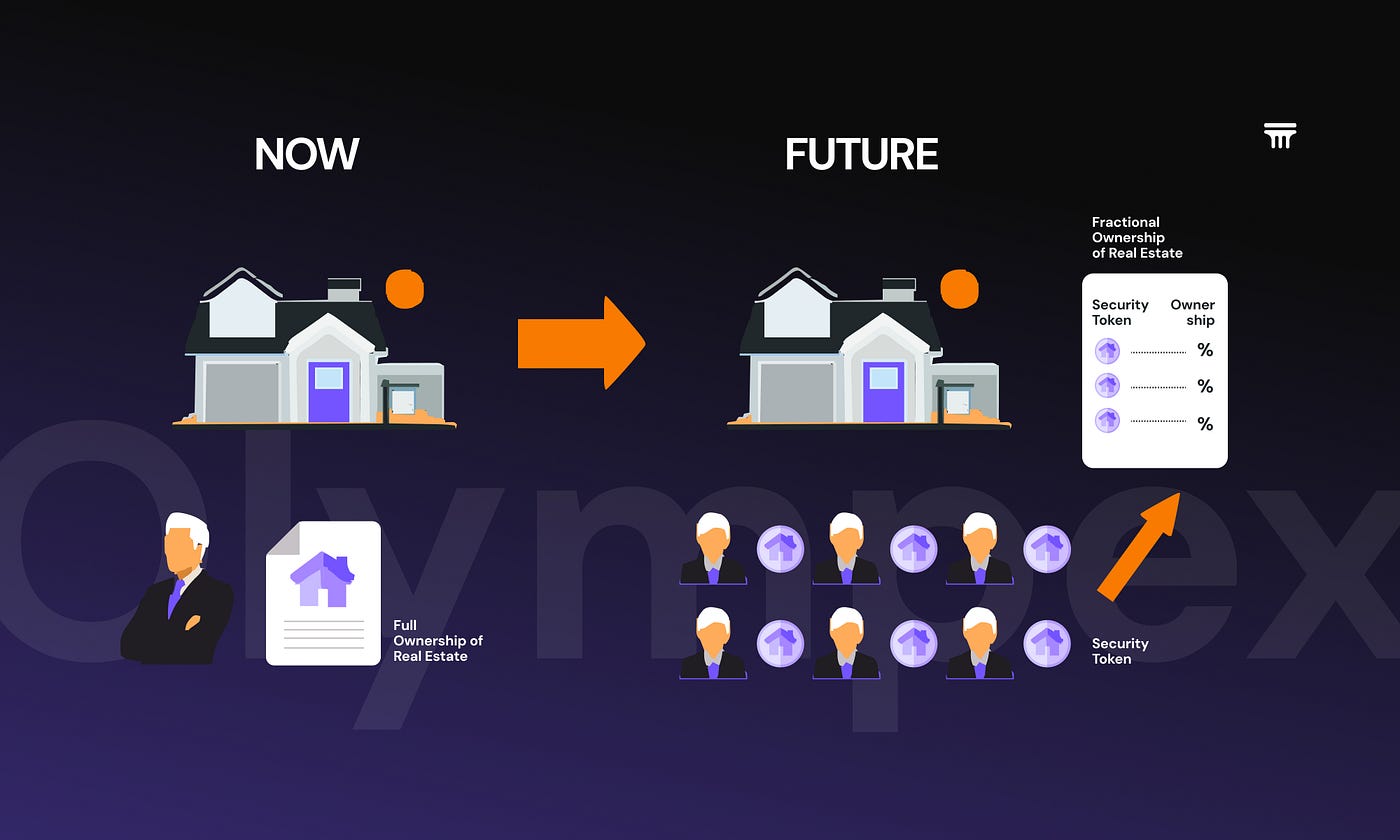
Nearly anything with ownership rights can be represented on-chain. Real estate is one of the most popular examples, where properties can be fractionalized and sold as digital shares. This lowers barriers to entry and enables global investors to participate in opportunities once reserved for large institutions.
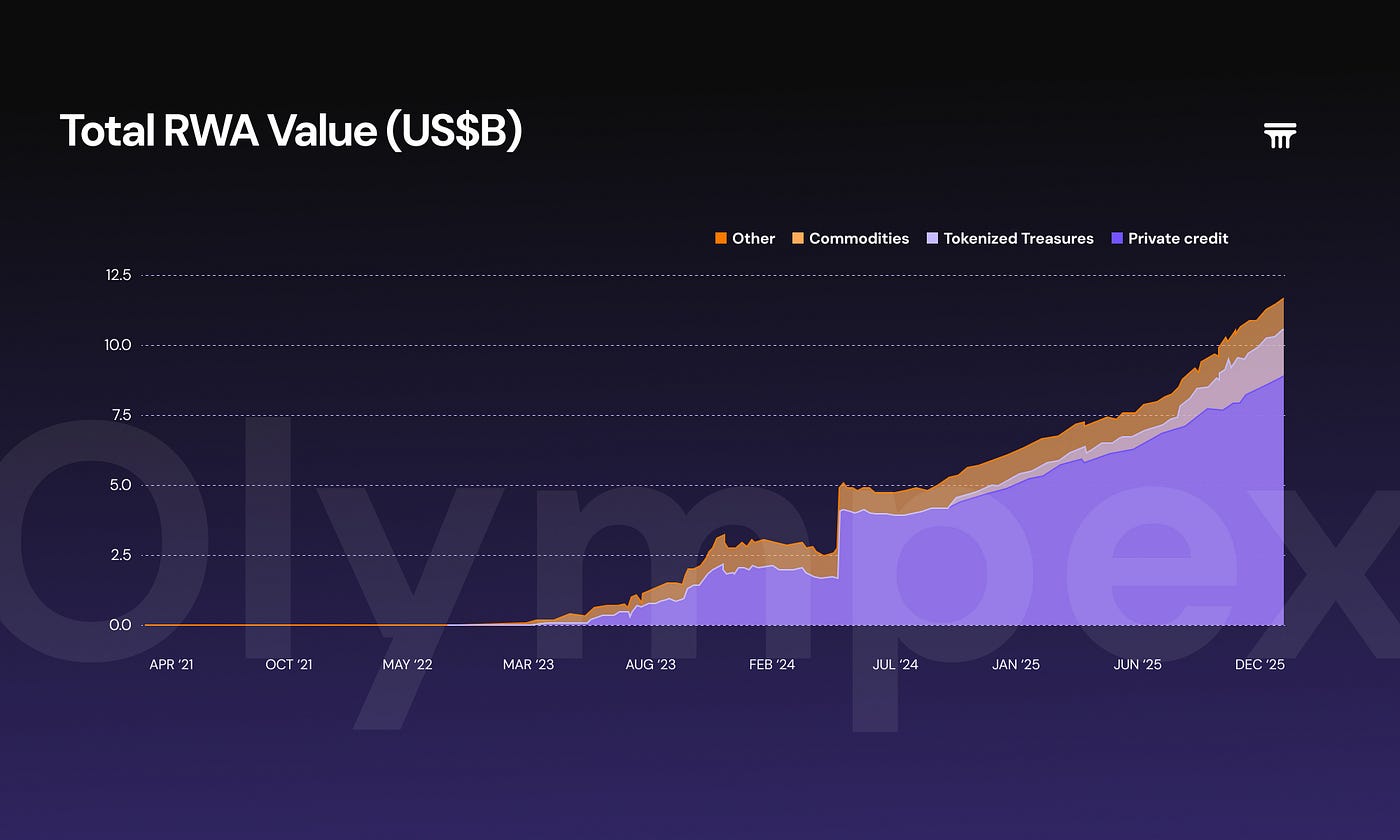
Financial products are moving even faster. Tokenized U.S. Treasury bills, like those issued by BlackRock, Franklin Templeton, and Ondo Finance, have already attracted billions. They offer the yield and safety of traditional bonds with the efficiency of blockchain settlement.
Even more experimental areas are emerging: tokenized music royalties, carbon credits, wine collections, and revenue-sharing agreements. Each new category expands the universe of investable assets and blurs the line between TradFi and DeFi.
Press enter or click to view image in full size
How the Tokenization Process Works
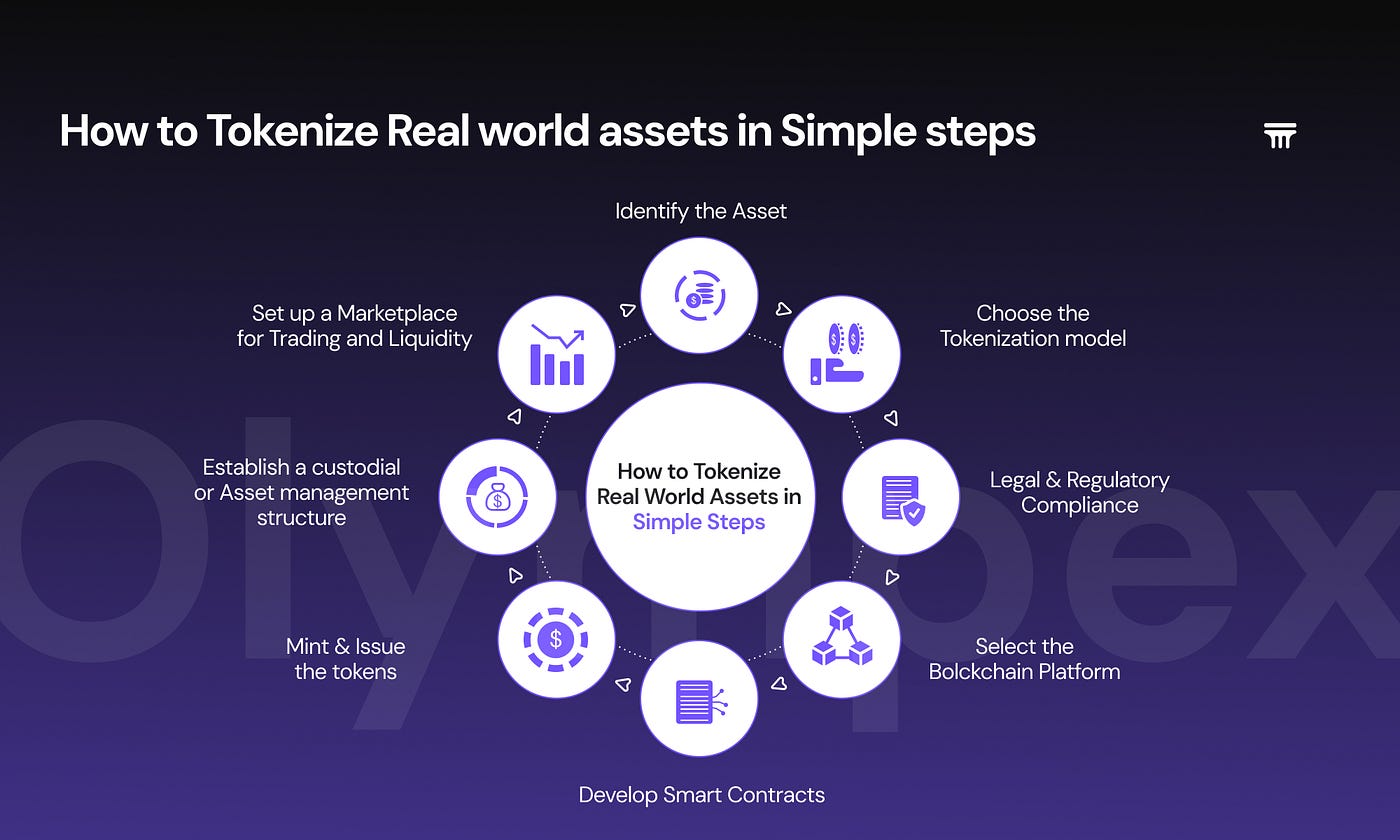
Although the user experience can feel simple: Buy a token, own a piece of an asset, the underlying architecture blends legal structure, compliance, and blockchain rails. The process typically involves:
1. Asset origination: A real-world asset is vetted and structured for tokenization.
2. Legal representation: Ownership rights are tied to tokens, often through SPVs or trust structures.
3. Blockchain issuance: The tokens are minted on a network such as Ethereum, Base, Polygon, or Solana.
4. Distribution and trading: Investors buy tokens through regulated platforms or exchanges.
5. Settlement and redemption: Token holders receive yield, rent, dividends, or eventual liquidation proceeds.
The power lies in programmability: smart contracts automate distribution, enforce rules, and simplify compliance.
To explore how cross-chain execution enhances these new markets, you can connect this with:
“Not Just Moving Tokens: Why Real Bridges Connect Experiences”
The New Investment Opportunities Tokenization Unlocks
Tokenization doesn’t just digitize existing markets, it expands them.
For investors, it allows fractional exposure to previously unreachable assets. Someone with $50 can now invest in a Manhattan property, an index of blue-chip artworks, or U.S. government bonds. Meanwhile, issuers gain access to a global investor base and reduced operational friction.
Liquidity also improves dramatically. Assets that typically take days or weeks to settle can now move instantly. Markets that were once local become global. And instruments that were once reserved for institutions, like credit products or real estate funds, can be opened to a broader audience.
These advantages create a more inclusive and efficient financial system, where value flows more freely and investment opportunities are no longer limited by geography or capital size.
Press enter or click to view image in full size
Risks and Considerations Before Entering the Market
As with any emerging technology, tokenization comes with risks. Regulatory frameworks vary by jurisdiction, legal structures differ across issuers, and liquidity may be limited depending on the asset type. Investors should assess custody arrangements, transparency of underlying collateral, and the reputation of the issuing entity.
While tokenization makes assets more accessible, due diligence remains essential, and as always, on-chain security depends heavily on reputable smart contract infrastructure.
The Future of Asset Tokenization
Tokenization is quickly becoming one of the most important trends in global finance. Institutions are exploring it, regulators are defining frameworks for it, and users are beginning to experience its benefits directly. As the technology matures, we’ll see entire markets rebuilt on blockchain: real estate portfolios, commodities, credit markets, and even equity instruments may move into tokenized form.
Eventually, the distinction between a “crypto asset” and a “traditional asset” will blur. There will only be assets, most of which live on blockchains, and when that happens, tokenization won’t be viewed as an innovation, It will be the default.
Tokenization is no longer a future concept. It’s already reshaping how value moves across markets.
If you want to understand how these tokenized assets interact with liquidity, execution, and on-chain infrastructure, explore how Olympex is building the rails for this new financial layer.





