
Volatility in BTC nears a 6-year low amid another major drawdown — which has historically provided a good opportunity for investing

Figure 1 — Image Credit: CoinShares
Volatility has been a persistent theme in Bitcoin ever since it exploded onto the financial scene, a little over a decade ago. While volatility has been a precursor to most of the major price action moves that we have seen materialize in the premier digital asset, it has been on the decline lately. In fact, volatility in BTC is currently near a six-year low (Figure 2) — so much so that Bitcoin’s 30-day volatility is currently lower than that of the two benchmark U.S stock indices of Nasdaq and S&P 500.
Nasdaq’s 30-day volatility sits at 2.1%, S&Ps at 1.9% compared to BTCs at 1.4%. Interestingly, this has only happened twice since 2017. While we have seen BTC behave more like a risk asset lately, replicating moves in U.S stocks — especially the tech-heavy Nasdaq — the volatility for the two has been moving in opposite directions. Generally, volatility is high when a new asset class is introduced or risk-averse sentiment persists, but as the market becomes more liquid and less speculative, it tends to settle down.
Not sure if we have beyond the stage of early adoption in Bitcoin yet, but a wider institutional adoption has certainly helped BTC gain a little more credibility as a digital asset. But is volatility really a bad thing? Bitcoin investors/traders have been rewarded generously on previous occasions with their wild price swings. For the faint of heart, it's still a little too much. Long-time investors or aka ‘hodlers’ have benefited from early entry but they are not the only ones.
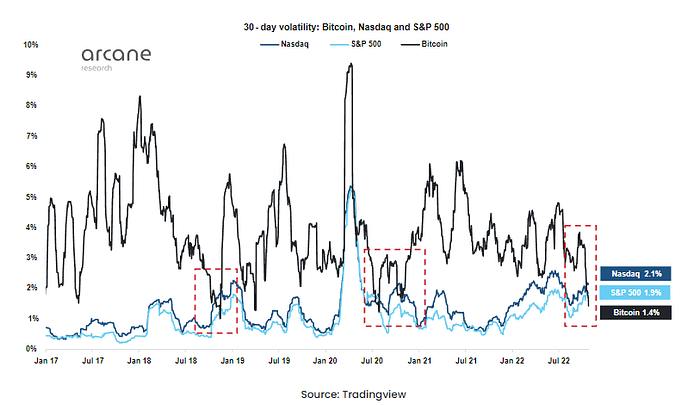
Figure 2 — Image Credit: Arcane Research
For people who missed the chance earlier on, BTC has provided numerous opportunities over the years to get in the game. According to the top chart by Coinshares Research (Figure 1), there have been nine major drawdown instances in just 13 years of BTC’s existence. All these events saw the price of Bitcoin fall by over 40%. Longer-time investors were mostly unfazed by these violent price swings, many others took the exit fearing the worst, while others still took it as an opportunity to accumulate.
I personally know many people who got excited during the euphoric rise of Bitcoin in late 2017 — getting in the market when the BTC was nearing a peak or had already done so. One simple, yet very effective rule of trading/investing that novice entrants often forget is ‘Buy low & sell high’ and not the other way around. Chasing trends is never a reliable strategy in any asset class, and most of the time, you end up getting burnt.
Although we have yet to confirm that BTC has bottomed out from the current drawdown, every other instance in the top chart saw the price move up — rewarding the entrants who took the right approach. Many people are still not comfortable with BTC as a trading/investing instrument till it becomes a more widely accepted phenomenon. For others, volatility is not an issue at all, as changes in BTC exchange rates have historically had no effect on how Bitcoin functions, and it is unlikely to do so in the future. Where do you stand?
Disclaimer: This is just my personal analysis and is not be construed as any kind of investment advice. Please conduct your own due diligence.
Originally Published on Medium
Email | Twitter | LinkedIn | StockTwits | Telegram | Newsletter






