
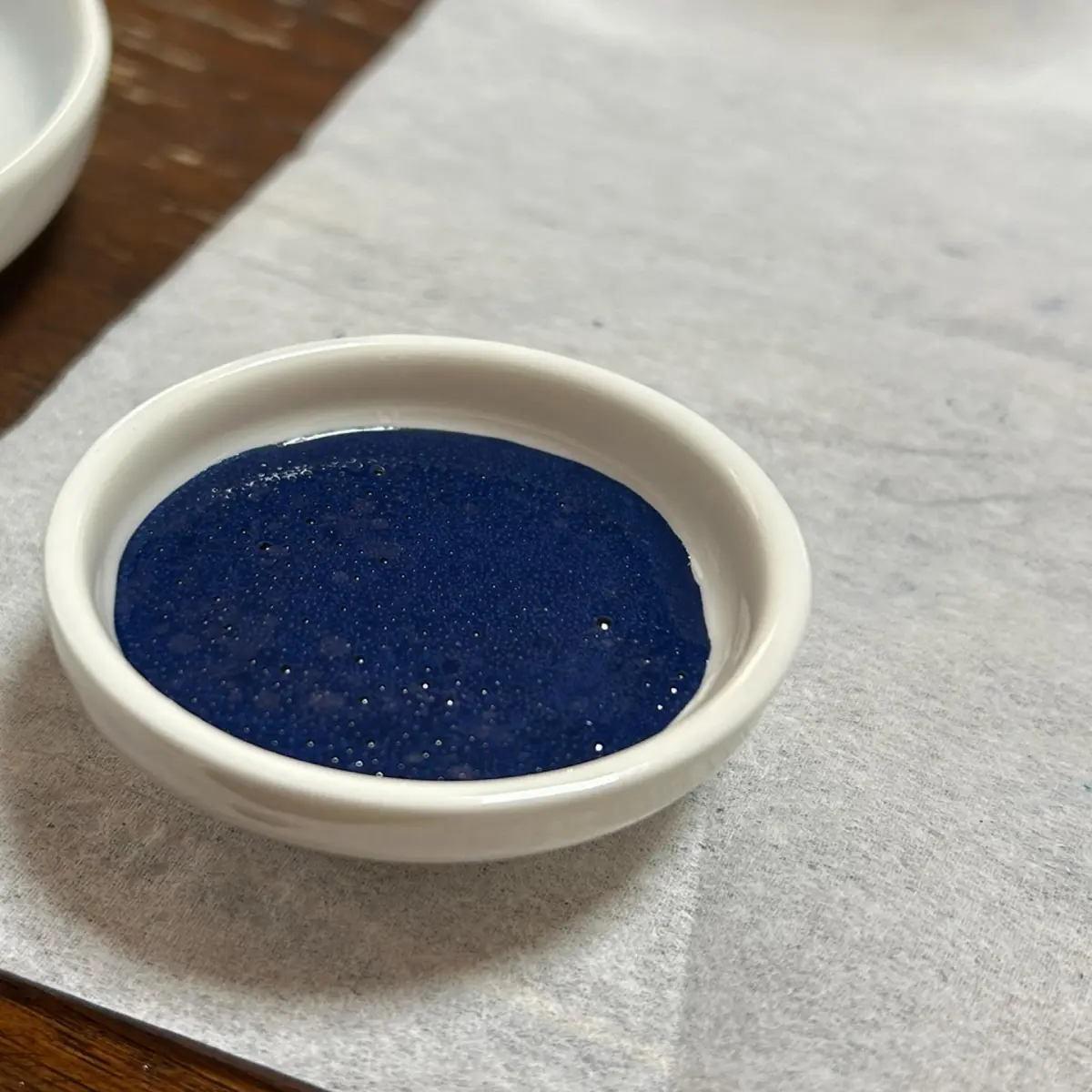
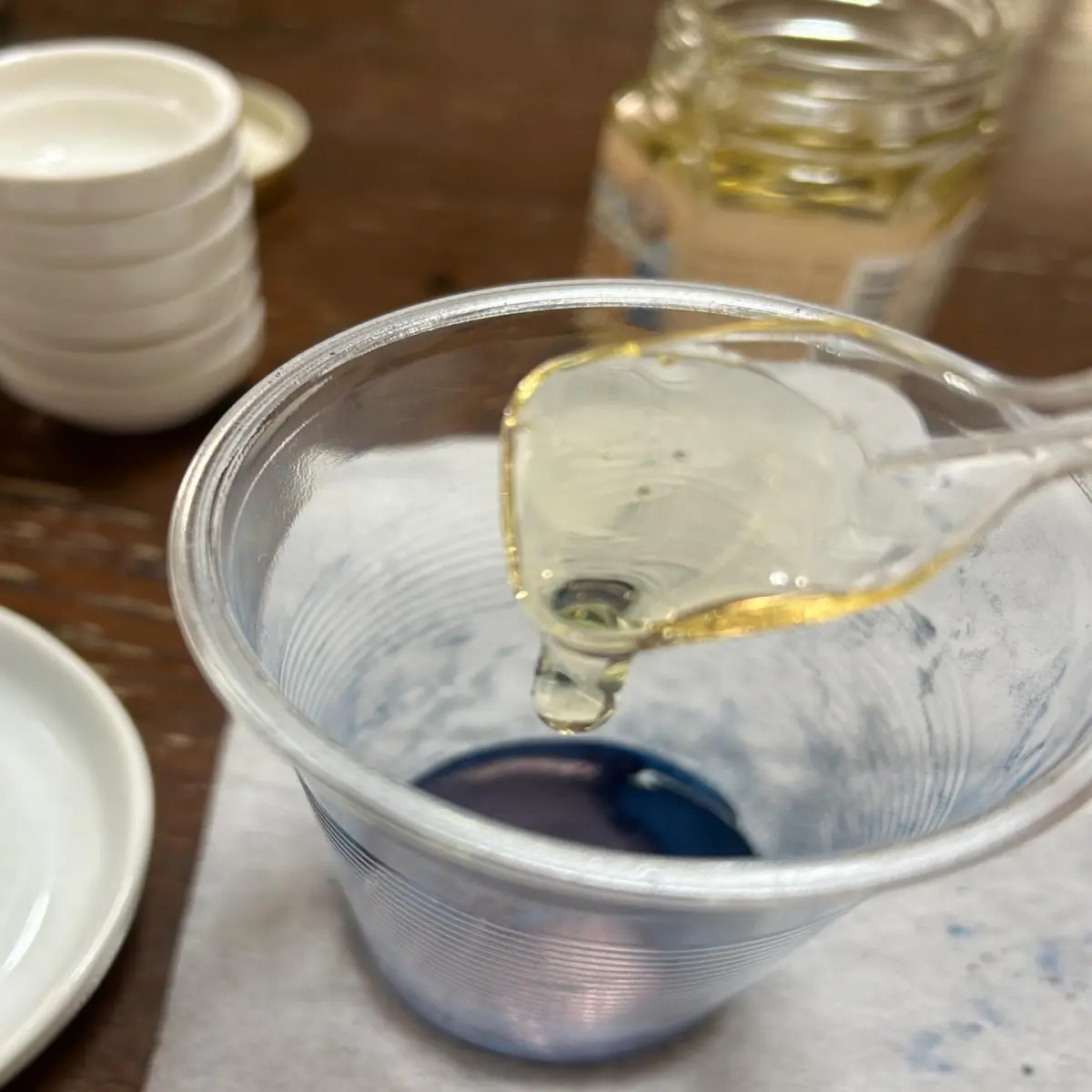
**Those who love using watercolor paints may know that gum arabic is used as the binder. But do you know where it comes from? Many people assume it comes from the Arabian Peninsula, but the main production areas are North African countries, particularly Sudan.**
Gum arabic is a water-soluble resin obtained from the Acacia Senegal, a tree from the acacia family. Due to its excellent solubility in water, strong adhesion to paper, and its ability to impart gloss and brightness to colors, gum arabic is an essential binder in professional-grade watercolor paints. You might be surprised to learn that it’s also used in foods due to its sweetness and safety. It’s commonly used on the outer coating of candies and sugar-coated pills, and as an emulsifier for flavorings.
---
**Transparent Watercolors and Gouache**
Watercolor paint is made by mixing gum arabic, dissolved in warm water, with pigments. The basic process for making both transparent watercolors and gouache (opaque watercolors) is the same. The difference lies in the ratio of pigment to gum arabic, the binder. Transparent watercolors use less pigment and more gum arabic to increase transparency, while gouache is made more opaque by increasing the pigment ratio and using less gum arabic.
Commercial paints contain other ingredients as well. Glycerin (a polyhydric alcohol) is added to stabilize the paint and keep it moist in the tube, while preservatives and antifungal agents are included to prevent spoilage or mold contamination.
---
1. Gradually add gum arabic to warm water heated to 50°C and dissolve it.
2. Once the gum arabic is completely dissolved, filter it using gauze or a similar material.
3. Mix glycerin into the filtered gum arabic solution.
4. After the glycerin has dissolved, let the mixture sit quietly.
5. Use the clear solution on top as the binder.
6. Gradually mix the pigment with the binder from step 5 in a 1:1 ratio.
7. Use a palette knife or similar tool to blend and refine the particles.
8. Finally, place the prepared paint into an empty tube, and it’s ready for use.






