
In the mid-19th century, during the dawn of science, European scientists were striving to artificially synthesize dyes and pharmaceuticals from substances like coal tar.
Among these efforts, the first product to achieve great commercial success was Perkin’s synthetic aniline dye, mauve.
At that time, the textile industry, which was a crucial industry, used natural dyes such as indigo and alizarin.
However, as the demand to artificially synthesize and commercialize these dyes grew, Hoechst was founded in 1863 as a small dye company with only seven employees.
That same year, Bayer also started as a small dye company. This was two years before Kekulé clarified the chemical structure of benzene.
Soon after, BASF was established as a company specializing in aniline dyes.
The rise of the dye industry eventually led to the differentiation of the pigment industry in the 20th century.
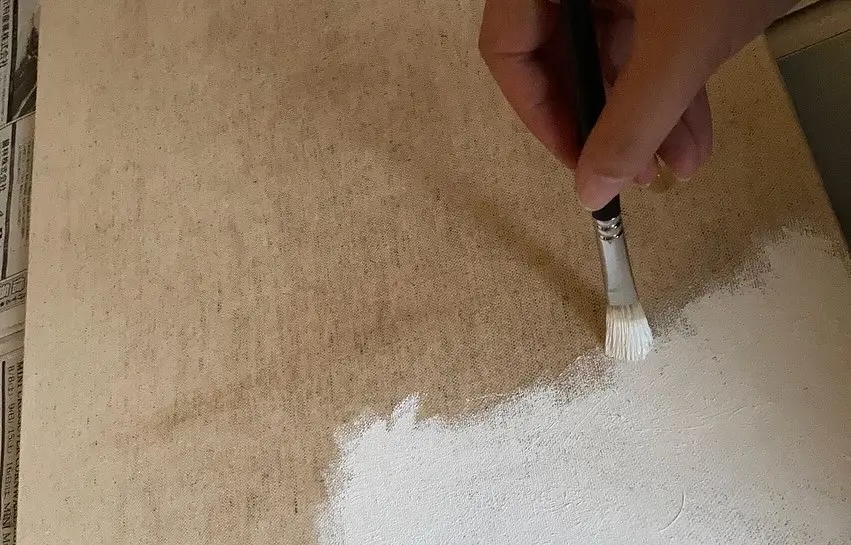
History and Groups of Organic Pigment:
•Azo Pigment:
•Soluble Azo
•Monoazo:
•Lake Red (1902)
•Hansa Yellow (1909)
•β-Naphthol (1905)
•Naphthol-AS (1912)
•Benzimidazolone (1965)
•Disazo:
•Disazo Yellow (1911)
•Pyranthrone (1911)
•Disazo Condensation
•Polycyclic Pigment:
•Phthalocyanine (1935)
•Quinacridone (1955)
•Dioxazine (1953)
•Perylene (1956)
•Perinone (1953)
•Thioindigo (1949)
•Anthanthrone (1913)
•Isoindolinone (1956)
•Isoindoline (1955)
•Indanthrene Blue (1959)
•Quinophthalone (1968)
•Metal Complex (1966)
•Pyrrolo Pyrrole (1986)
•Others (e.g., Alkali Blue)
(Years indicate discovery or development year)
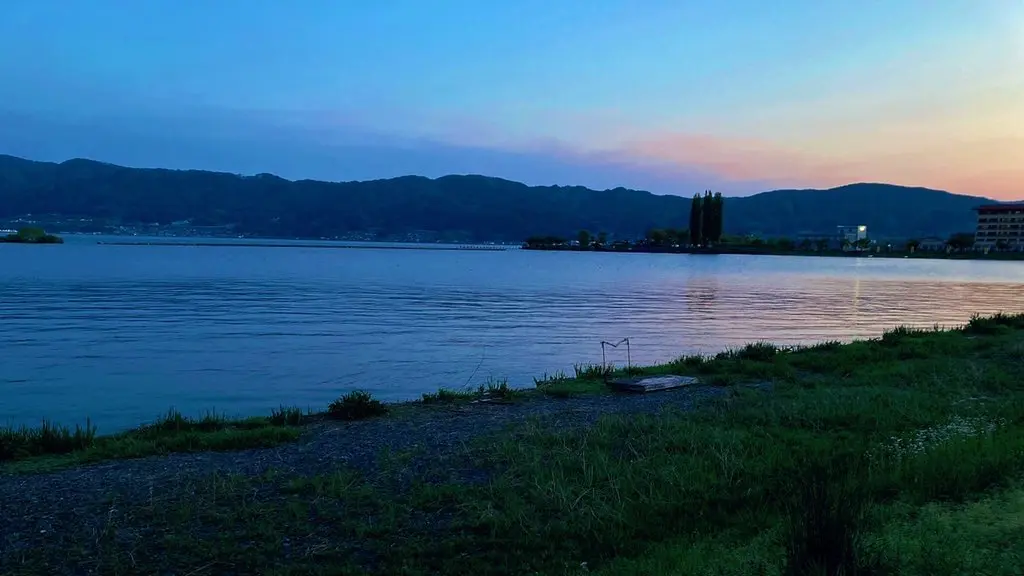
↑ Lake suwa in NAGANO pref Japan.
Thank you for read. :-)






