
Treasury of Chinese Culture
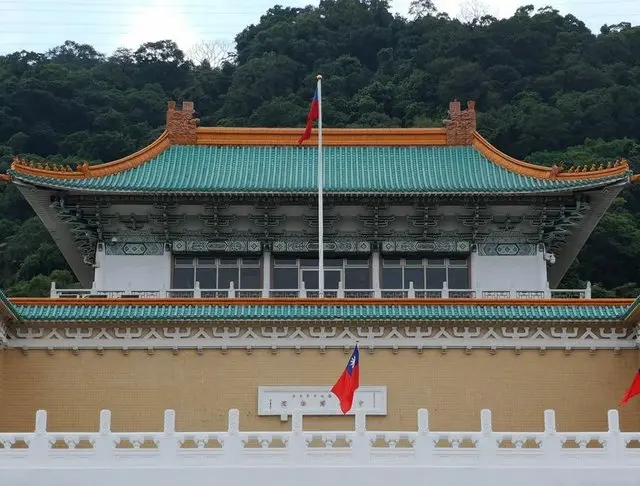
The world's largest and most valuable collection of Chinese artworks can be found not in China, but in Taiwan. The National Palace Museum in the north of Taipei has around 700,000 finds and artifacts, only a fraction of which are on display. The collection encompasses cultural objects from 7,000 years of Chinese art.
Short historical review
The unique collection of art treasures is a legacy of the four imperial dynasties Song, Yuan, Ming and Qing. After the revolution in 1911 and the banishment of the last emperor Puyi from the Forbidden City, the imperial palace in Beijing was rededicated as the National Palace Museum in 1925. During the Japanese invasion in Manchuria, the art collection was brought to a warehouse in Shanghai. During the civil war in 1949, the nationalist leader Chiang Kai-shek fled to Taiwan with his army and followers before the communists. Even the most valuable part of the collection was evacuated to the island in the Pacific.
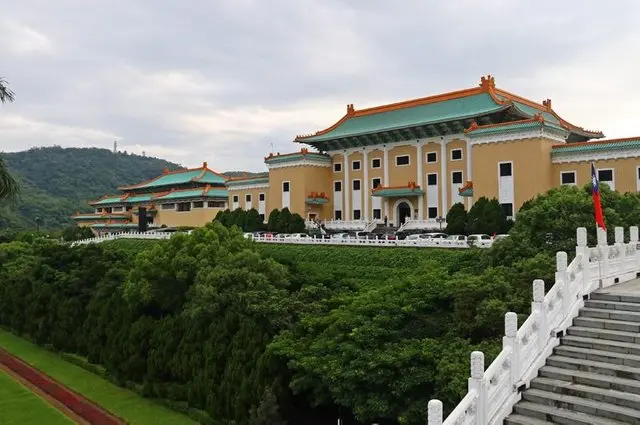
In November 1965 the National Palace Museum of the Republic of China was opened in Taipei. The exhibits are displayed on three floors. Artworks made of jade, bronze, porcelain and wood as well as early historical finds and artefacts are the main focus of the permanent exhibition. Due to the sensitive materials, books, paintings, calligraphies or documents in special exhibitions are only shown for a limited time.
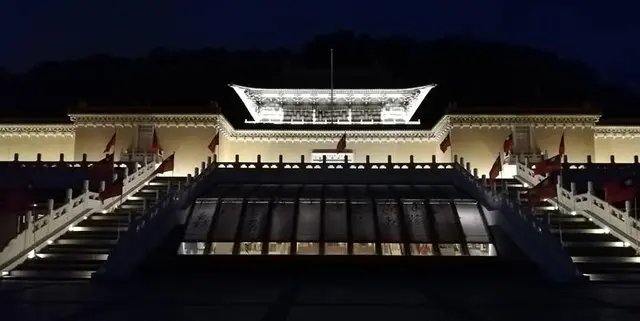
National Palace Museum / Nationales Palastmuseum
No. 221, Sec 2, Zhi Shan Rd, Shilin District, Taipei City
Taiwan 111






