
Hello fellow Street Warriors! While queuing up at a crowded coffee shop waiting for a food delivery order today, I had to show my digital driver profile to the cashier to confirm the order ID. It got me thinking about my latest Web3 learning logs from BitDegree regarding KYC (Know Your Customer) and AML (Anti-Money Laundering) compliance in DeFi.
To many crypto purists, forcing regulatory checks on decentralized platforms sounds like a complete nightmare. But as an ojol driver who lives through verification checks every day, I see it through a very practical street logic. Let's break down how DeFi is solving the biggest puzzle in finance: balancing safety with privacy.
1. The Core Concept: Verifying the Rider and the Cash
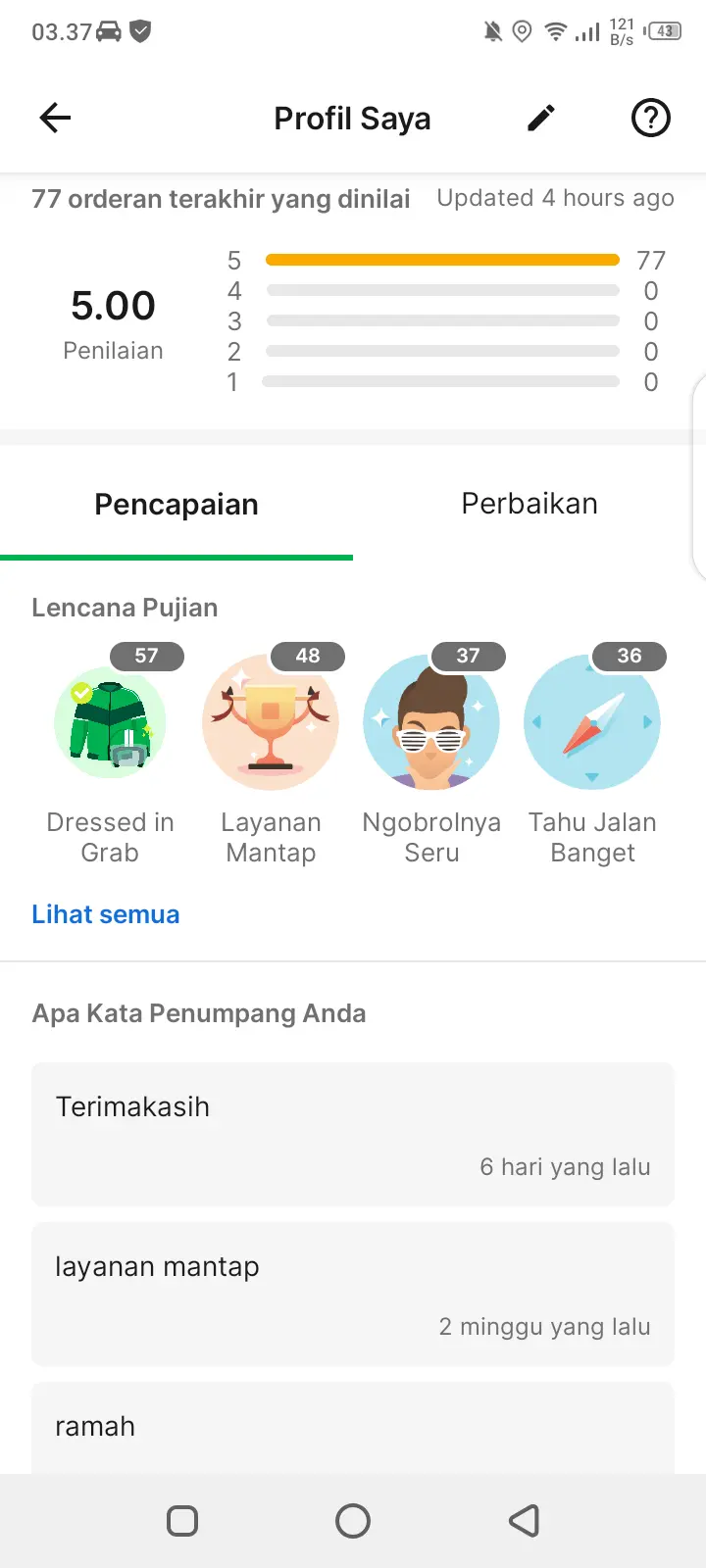
· KYC (Know Your Customer): This is the process where a platform verifies you are a real human, not a bot or a scammer. In our world, this is exactly like submitting your KCK (SKCK), Driver’s License (SIM), and taking a live selfie verification inside the driver app before you can toggle your status to "Online." The company needs to know that the person riding the motorcycle matches the registered account to prevent fraud.
· AML (Anti-Money Laundering): This is the system designed to spot illegal money moving through the network. On the streets, think of it as the app system flagging or auto-blocking an account if a driver suddenly receives a suspicious Rp50.000.000 non-cash tip from a random, unverified customer at 2 AM. The system monitors transactions in real-time to ensure the platform isn't being used to clean "dirty money" from crime.
2. The Big DeFi Puzzle: No Central Boss at the Basecamp
In traditional banking, if a regulator wants to check a suspicious account, they just call the compliance manager at the bank's headquarters.
But DeFi operates without a central authority. It is like an independent, self-governing street pangkalan (basecamp) where drivers share a community cash pool without any official cooperative leader or manager. Enforcing rules here is extremely tough because there is no single office to raid, and users love their anonymity.
3. The Street Innovation: Zero-Knowledge Proofs (ZKP)
This is where Web3 leaves traditional banks in the dust. Some advanced DeFi platforms are now using a cryptographic tech called Zero-Knowledge Proofs (ZKP).
To explain this in street logic, imagine if your local pangkalan has a strict rule: "Only active, official drivers are allowed to sit at the bench."
· The Old Way (Traditional Finance): Every time you want to sit down, you have to hand over your physical KTP, showing your full name, home address, date of birth, and religion to everyone at the basecamp. Your privacy is completely exposed.
· The ZKP Way (Web3 Innovation): You approach a digital scanner at the bench. The scanner checks your profile, confirms you are an active driver, and flashes a Green Light 🟢. You get to sit on the bench. However, none of the other drivers—and not even the scanner itself—can see your actual name, where you live, or your ID number.
The system proves a statement is true (Yes, I am a verified, legal driver) without revealing any of the underlying private data. Traditional banks cannot achieve this balance; they either take all your data or lock you out completely.
4. Why Should Everyday HODLers Care?
Implementing clean KYC and AML practices isn't about letting the government spy on your daily earnings. Done right via decentralized identity protocols, it brings major benefits to our digital streets:
· Fewer Scammers: It prevents malicious actors from launching massive "Tuyul" (fake GPS/bot) attacks that drain liquidity pools.
· Legal Protection: It builds a bridge for bigger, institutional capital to enter the DeFi space safely, increasing the value of the entire ecosystem.
· Safer Environment: You can navigate the yield farms knowing the risk of systemic fraud is drastically reduced.
Conclusion: Trusting the Ride, Respecting the Rider
Walking back to my motorcycle today, I realized that the future of decentralized finance depends on this exact balance. We need rules to keep the bad actors off our roads, but we must protect the privacy of the honest drivers. Technology like Zero-Knowledge Proofs proves that we don't need to sacrifice our freedom to stay safe on the digital highway.
Keep your eyes on the road, protect your keys, and let's keep riding forward! See you on Part 29! 🚀
Educational foundation provided by BitDegree.
📌 Author’s Note: My Web3 Journal Part 2 was officially cited on MEXC News, and this grassroots series is curated and published by Block Magnates on Medium. If these roadside analogies helped your crypto literacy, please consider leaving a thumbs up!






