Every morning, before I turn on my ride-hailing app, I check my fuel tank. Out on the asphalt, gasoline is the lifeblood of my motorcycle. But as a driver, I am also a part of a massive centralized machine. If the company’s central server goes down, my app freezes, and I cannot earn a single Rupiah for my family.
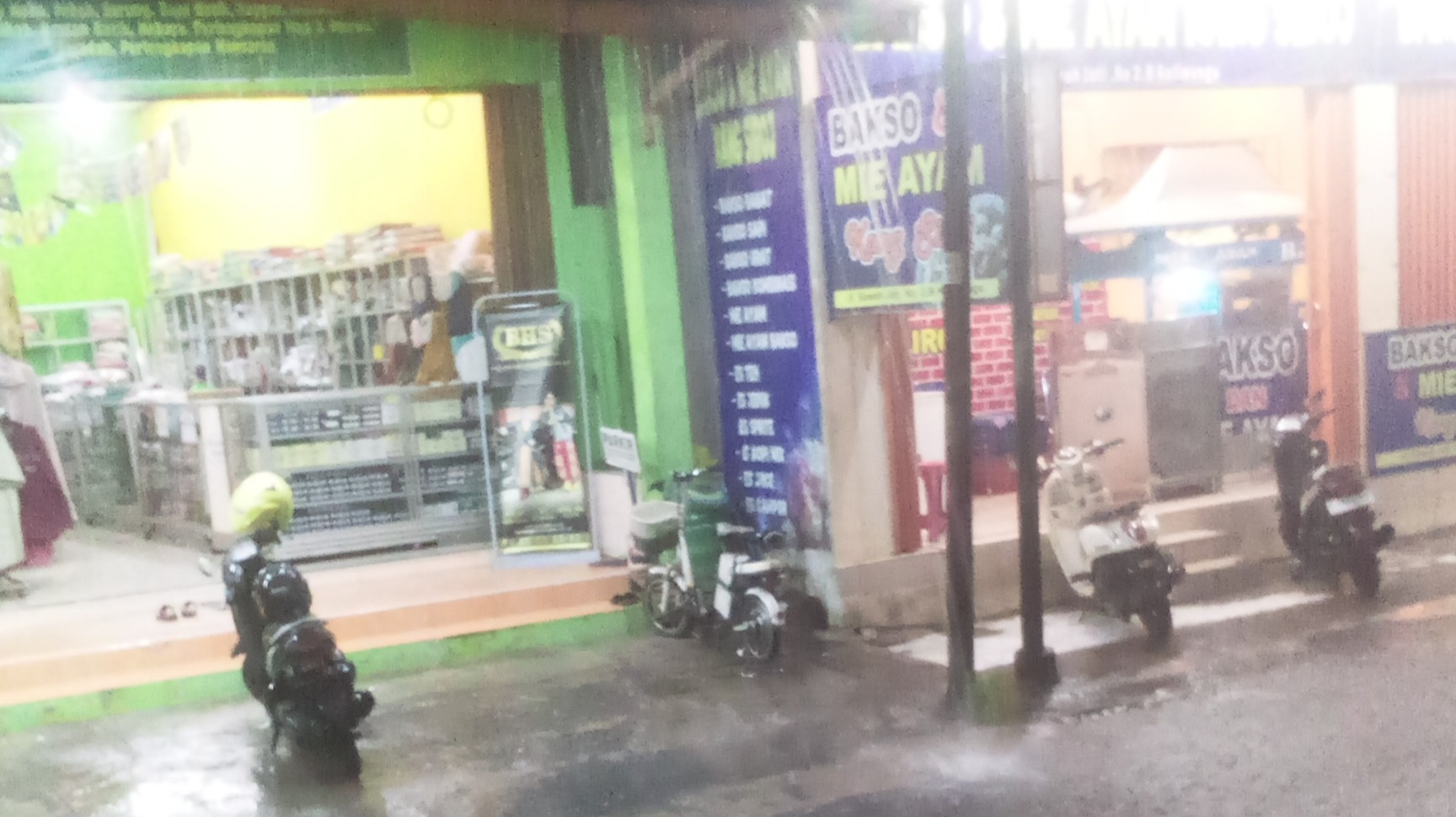
Today, the challenge didn't come from a server crash, but from the sky. A heavy tropical rain poured down, turning the streets slick and dangerous. For the safety of myself and the customer’s package wrapped tightly in my bag, I pulled over under the canopy of a roadside stall to wait the storm out.
But instead of just wasting time watching the rain hit the asphalt, I opened my BitDegree dashboard right from my phone. It was the perfect moment to study the genesis of it all: Bitcoin.
The Birth of Bitcoin
Bitcoin was conceived in response to the financial crisis of 2008. Satoshi Nakamoto published the Bitcoin Whitepaper titled “Bitcoin: A Peer-to-Peer Electronic Cash System.” The paper outlined a decentralized, cryptographic currency that would eliminate the need for intermediaries such as banks.
On January 3, 2009, Nakamoto mined the first block of the Bitcoin blockchain, known as the Genesis Block (Block 0). Embedded in it was a message referencing the failing banking system:
“The Times 03/Jan/2009 Chancellor on brink of second bailout for banks.”
The Ojol Perspective:
Think of Bitcoin’s birth like a group of drivers getting deeply frustrated when a centralized ride-hailing app suddenly increases its commission cuts or experiences a massive server crash that leaves everyone stranded without income. Satoshi created Bitcoin because he wanted to build an independent financial system—a system that doesn't rely on a single central company or bank to function.
How Bitcoin Works
Bitcoin operates on a decentralized network, where transactions are verified by nodes and recorded on an immutable blockchain. The network uses a consensus mechanism called Proof of Work (PoW), requiring miners to solve complex mathematical problems to validate transactions and secure the network.
Key components of Bitcoin include:
- Blockchain: A public ledger that records all Bitcoin transactions.
- Mining: The process of validating transactions and adding them to the blockchain.
- 21 Million Supply Cap: Bitcoin has a fixed supply, making it a scarce digital asset.
The Ojol Perspective on Mining & Supply:
- PoW Mining is exactly like our daily hustle to grab orders. To get a ride, you must turn on your bike, spend money on gasoline (energy), brave the heavy traffic, and compete with thousands of other drivers. The driver with the fastest phone, best location, and most effort secures the order. In Bitcoin, miners spend high computational energy to secure transactions, and the winner gets newly minted Bitcoin as a reward.
- The 21 Million Cap is like if our driver community agreed that only 21 "Super-Priority (Gacor)" accounts could ever exist in the city. Because these accounts are highly limited and cannot be duplicated, their value would skyrocket as more drivers try to buy or obtain them. This scarcity is why Bitcoin is often called "Digital Gold."
Bitcoin’s Early Adoption and the Pizza Day
In Bitcoin’s early days, only cryptography enthusiasts and developers took an interest. The first notable commercial transaction occurred on May 22, 2010, when programmer Laszlo Hanyecz purchased two pizzas for 10,000 BTC, now celebrated worldwide as Bitcoin Pizza Day.
Bitcoin began gaining mainstream attention as more people recognized its potential as a decentralized currency free from government control.
The Ojol Perspective:
This is just like the early days of ride-hailing apps years ago. Imagine a driver who accepted a few digital "points" from a passenger to buy a real plate of nasi rames at a local warung. At that time, people thought those digital points were worthless paper chips. Today, that exact digital network drives entire economies and feeds millions of families.
Why Bitcoin Matters vs. Cash (Rupiah)
Bitcoin introduced key innovations that shaped the cryptocurrency industry:
- Decentralization: No central authority controls Bitcoin, making it censorship-resistant.
- Security: Transactions are secured through cryptographic hashing and PoW mining.
- Limited Supply: With only 21 million BTC, it acts as a hedge against inflation.
To see how it structurally differs from the money we carry in our pockets every day, here is a quick breakdown:
Feature
Traditional Cash (Fiat / Rupiah)
Bitcoin (BTC)
Control
Centralized (Controlled by Central Banks)
Decentralized (Controlled by Global Users)
Supply
Unlimited (Government can print more)
Strictly Limited (Only 21 Million will ever exist)
Transaction Cut
Subject to bank admin fees and processing delays
Peer-to-Peer, works 24/7 without middlemen
Challenges and Criticism
Despite its historic success, Bitcoin has faced a few bumps on the road:
- Scalability: Limited transaction throughput compared to traditional giant payment networks.
- Energy Consumption: PoW mining requires significant computational power and electricity.
- Regulatory Uncertainty: Governments worldwide continue to debate Bitcoin’s legality, compliance, and taxation.
Conclusion
Bitcoin’s creation marked a turning point in financial history, introducing a decentralized, secure, and transparent form of money. From its genesis block to mainstream adoption, Bitcoin has paved the way for thousands of cryptocurrencies and the growth of blockchain technology.
Despite the challenges, it remains the most influential digital asset on earth. Just like maintaining a healthy engine keeps my motorcycle running safely through the city streets, understanding Bitcoin gives us the baseline engine to navigate the vast frontier of Web3.
Okay guys, the rain has stopped, it's time to continue the struggle in the real world.a new ride order just popped up, and it's time to hit the asphalt for my evening shift. We will continue our learning journey and explore the next chapter soon!! NEVER ENDING STUDY IS THE KEY 😊
Want to read the full comprehensive lesson and start learning Web3 for free like me? You can access the complete module directly on my BitDegree dashboard here:
https://stude.co/a/MYsBEqTDeCvNPuNo