When I was young, I used to think that the road ended at Rohtang. Now that I have grown wiser, I know that it just begins. That one summer trip to Spiti Valley was when I realized how vast and beautiful the world is. The colors of Spiti Valley were quite unbelievable. I clicked many pictures from different angles at different times of the day!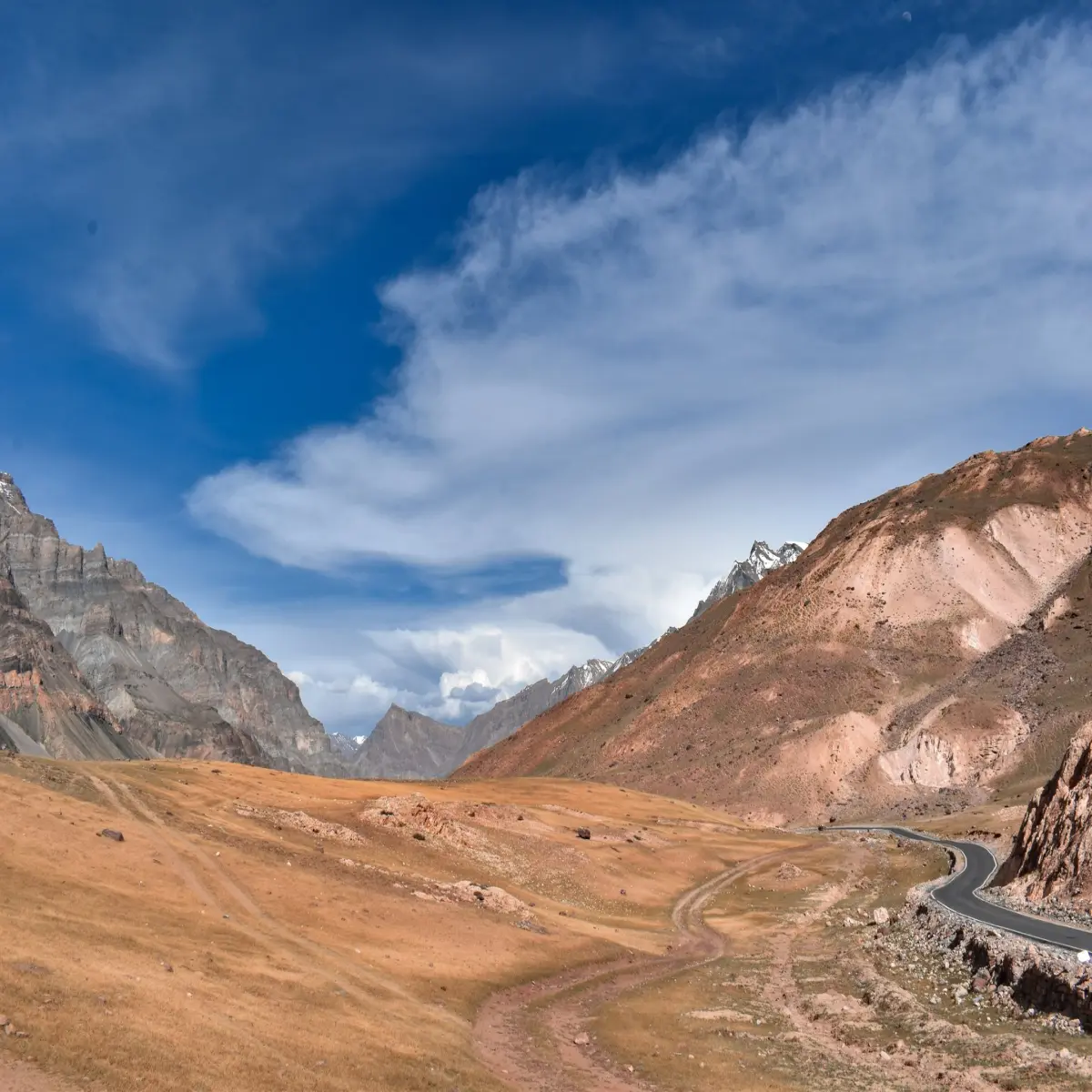
The unadulterated beauty of Spiti Valley doesn't need any filters. A land that has been hidden away for so long is already being inundated by tourists.
Life isn't going to be a straight road. The twists and turns are our tests of happy and sad moments! We all go through good times and bad times, but it's how we handle these challenges that define us. Life is a beautiful journey, full of ups and downs. Embrace the challenges and enjoy the ride!
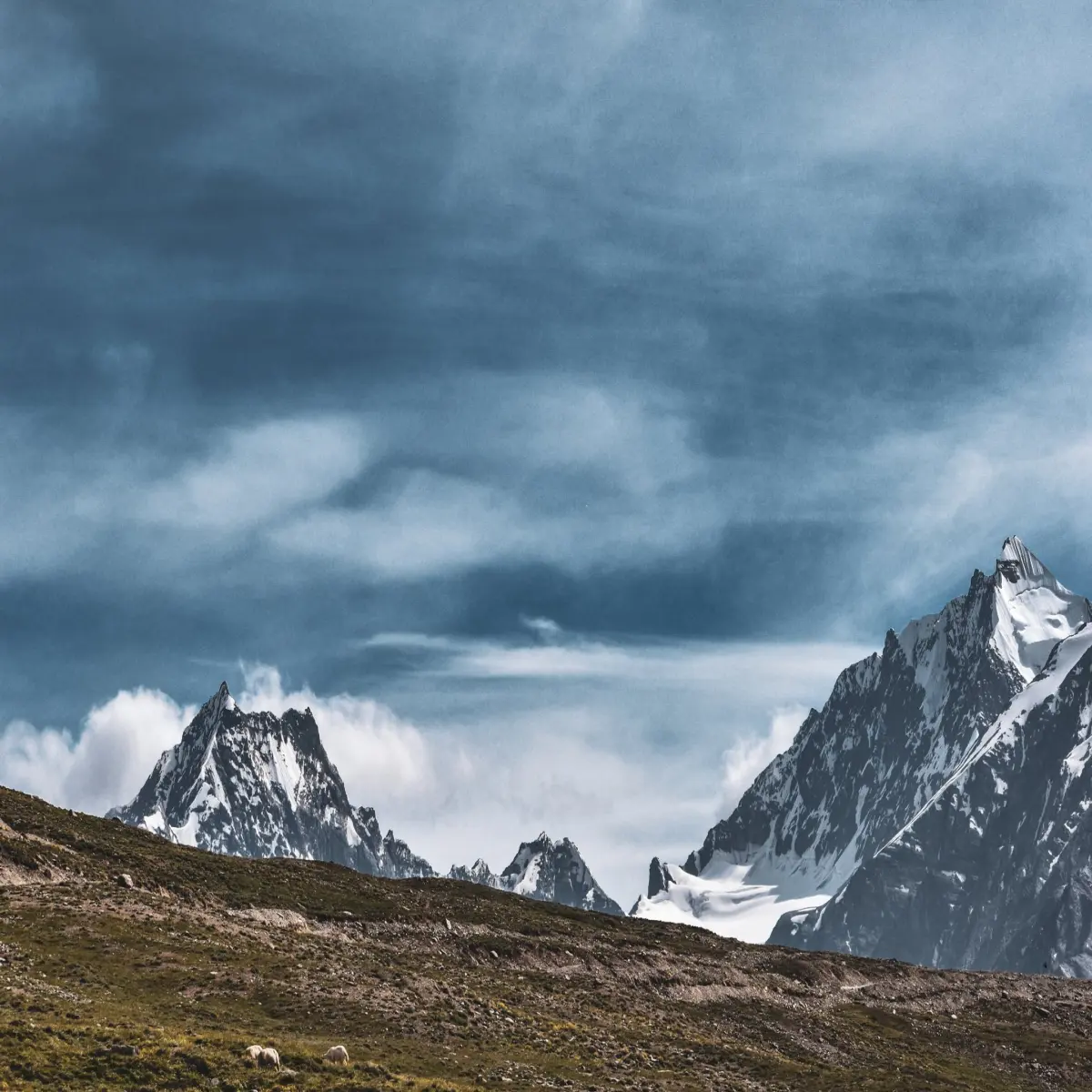
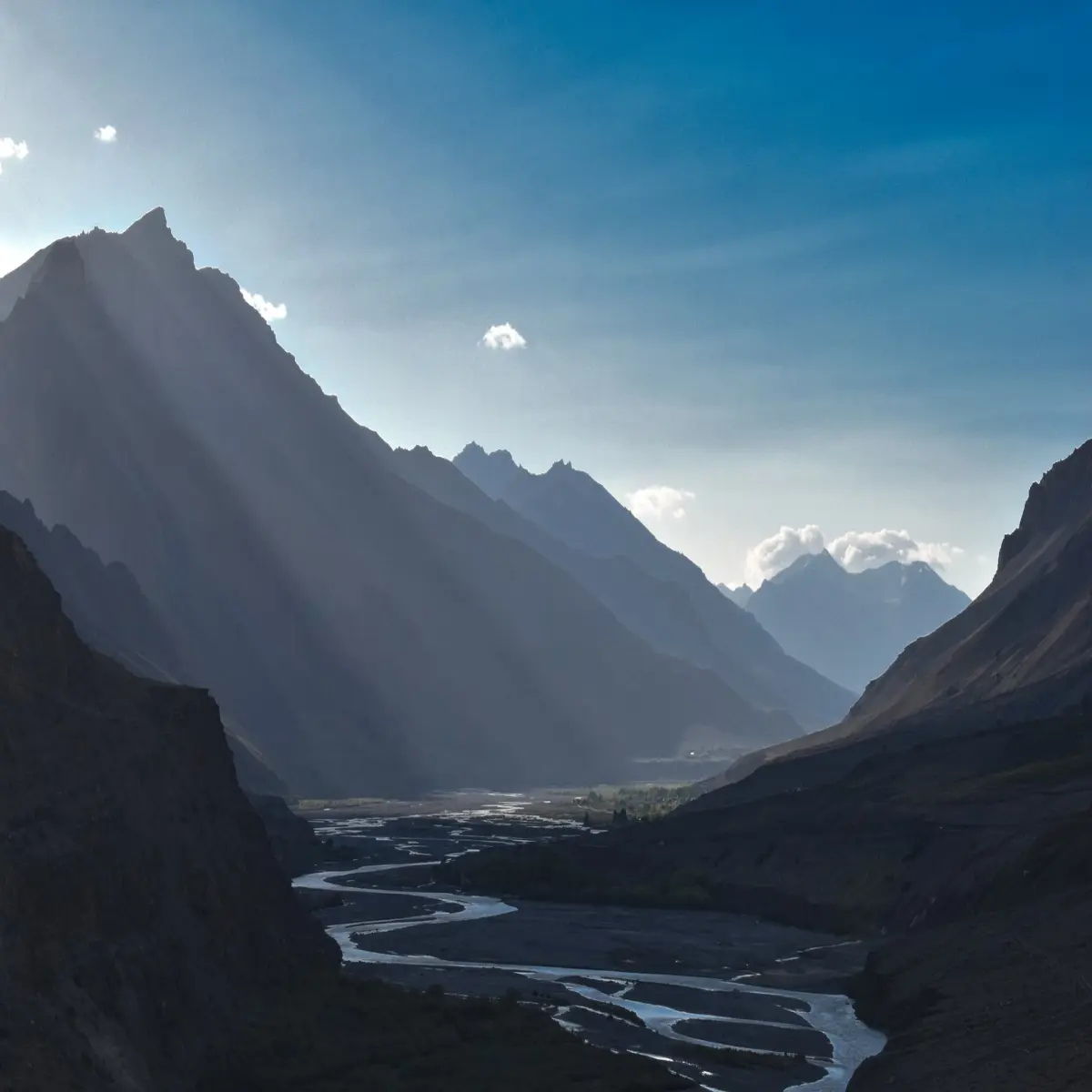
No matter how many times we go on the Spiti Valley tour, one can never have enough of these deep blue skies, meandering roads with sparkling streams accompanying them nonchalantly and fluffy clouds that feel as if they are dancing!
About Spiti Valley
Spiti Valley – the middle land – is the place where God lives. Although, there is always the effort that writers make with their wordplay, after a stay in this part of the world within a world, you would agree with Kipling to the fullest. Where else in the world are there such:
- brown barren mountains,
- the sky as blue as the sea,
- clouds endlessly floating towards the horizon,
- small picturesque village,
- monasteries in the most remote places for men,
- rivers sketched with cliffs, flowing in twists and turns in a valley far below,
- the night sky sparkling with thousands of bright stars,
- people who welcome strangers with a wide smile as if they were their own?
If the gods needed a place on earth, it could be Spiti.
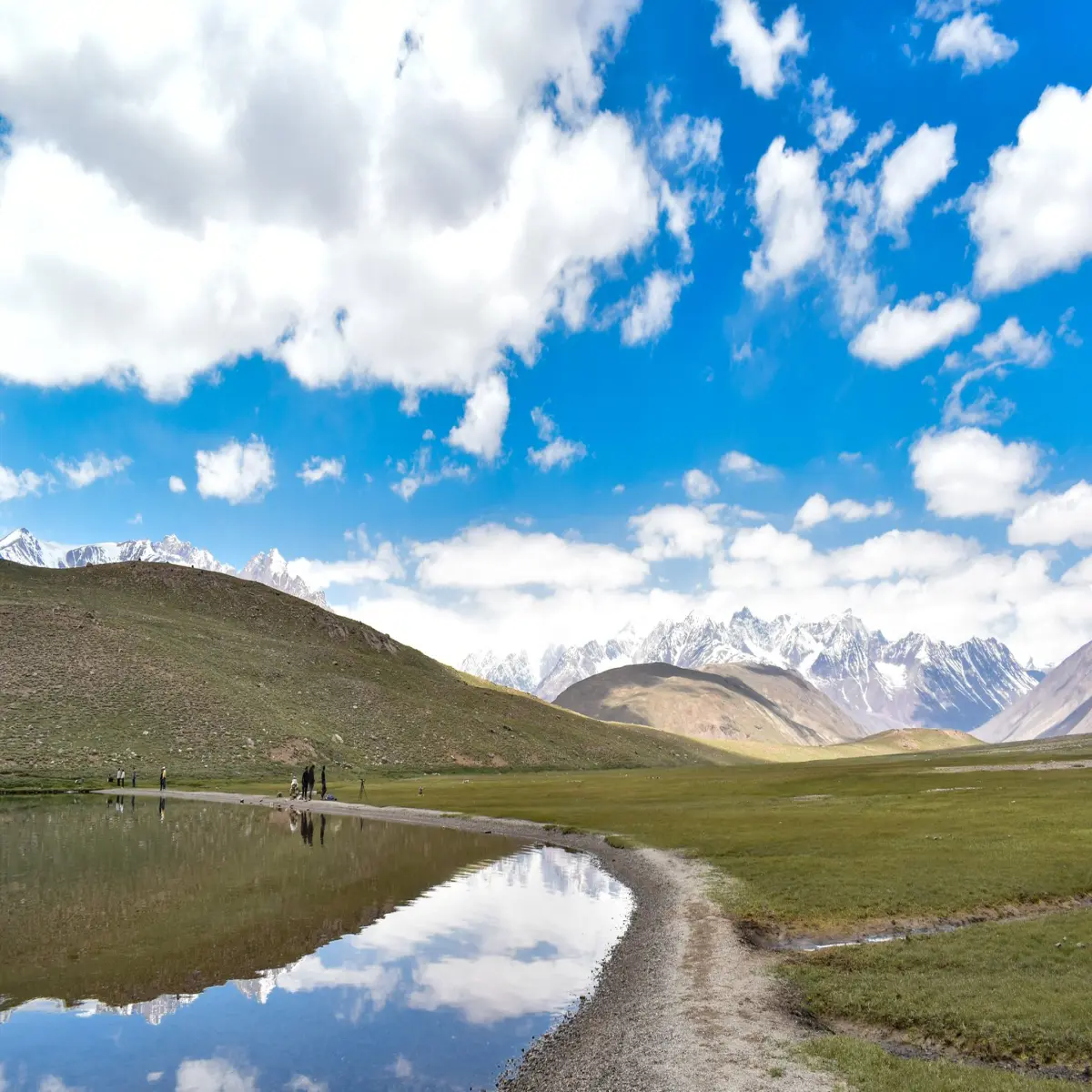
The route from Shimla to Spiti Valley passes through Narkanda, Rampur Bushahr (a former principality of the Bushahr dynasty), and Kinnaur to Khab, where the Spiti River joins the Satluj River. From Khab, a series of bends called Ka-loops (named after Ka village) climbs for 10 km to enter the barren land of the Hangrang Valley of Kinnaur.
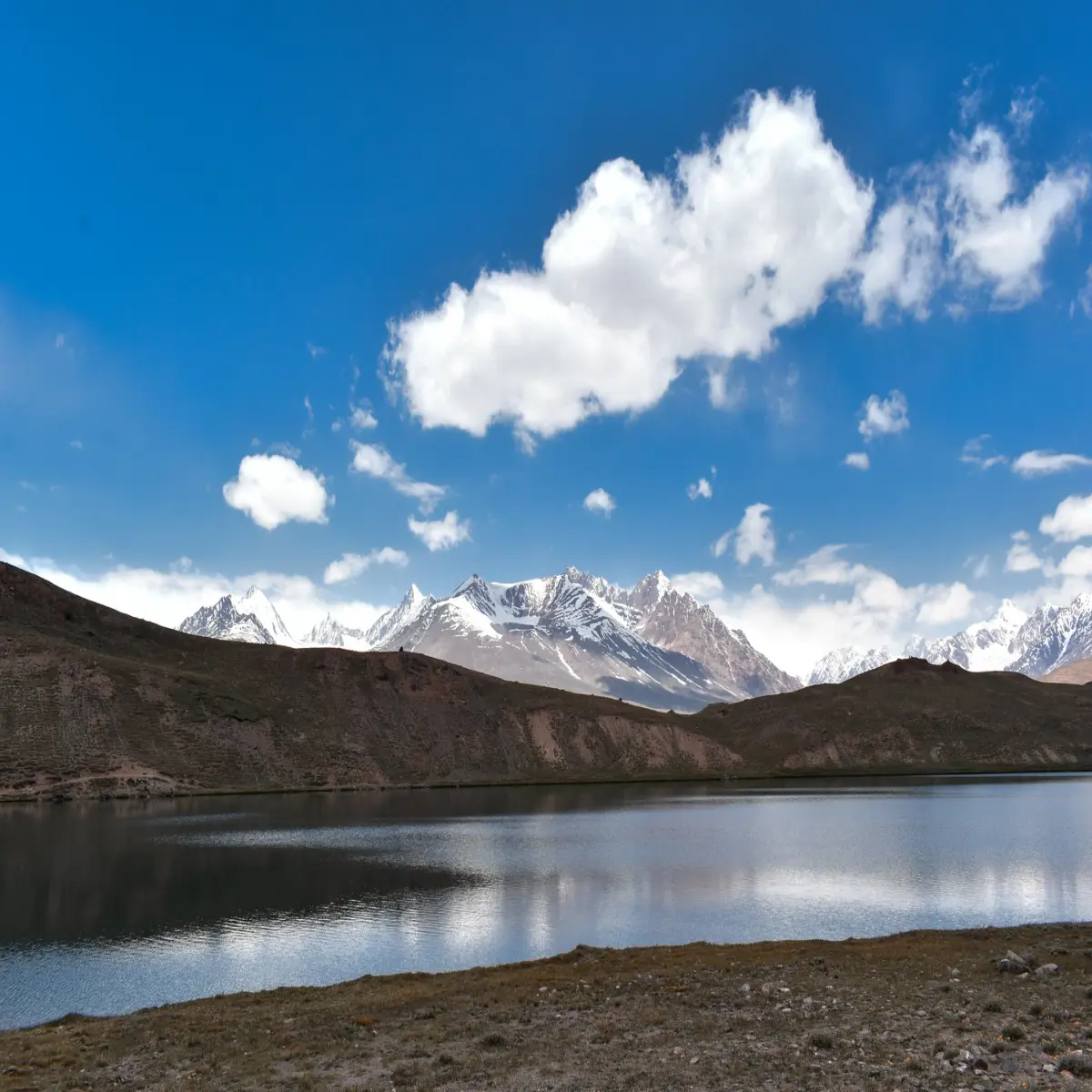
The trans-Himalayan terrain begins here. Around 30 km north-west of Khab, one enters the valley of Spiti at the checkpoint of Sumdo ITBP. At Sumdo, the Para-Chu stream (a mountain stream from Tibet) merges with the Spiti River. Kaza (also spelled as Kaja) is placed on the left bank of the Spiti River.
The Kinnaur-Spiti road route is full of treacherous, unpaved roads. Some of the most dangerous sections are Nigulsari-Tranda, Karcham-Shongtong-Powari, and Powari-Pangi Nallah-Ribb road stretch in Kinnaur.
The Spiti valley is home to the infamous Malling Nalla stretch, where glacier-melted streams often cause landslides. A few meters of the road gets washed away in the monsoon season, making it impassable for many.
Itinerary of my Spiti round trip
Day 1: Chandigarh to Narkanda: Drove from Chandigarh
to Narkanda. Stayed at a Hotel.
Day 2: Visited to Hatu temple and relished mountain ranges from there. Drove to Sarahan (distance around 120 km). Stayed at Shrikhand hotel.
Day 3: Sarahan to Chitkul: Sarahan is a beautiful village renowned for historical Bhimakali temple, which is about 1500 years old. Visited Sarahan Pheasantry, a bird sanctuary of a near extinct bird species. Drove to Chitkul and stayed there in a homestay.
Day 4: Chitkul to Kalpa: Chitkul is the last village on Indo-Tibet border, nestled in the beautiful Baspa valley. Visited Chitkul mata temple and drove to Sangla. Hiked to Bering Nag temple at Sangla. Visited to ancient fort at Kamru village. Drove to Kalpa. Stayed at hotel Kinner Villa.
Day 5: Kalpa to Charang: Kalpa offers splendid view of Kinner Kailash ranges. One can view Kinner Kailash peak & Shivlingam, Raldang peak & Jorakanden peak. Explored places around Kalpa like Chini market and village, monastery and Kalpa Narayanes & Vishnu temple. Drove to Charang village & camped there.
Day 6: Charang to Nako: Walk in village Charang and visited Rangrik monastery which is thousands year old. Charang has Zanskar kind of landscape and mud houses and similar to houses built by the people Zanskar region. Drove to Thangi and visit to Lochwa monastery at Thangi village. Visited Moorang fort and Moorang village. Stayed at Knaygoh Kinner Camps in Nako.
Day 7: Nako to Tabo: Got overwhelmed by serenity of Nako Lake against the backdrop of Nako village. Visited to Nako monastery and drove to Tabo. Stayed at a hotel there.
Day 8: Tabo to Kaza: Explored Tabo village and Tabo monastery. Drove to Dhankar monastery & then to Mud village in Pin valley. Stayed at Kaza in a hotel.
Day 9: Drove to Ki monastery: Visited Kibbe, Komic (the highest village in Asia), Langza, Hikkim and Demul village and stayed at in Zostel, Kaza.
Day 10: Drove from Kaza to Kunzum top and camped at Chandertal Lake.
Day 11: Chandertal to Manali via Rohtang pass. Stay at Zostel, Manali.
Day 12. Manali to Chandigarh.
All images by Arvind Negi.