
The Food Industry Meets Blockchain 🌟🚀
The food industry is undergoing a massive transformation, thanks to blockchain technology. Imagine a world where you can trace your food’s journey from farm to table with complete transparency! Blockchain is making this possible, ensuring food safety, reducing fraud, and enhancing consumer trust. But how exactly does this work? Let’s explore the fascinating world of blockchain in food!
What is Blockchain and How Does It Work? 🛠️🔐
Blockchain is a decentralized digital ledger that records transactions securely and transparently. It consists of blocks of information linked together, making it tamper-proof and highly reliable.
Key Features of Blockchain:
✅ Decentralization - No single authority controls the data. ✅ Transparency - Anyone can verify transactions. ✅ Immutability - Once recorded, data cannot be altered.
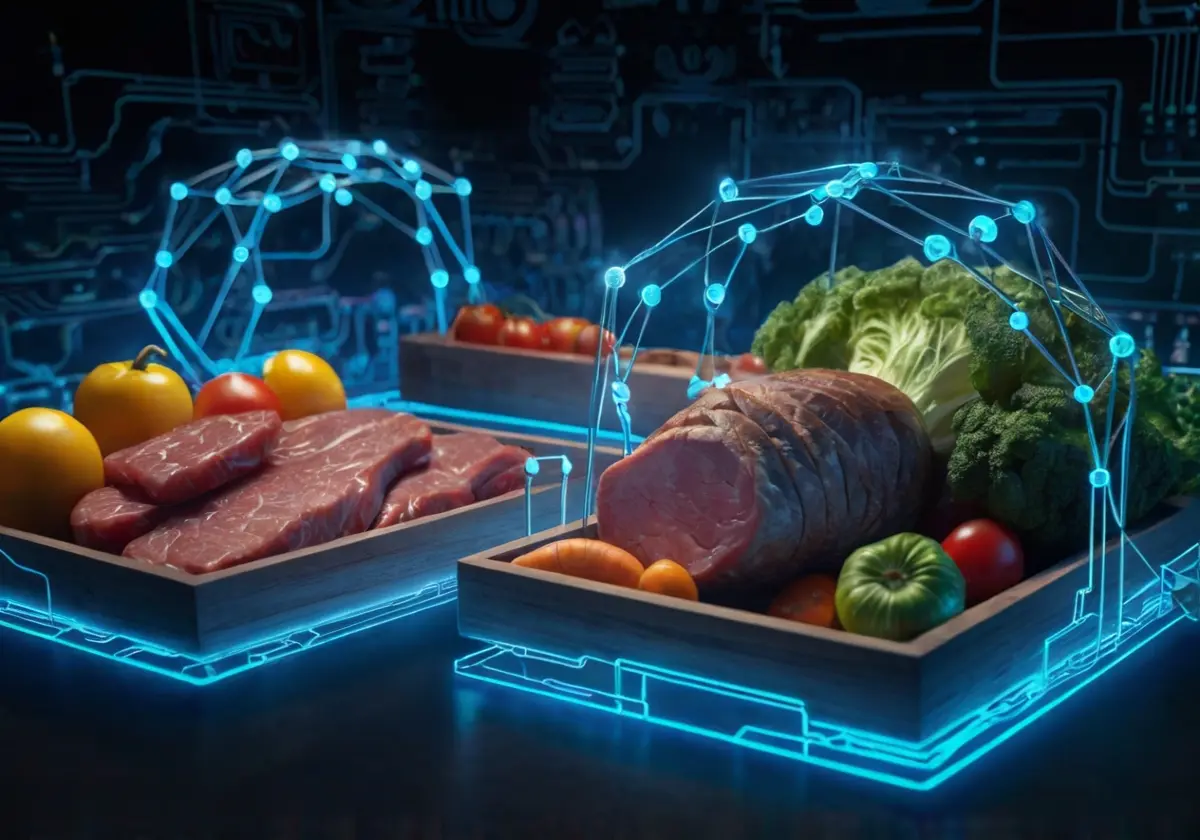
Why the Food Industry Needs Blockchain 🤖🔦
The food industry faces several challenges, including:
-
Food Fraud – Fake or mislabeled food items.
-
Lack of Transparency – Consumers don’t always know where their food comes from.
-
Slow Recalls – Tracing contaminated food takes too long.
Blockchain addresses these issues by ensuring complete traceability, reducing food waste, and improving safety.
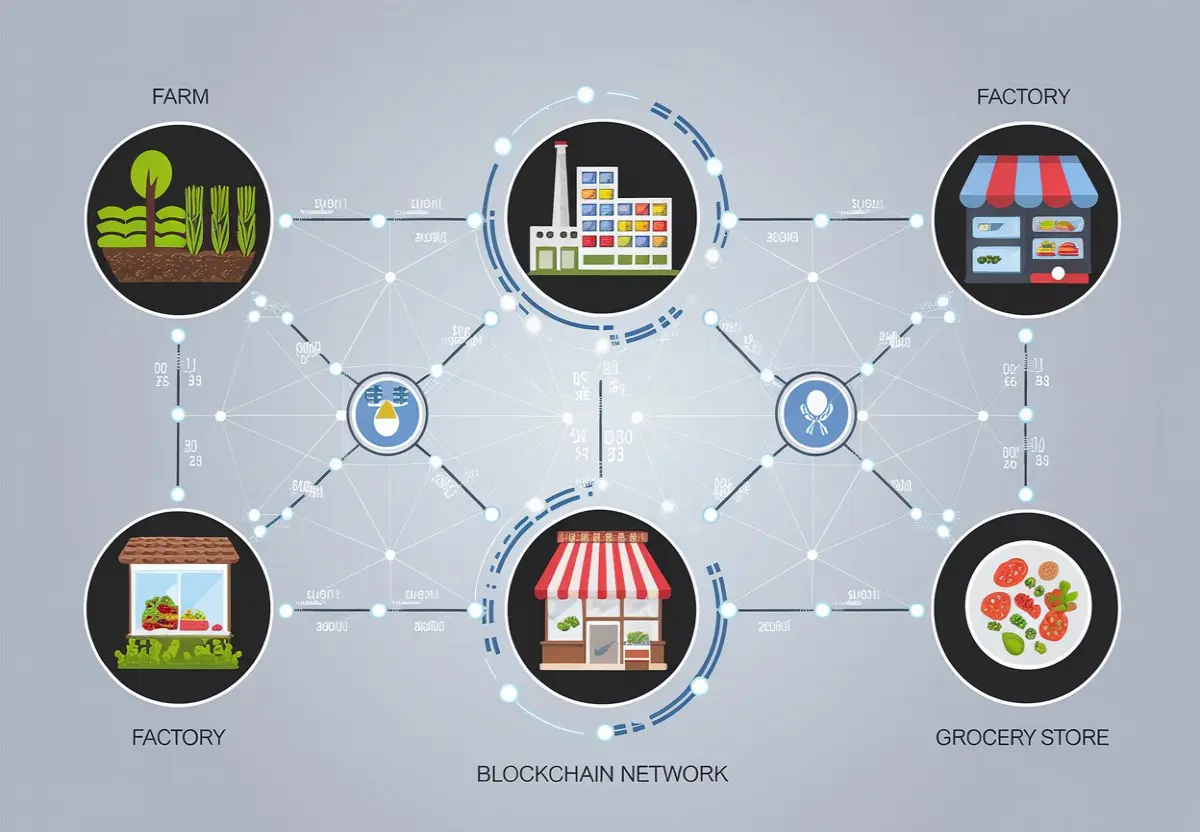
How Blockchain is Transforming the Food Industry 🌿💡
1. Food Traceability & Safety 📝🍽️
Consumers can now scan a QR code on their food packaging and instantly know where their food came from, how it was produced, and whether it meets quality standards.
Example: Walmart and IBM’s blockchain partnership ensures food safety by tracking leafy greens in real-time.
2. Preventing Food Fraud 🌮🚫
Fake olive oil? Adulterated honey? Blockchain helps verify the authenticity of food items, preventing food fraud and protecting consumers.

3. Fair Trade and Ethical Sourcing 🌿🌱
Blockchain ensures that farmers and food producers get fair wages by making supply chains transparent. Consumers can verify that their coffee, chocolate, or seafood was ethically sourced.
Example: Starbucks uses blockchain to track coffee bean origins and ensure fair wages for farmers.
4. Reducing Food Waste & Enhancing Sustainability 🌱👀
With better tracking, retailers and suppliers can optimize inventory, reducing food spoilage and waste. This leads to a more sustainable food system.
Blockchain and Cryptocurrency in the Food Industry 🚀💎
1. Crypto Payments in Restaurants 🍜💵
Restaurants worldwide are now accepting Bitcoin, Ethereum, and stablecoins as payment options. Crypto payments are fast, secure, and borderless.
Example: Burger King Venezuela accepts crypto due to high inflation, making digital payments more practical.

2. Smart Contracts for Food Supply Chains 👩🌾🔒
Smart contracts automatically enforce agreements between farmers, suppliers, and retailers, ensuring fair and transparent transactions.
Example: IBM’s Food Trust blockchain helps companies like Nestlé and Unilever manage smart contracts.
Challenges and Limitations of Blockchain in Food Industry 🚫💪
While blockchain offers game-changing benefits, it also comes with challenges:
-
High Implementation Costs
-
Scalability Issues
-
Need for Industry-Wide Adoption
Despite these challenges, blockchain is steadily becoming a necessity in food tech.
The Future of Food & Blockchain 🌍🚀
The future looks exciting with blockchain enabling:
-
Personalized nutrition tracking
-
AI-driven food recommendations
-
Hyper-secure food transactions
The combination of blockchain, food, and crypto is just getting started!

Conclusion: Embrace the Blockchain Food Revolution! 🎉🍽️
Blockchain is revolutionizing the food industry by enhancing traceability, safety, sustainability, and efficiency. As more businesses embrace blockchain, consumers will benefit from healthier, safer, and more ethical food choices.
💡 What do you think about blockchain in food? Would you trust a blockchain-powered food system? Let us know in the comments!
🔗 Stay updated with the latest in food & blockchain by following our blog! 🚀
For Delicious Recipes Visit Food Blog:





