
🌍 The Need for Transparency in Our Food Supply
Food safety and authenticity have become growing concerns in today’s world. Consumers want to know where their food comes from, how it is processed, and whether it meets safety standards. Unfortunately, traditional food supply chains often lack transparency, making it difficult to trace the journey of food from farm to table. This is where blockchain technology steps in, revolutionizing the way we track and verify our food.
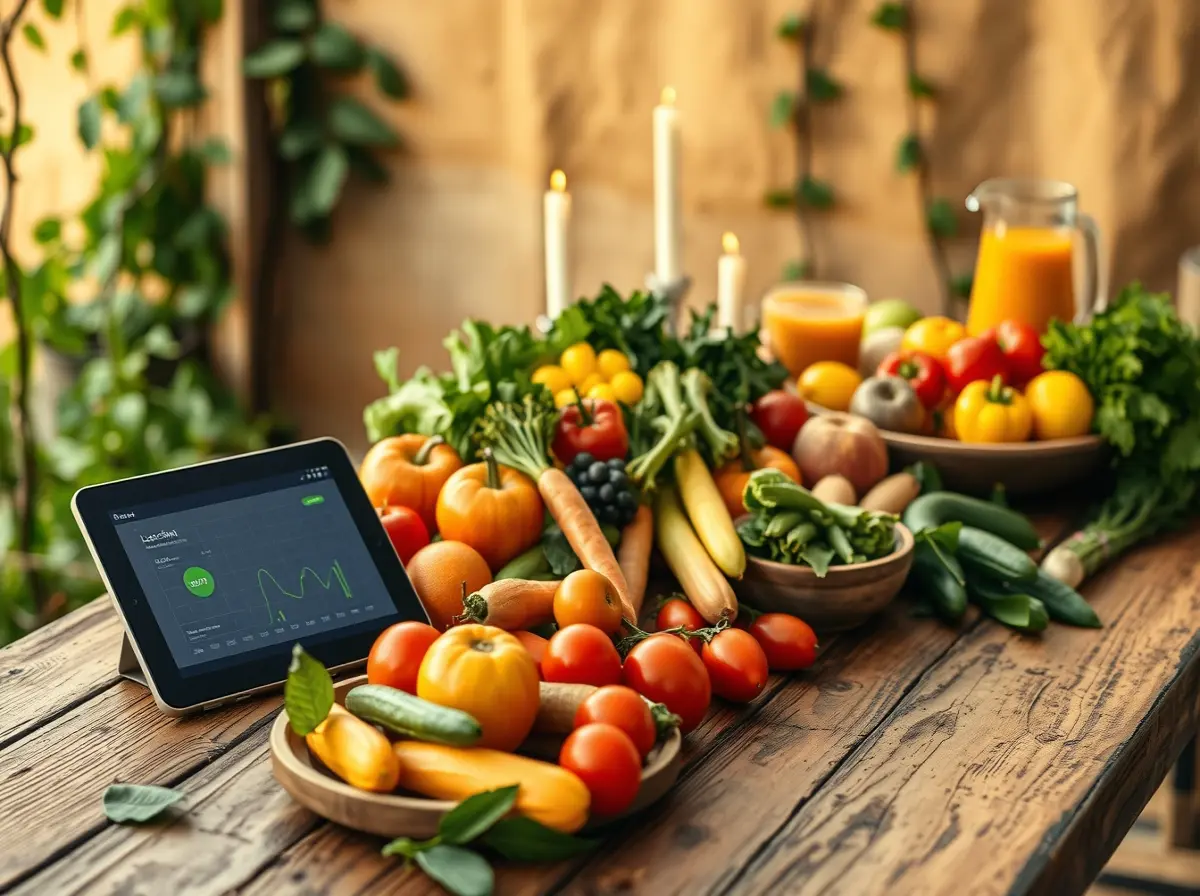
🔗 What is Blockchain & How Does It Work in the Food Industry?
Blockchain is a revolutionary digital ledger that records transactions securely, transparently, and permanently. Unlike traditional databases, blockchain is decentralized, meaning no single entity has control, making it resistant to fraud and manipulation. Every transaction is time-stamped, encrypted, and linked to previous records, creating a secure and tamper-proof chain of data.
In the food industry, blockchain is transforming supply chain management by ensuring food safety, authenticity, and quality. It provides a clear and immutable record of a food product’s journey from farm to table, allowing consumers, retailers, and regulators to verify its origin, handling, and authenticity with just a few clicks.
✅ Key Features of Blockchain in the Food Supply Chain:
🔹 Immutability: Once recorded, data cannot be altered or deleted, ensuring reliability and trustworthiness in tracking food origins.
🔹 Real-Time Traceability: Each stage of the supply chain—farming, processing, transportation, and retail—is documented in real-time. This allows quick identification of contamination sources or supply chain inefficiencies.
🔹 Decentralization: No single authority controls the data, reducing the risk of corruption, manipulation, or false reporting.
🔹 Smart Contracts: Blockchain automates compliance with food safety standards through smart contracts, which trigger actions like quality checks, payments, or recalls when specific conditions are met.
🔹 Enhanced Consumer Trust: With access to transparent and verified information, consumers can make informed purchasing decisions, supporting brands that prioritize ethical sourcing and quality assurance.
By integrating blockchain into the food supply chain, businesses can not only improve operational efficiency but also build stronger relationships with consumers who demand authenticity and safety in their food choices. 🚀🍽️
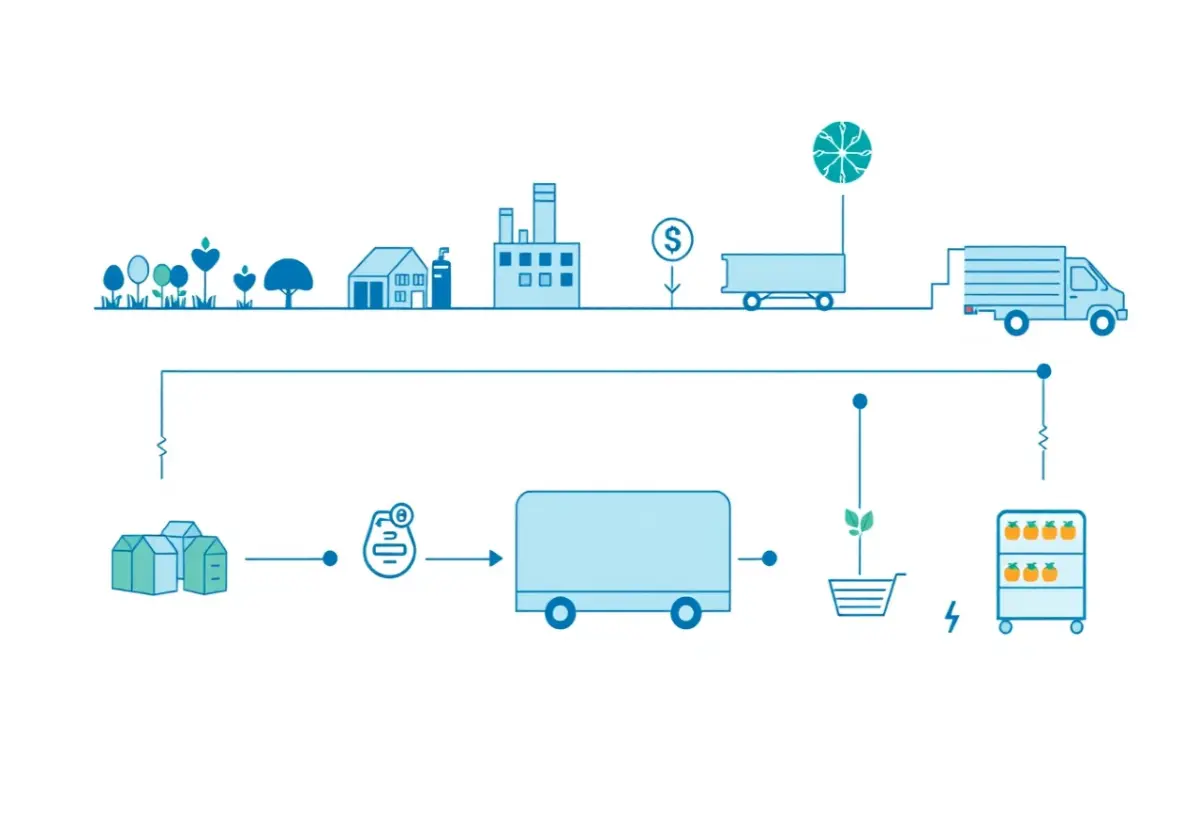
🏭 How Blockchain Enhances Food Safety & Quality
Blockchain technology is transforming food safety, reducing fraud, contamination, and inefficiencies in the food supply chain. By leveraging this innovative technology, businesses and consumers can gain greater transparency, trust, and efficiency in food production and distribution. Here’s how blockchain is making food safer and more reliable:
🛡️ Preventing Food Fraud
Food fraud, including counterfeit products, mislabeling, and adulteration, is a billion-dollar problem affecting consumer trust and health. Blockchain enables businesses to verify the authenticity of ingredients and finished products by maintaining an immutable digital record of every transaction. With QR codes or RFID tags, customers can scan and check the entire journey of their food—from farm to table—ensuring they get exactly what they pay for.
🧼 Reducing Food Contamination & Recalls
Foodborne illnesses can be devastating, leading to widespread recalls, financial losses, and health risks. Blockchain allows real-time tracking of food batches, ensuring that each item is traceable back to its origin in seconds. If contamination occurs, affected products can be quickly identified and removed from shelves before reaching consumers. This not only protects public health but also reduces unnecessary food waste by precisely targeting the contaminated batches instead of recalling entire product lines.
🌿 Promoting Ethical & Sustainable Sourcing
Consumers today prioritize ethically sourced and organic foods. Blockchain creates a tamper-proof record of farming practices, labor conditions, and environmental impact. This ensures that food items labeled as organic, fair trade, or sustainably sourced truly meet these standards. Farmers and suppliers who adhere to ethical practices gain consumer trust, while buyers can make informed purchasing decisions, supporting eco-friendly and humane food production methods.
By implementing blockchain in food supply chains, businesses can create a safer, more transparent, and sustainable food industry, benefiting both producers and consumers alike. 🍏🔗✅
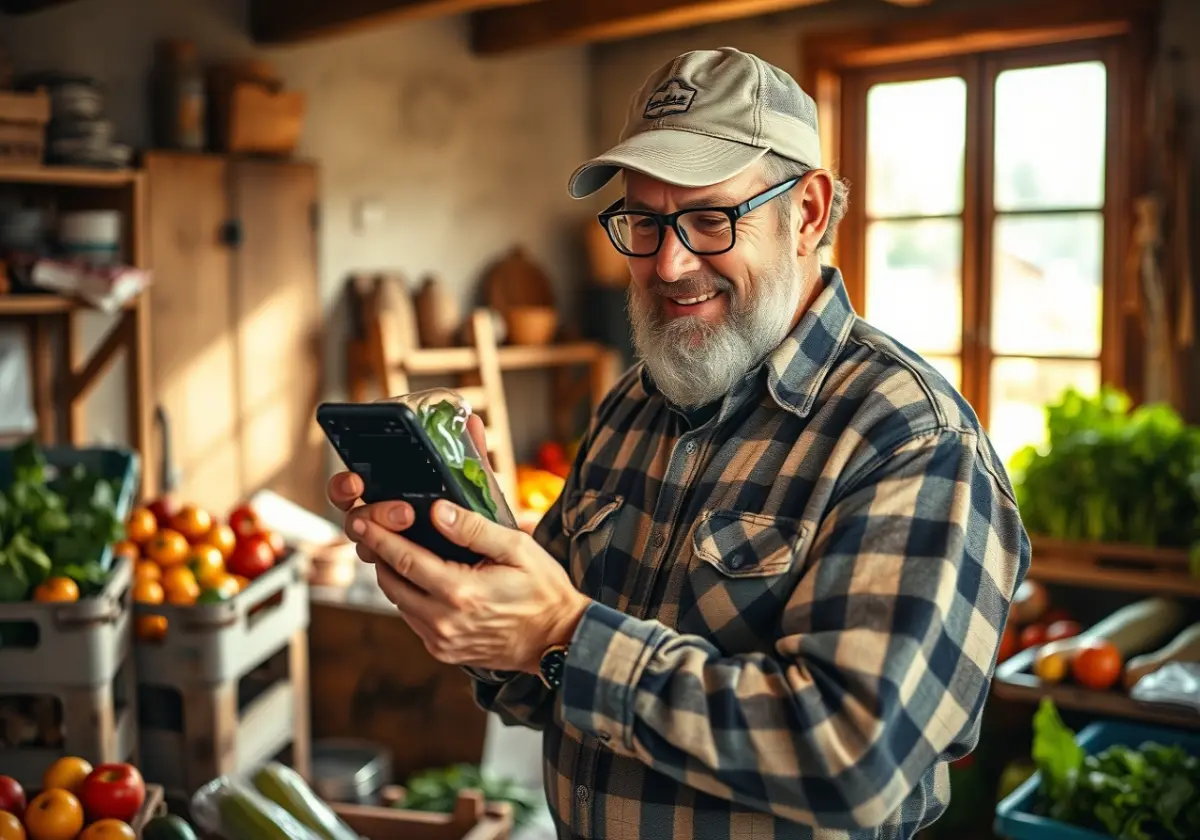
🛒 Real-World Applications: Companies Using Blockchain for Food Safety
Blockchain technology is already transforming the food industry, with major global brands adopting it to improve transparency, quality, and trust. Here’s how some industry leaders are leveraging blockchain for food safety:
🍫 Nestlé – Ensuring Ethical Cocoa Sourcing Nestlé utilizes blockchain to provide full traceability of its chocolate products. Consumers can verify that the cocoa beans used in their favorite chocolate bars come from sustainable and ethical farms, ensuring fair wages for farmers and responsible agricultural practices.
🥩 Walmart – Enhancing Meat Safety & Quality Control Walmart has integrated blockchain into its supply chain to track the entire journey of meat products, from farm to shelf. This technology allows for instant identification of contaminated or expired batches, significantly reducing health risks and improving food safety standards.
🥑 Carrefour – Authenticating Organic & Fresh Produce Carrefour, a leading European supermarket chain, leverages blockchain to track organic produce, dairy, and poultry. Shoppers can scan QR codes on products to access real-time information about their origin, farming methods, and certification, empowering them to make informed purchasing decisions.
🌾 IBM Food Trust & Major Food Brands – Boosting Transparency in the Industry Several brands, including Unilever, Tyson Foods, and Dole, have partnered with IBM Food Trust to implement blockchain technology. This initiative ensures better food traceability, reduces waste, and enhances overall consumer confidence in food quality and safety.
Blockchain’s growing role in the food industry is making it easier for consumers to trust what they eat, while also pushing businesses toward greater accountability and sustainability. 🚀
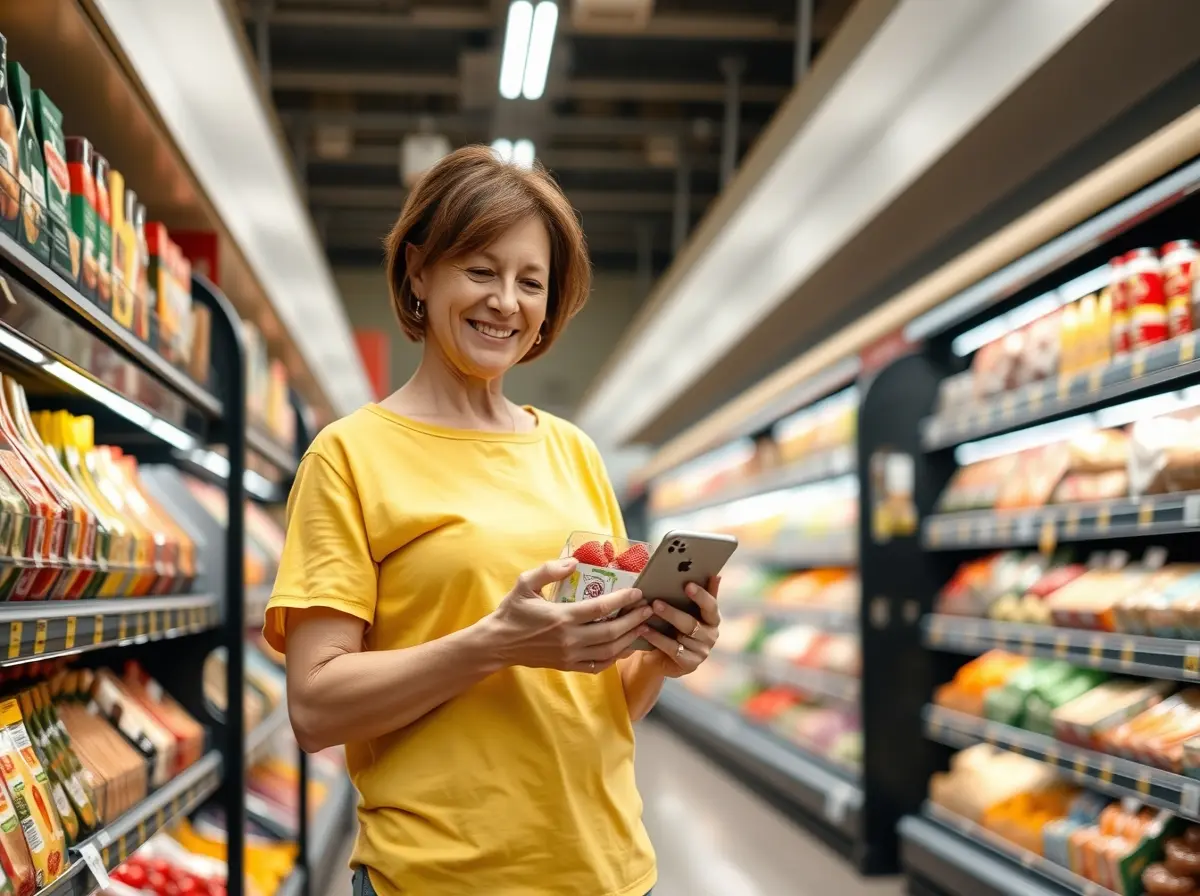
🔮 Future of Blockchain in Food: What’s Next?
As blockchain adoption continues to grow, we can expect exciting innovations in food safety and transparency:
🌱 Smart Labeling with QR Codes
Consumers will be able to scan QR codes on food packages to view real-time blockchain data about the product’s origin and journey.
🤖 AI & Blockchain Integration
Artificial intelligence will work alongside blockchain to analyze food safety data, predict contamination risks, and optimize supply chain efficiency.
🏆 Incentivized Food Safety Programs
Blockchain-based reward systems will encourage farmers and suppliers to maintain higher safety standards.
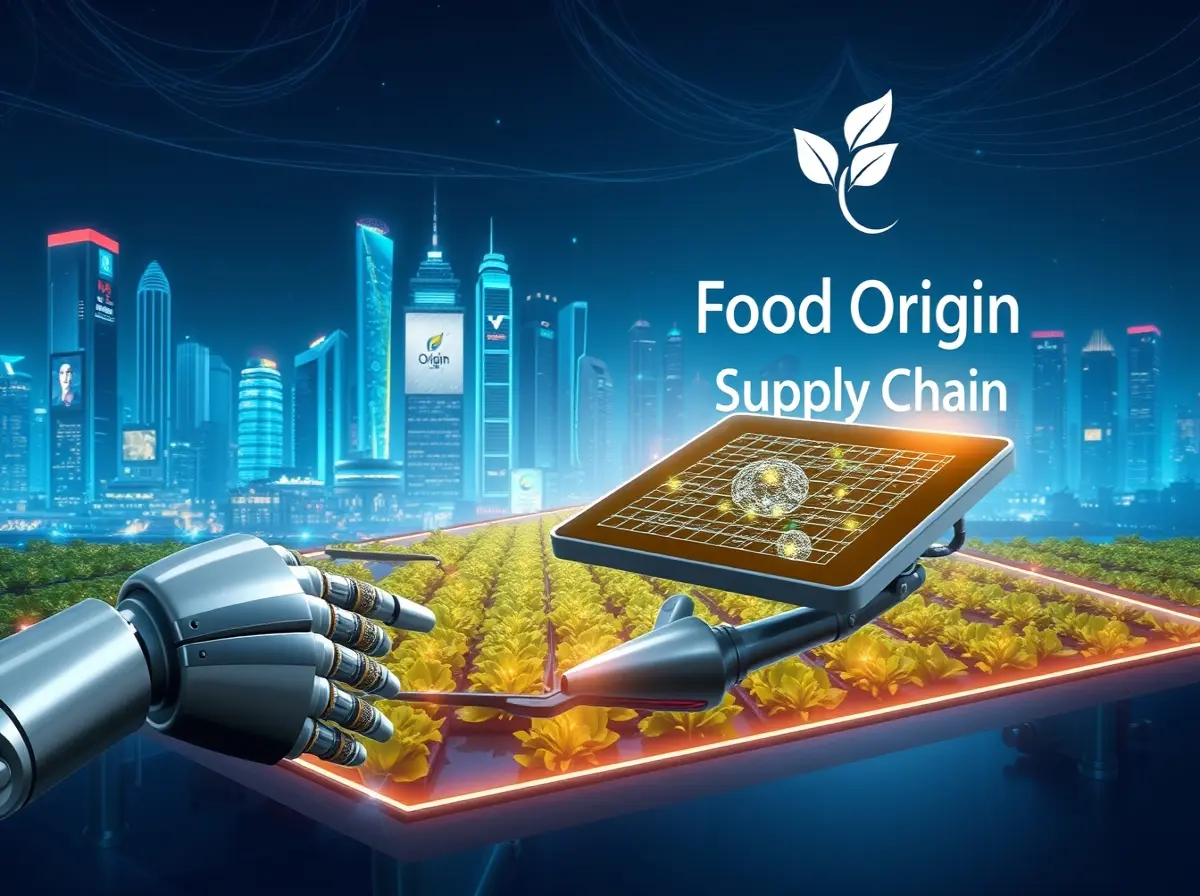
🎯 Final Thoughts: How Blockchain is Transforming Food Safety & Authenticity!
Blockchain technology is not just a trend; it’s a revolutionary force in the food industry. By enabling full traceability from farm to table, it enhances food safety, combats fraud, and ensures that consumers get exactly what they pay for. The ability to verify the source, handling, and quality of food in real-time is a game-changer for the entire supply chain.
Here’s how you can benefit from blockchain-powered food safety:
🔹 Make Informed Choices – Look for brands that leverage blockchain technology to ensure transparency and authenticity in their products. Many food companies now provide QR codes on packaging that allow you to trace the entire journey of your food.
🔹 Support Ethical and Sustainable Farming – Blockchain helps track ethical sourcing, ensuring fair wages for farmers and sustainable agricultural practices. By choosing blockchain-verified products, you’re contributing to a better food ecosystem.
🔹 Reduce Health Risks – Contaminated food recalls can be dangerous, but blockchain minimizes these risks by enabling quick detection of affected products. Stay updated with brands that use blockchain for enhanced safety measures.
🔹 Encourage More Businesses to Adopt Blockchain – As consumers demand greater transparency, more food brands will integrate blockchain technology. Supporting these businesses accelerates the shift towards a safer and more trustworthy food industry.
Blockchain is shaping the future of food security and trust. By embracing this technology, we can ensure a healthier and safer food supply for everyone. So, the next time you enjoy a farm-fresh meal, remember—the power of blockchain is working behind the scenes to keep your food safe and authentic! 🍔🔗🚀
🍽️ Explore More Delicious Recipes & Kitchen Tips!
Love trying new food recipes? Looking for kitchen tips to make cooking easier? Need an ingredients guide to refine your dishes? 🌟
🔥 Visit Recipes Master – Your ultimate destination for mouthwatering recipes, smart cooking hacks, and expert ingredient insights.
👉 Click here to explore now! 🚀






