
It's not because we don't understand the distinction between determinate and indeterminate tomatoes, I assure you. The extended, continuous harvest that indeterminate varieties can provide isn't something we don't want. The causes are ingrained in the markets and soil we operate in.
First: cost and access to seeds.
Many of us save seeds from past harvests or purchase them from nearby agro-shops. The majority of the good indeterminate seeds, which are hybrids that produce well over several months, are pricey, imported, and marketed far from our settlements. They are occasionally brought by NGOs or initiatives, but the supply of seeds ceases when the activity is over. Here, determinate kinds are more prevalent; they finish early, and while you can keep seeds (though not hybrids), many farmers still purchase new seeds every season because saved seeds deteriorate.
Water and support systems come in second.
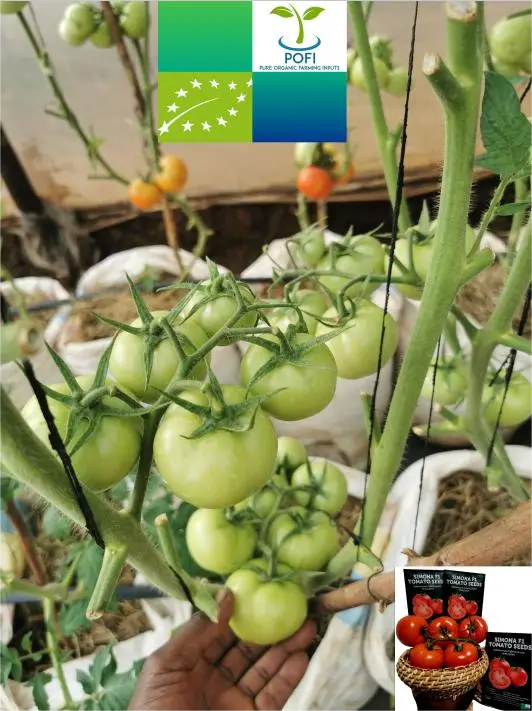
If the conditions are correct, indeterminate tomatoes can grow tall and continue to produce for six to ten months. However, they require trellising, robust stakes, and continuous watering. Rainfall can be erratic, and the dry season is severe where I farm. Using drip irrigation? Only a select few who have access to water or who can afford it. Stakes? The cost of bamboo or wood is high, and trellising hundreds of plants requires a significant amount of labour. Determinate varieties are easier to control when rain is seasonal since they are bushier, require less staking, and produce a single, large flush.
Third: Pressure from disease and pests.
Because indeterminate plants survive longer, they are more susceptible to viruses, bacterial wilt, and Tuta absoluta. Regular spraying, observation, and knowledge are necessary to keep them healthy. Many smallholder farmers either purchase counterfeit chemicals or are unable to regularly obtain or afford the proper pesticides. It is terrible to lose a long-term crop to illness. Determinate kinds might sometimes avoid the worst disease build-up since you plant them, they fruit quickly, you harvest them, and you uproot them.
Fourth: Risk and market timing.
The market floods and prices plummet if everyone harvests at the same time (determinate). With indeterminate, you can harvest every week and get greater rates, but in order to accept lower, consistent volumes, you need a dependable buyer or market. Many of us sell to intermediaries who require big quantities all at once. Additionally, it is more difficult to wait for a continuous harvest from indeterminate if your family depends on immediate money after planting; determinate yields that huge sale sooner.
Fifth: Support for knowledge and extensions.
Growing indeterminate tomatoes successfully requires pruning, careful nutrient management, and insect scouting, just like growing a child. Because determinate varieties are less risky for farmers with limited resources, many overworked extension agents advocate for them. Even though I attended a farmer field school years ago and learnt excellent skills, I only use them when I get a contract with a processor.
You see, it's not ignorance. It is the total of market connections, risk, cost, water, and seed systems.
More of us would grow indeterminates if we had assured off-take agreements, adequate irrigation, and reasonably priced, high-quality seeds. For the time being, we plant what corresponds with our reality, which is frequently predetermined, and hope that the rains arrive on schedule and the cost doesn't collapse.
An African tomato farmer's life is like that in most African countries. Farmers make do with what the economy and the land permit.
I hope you walk well and that the rains come at the right time.
A POFI interview with an African tomato farmer's perspective
#TomatoFarmingAfrica #IndeterminateTomatoes #TomatoTrek #TutaAbsoluta #ClimateSmartAgriculture #AgriTechAfrica #ValueAddition #SeedSystems #SmallholderFarmers @WorldVeg @CGIAR @AGRA @FAO @FAOAfrica @EastAfricanSeed @FarmersReviewAfri






