
As a novice African farmer thinking about growing cucumbers, I would recommend the following:
Why cucumbers might be a wise option
Cucumbers are fast-growing and high-yielding; they can yield a crop in 6–8 weeks.
Water availability is crucial since they require steady moisture, which is why drip irrigation or constant rainfall are crucial.
Climate suitability: They require protection from intense noon sun, although they flourish in warm temperatures, which are typical in many African locales.
Market demand: Urban marketplaces, dining establishments, and processing facilities all favour fresh cucumbers. Pickling variations are valuable as well.
Growing vertically can save space, lower the risk of disease, and enhance fruit quality.
Important obstacles to prepare for:
Use integrated pest management and resistant cultivars to combat pests and illnesses (such as powdery mildew and fruit flies).
Perishability: After harvest, have a strategy for prompt processing or sale.
Soil requirements: Fertile soil with organic materials that drains well.
Realistic first steps:
To learn, start small and work your way up.
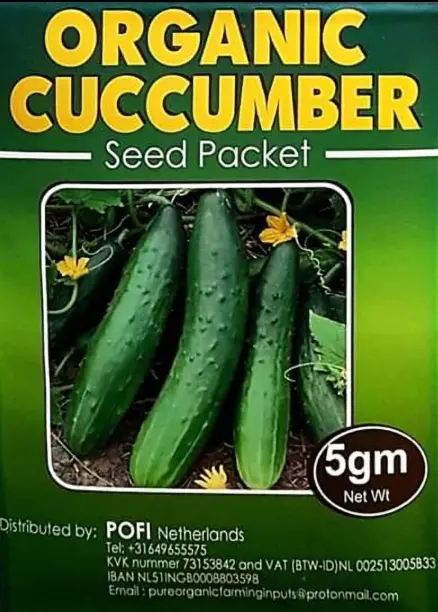
Obtain high-quality seeds (search for local, disease-resistant kinds).
For specialised geographical guidance, get in touch with the agricultural extension agents in your area.
To lower input costs and improve market access, look into cooperatives or group farming.
If you take careful care of water, pests, and post-harvest processing, this crop has a lot of promise!
#AfricanFarmers #Agripreneur #CucumberFarming #FoodSecurity #Agriculture #FarmToTable #UrbanFarming #ClimateSmartAgriculture #YoungFarmers #FarmTech #AgExtension #SustainableFarming #ValueChain #Pickling #FreshProduce
@FAO @AUDA_NEPAD @WorldBank @IFAD @Alliance4Food






