
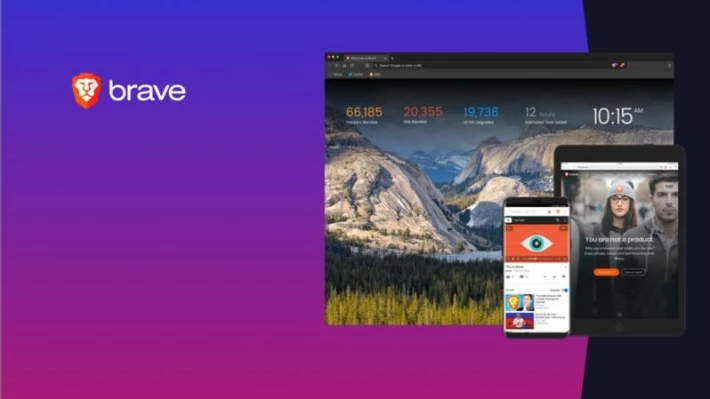
Ever since the Brave Browser and BAT debuted, the advertising industry has been taken by storm.
CNET rated Brave as the most private browser that you can use, and that did wonderful things for Brave, as well as BATs price.
But with all those good attributes comes the misconceptions.
So in this post, I will debunk a few or the major misconceptions about BAT and the Brave Browser.
1. Doesn't Brave still collect your data?
Yes, Brave still collects your data. In one form or the other, you really can't escape it. Do you save your passwords in the Brave Browser? Sure, they can't see it, but they have it. The way you use the internet is also communicated to Brave in one way or another. It's essential for them to collect these data, because it helps them run the browser.
The difference between Chrome and Brave is that Brave actually pays you for this data collected. They do so in form of their native token : The Basic Attention Token, or BAT for short.
Rather than selling your data for money and keeping the profits, when you click on those unobtrusive ads, your data usage is sent to the advertiser in exchange for money.
2. Why does Brave look so much like Chrome?
Brave is built using Chromium, so that it can replicate the feel of the browser you're coming from(it most certainly isn't Firefox, and definitely not Explorer)
3. BAT - Where is it going in a few years?
The BAT token is very much undervalued to me. It currently costs about $0.2, with some resistance levels at $0.25 and support at $0.019.
I believe that this year is Brace's year. With the number of features they plan to add to the platform, as well as how many new users join the site everyday, it's easy to see BAT's price reach $1 by the end of this year.
In conclusion, Brave and BAT are the best thing to happen to the advertising industry of late. Sure it has it's flaws,but as a whole, it is greater than the sum of its parts.
Go Brave, and to the moon with BAT!






