
Zen blog post in Russian
https://dzen.ru/a/ac667p09GEyNCzEW
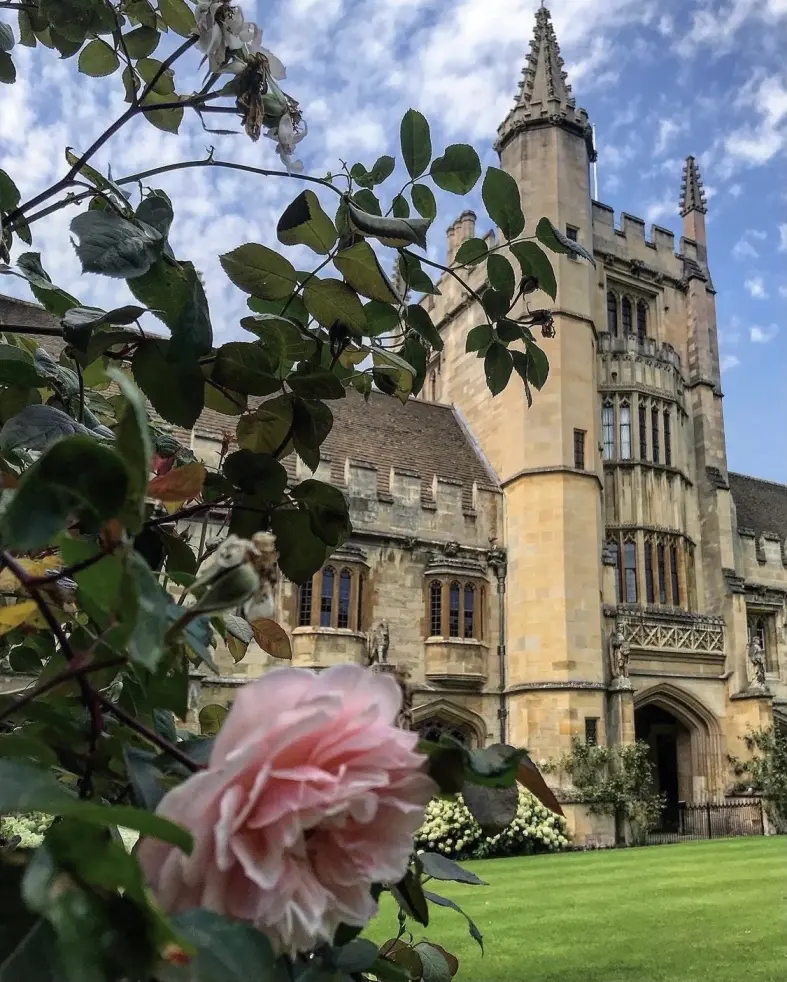
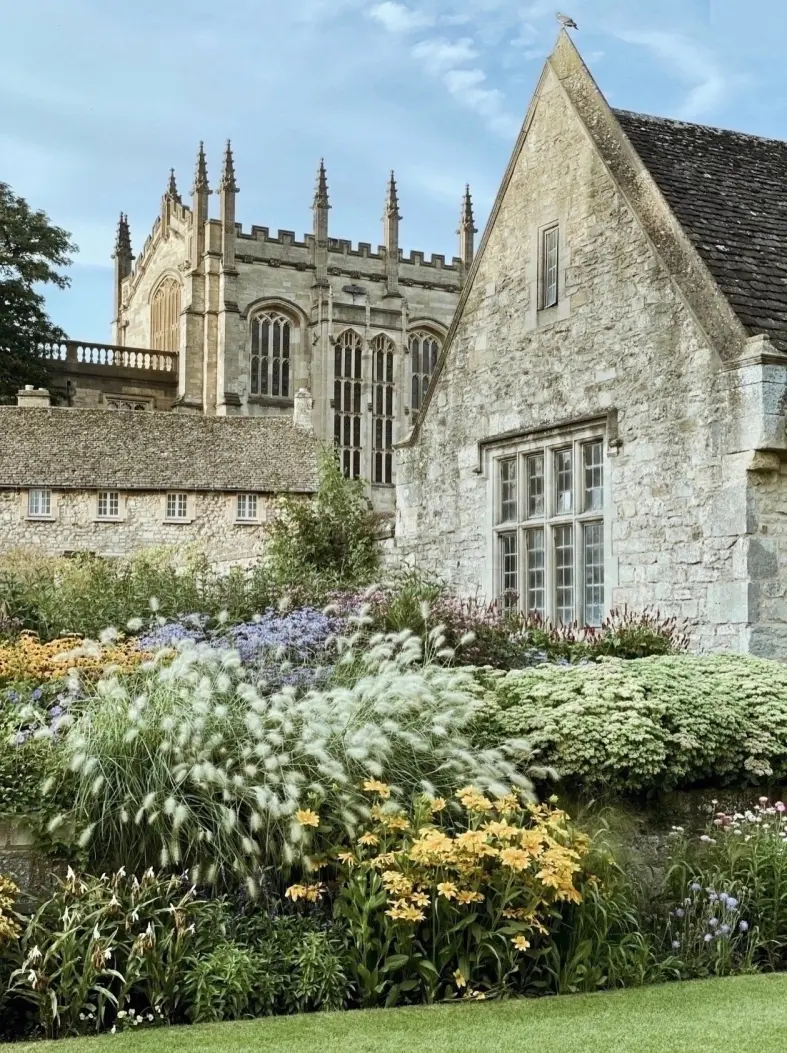
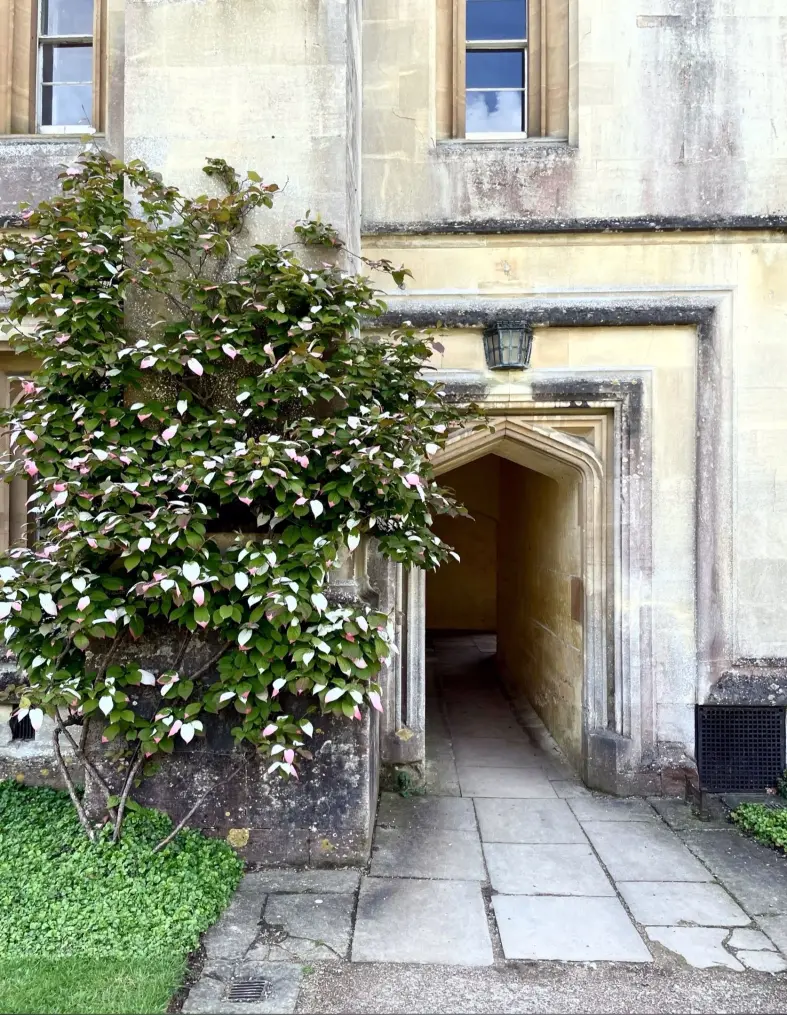
It's hard to think of a better place to study the humanities.
The same "magical" and "like from the movies" Old Money England can be found in Oxfordshire and Cambridge, in the South of England.
A beautiful and respectful manner of speech, tact, politeness, the ability to dress beautifully and tastefully - all this is still alive here.
There's an environment everywhere in Oxford that pulls you up: so many smart and talented people in one place.
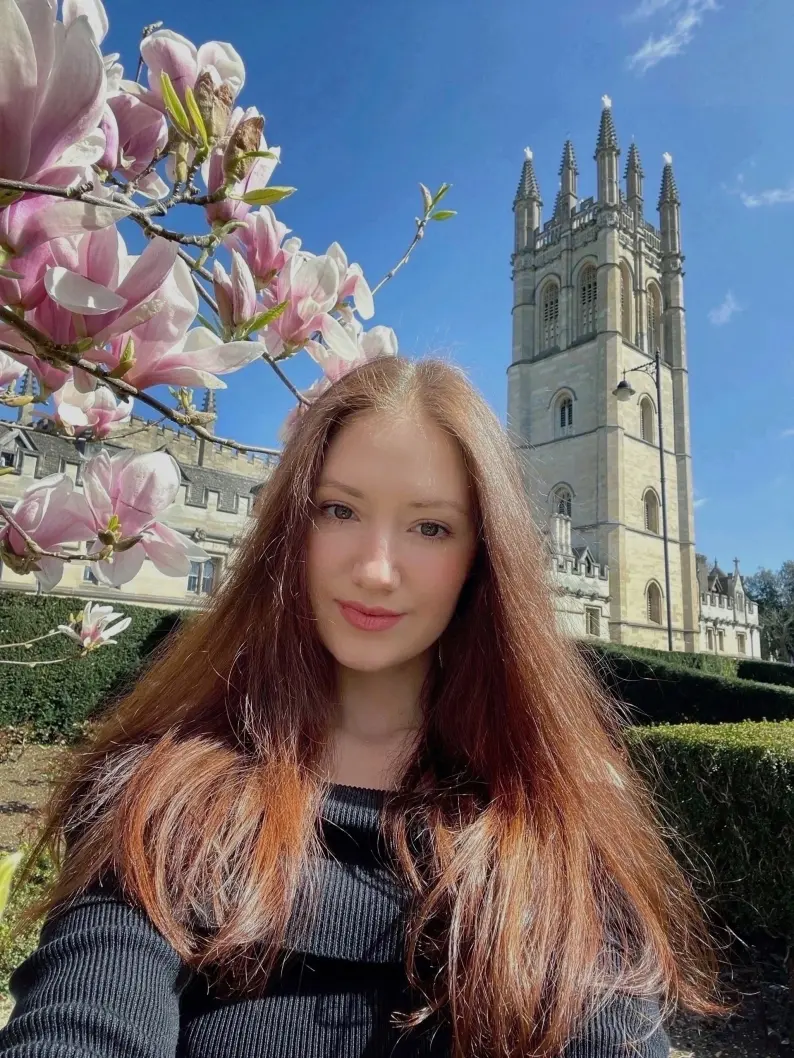
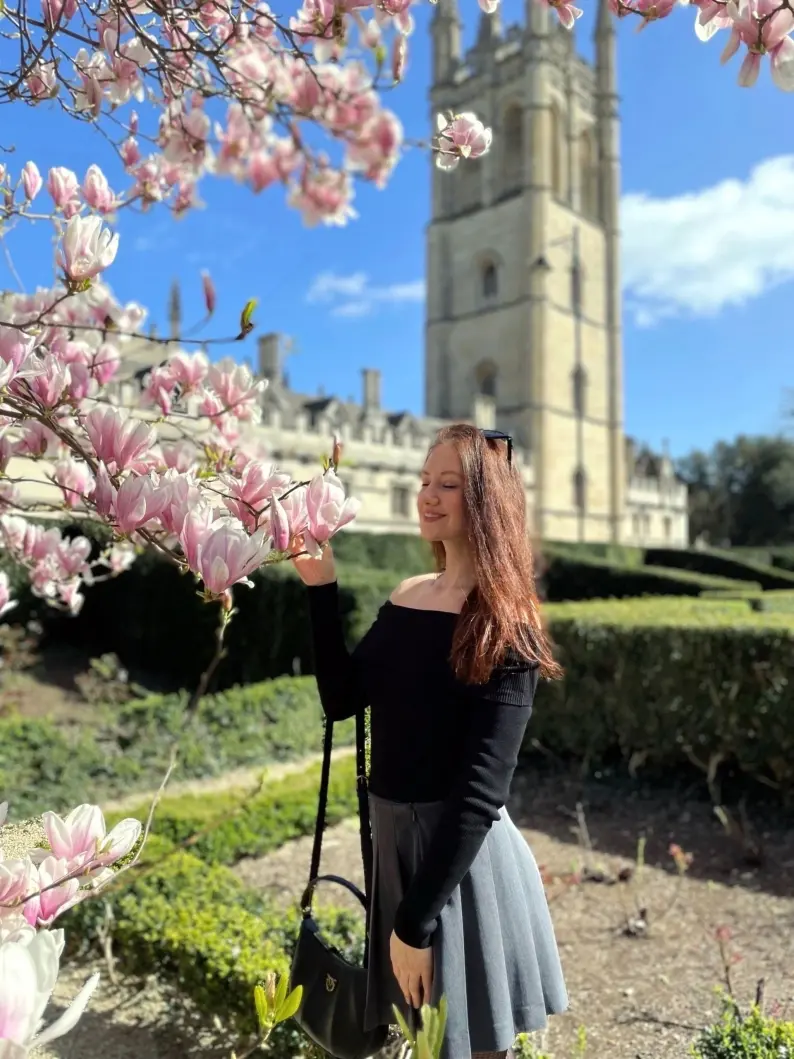
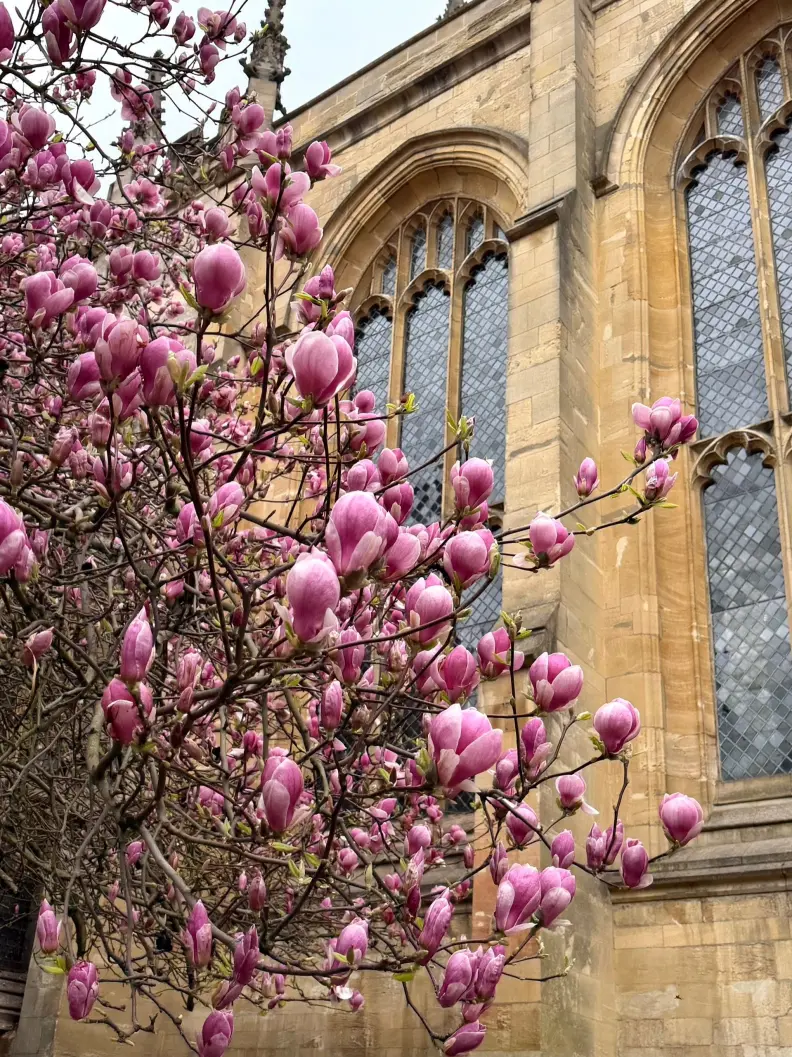
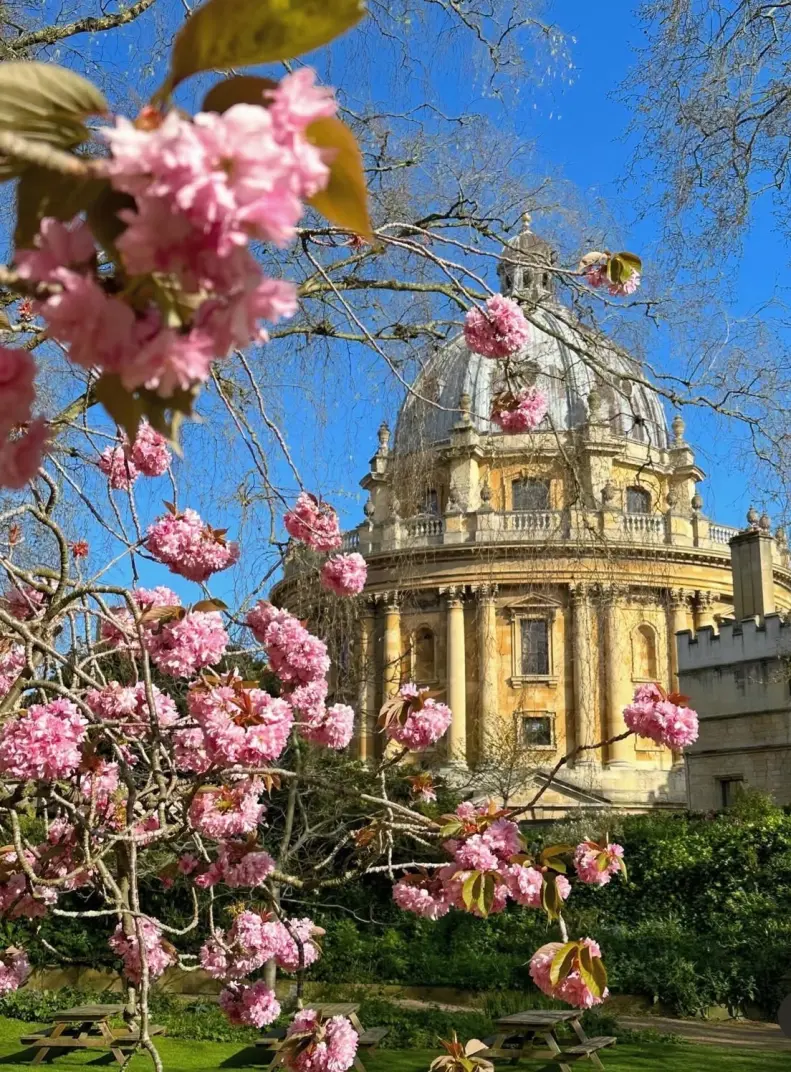
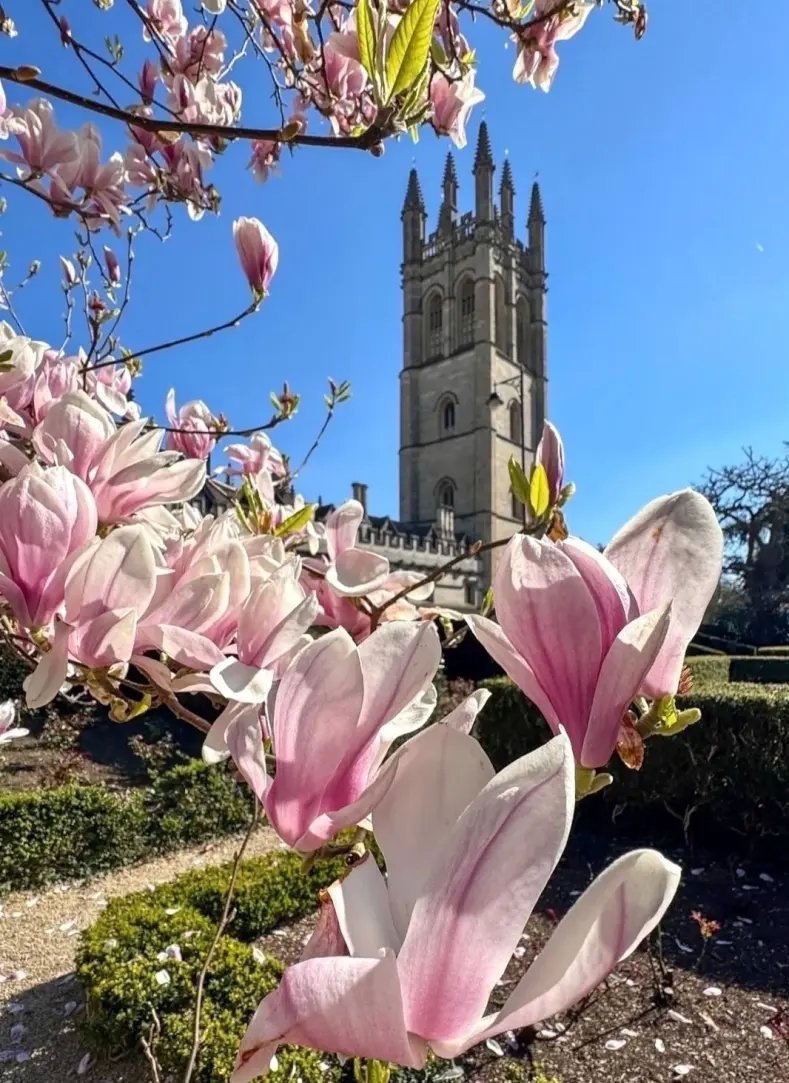
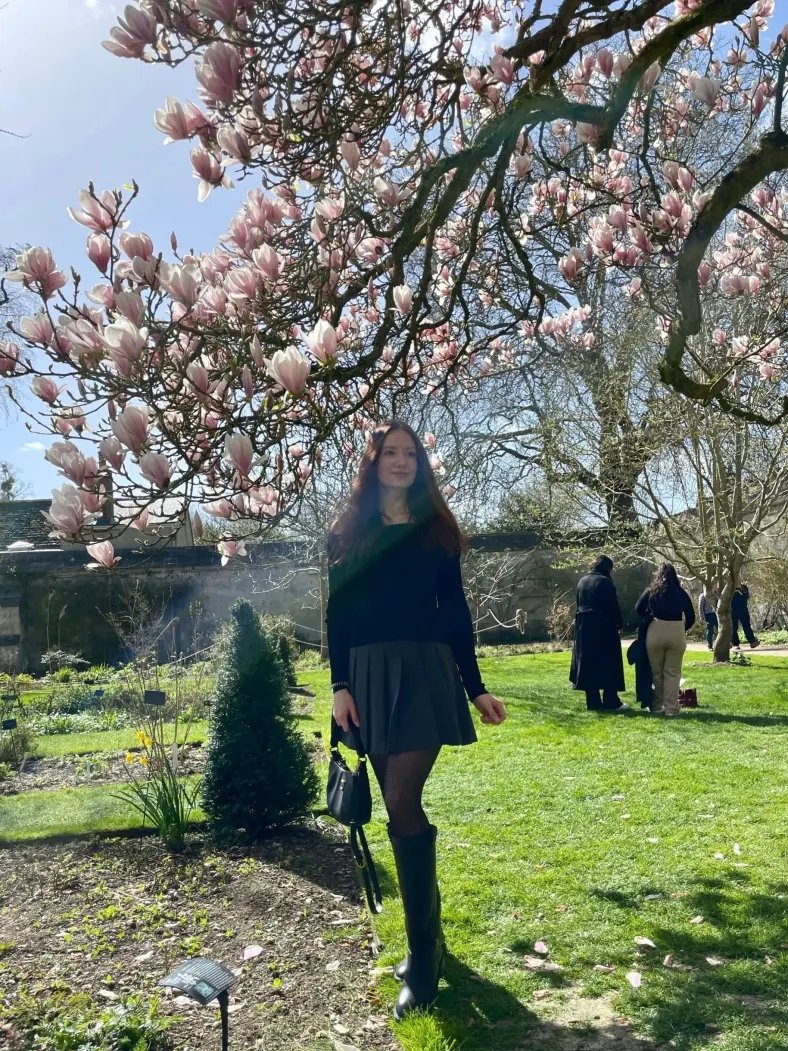
The most beautiful time of the year
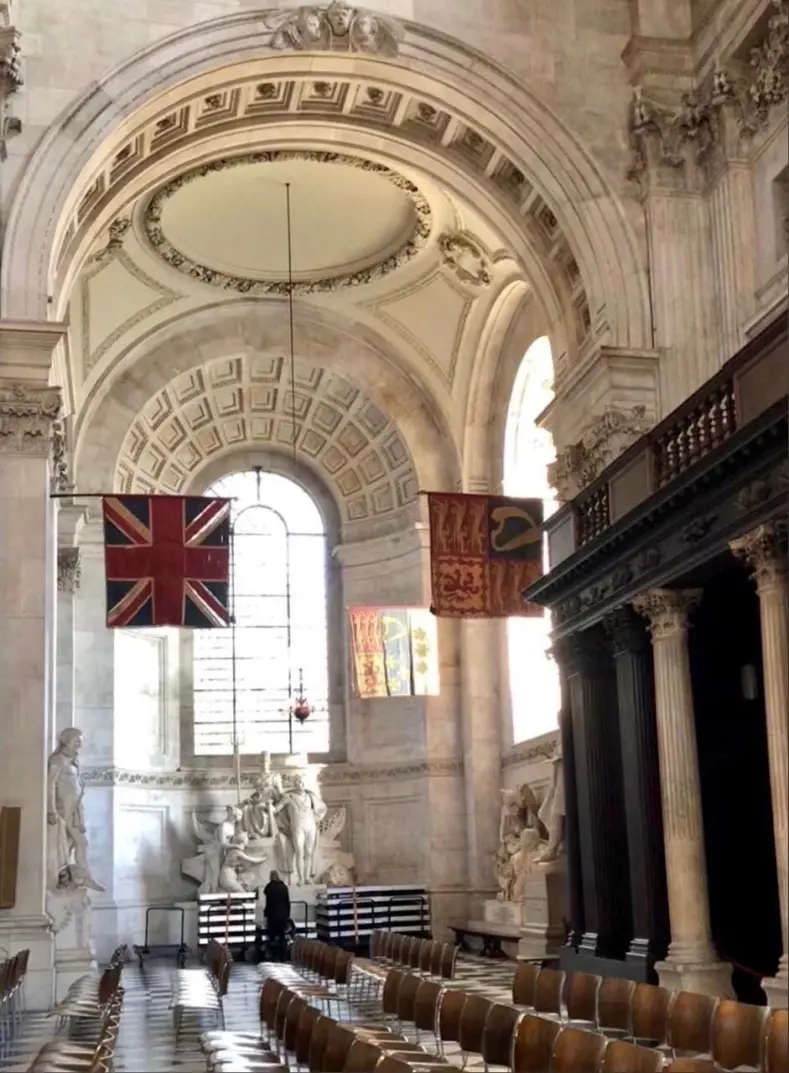
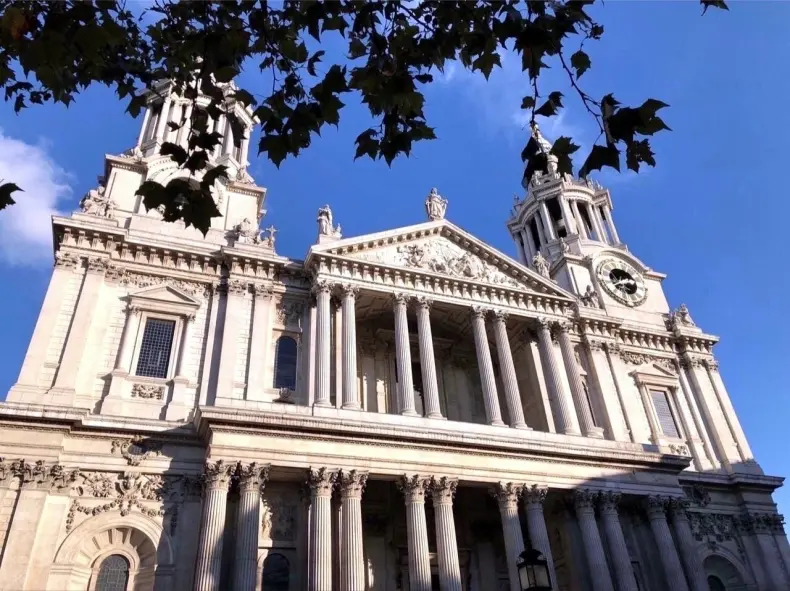
St. Paul Cathedral.
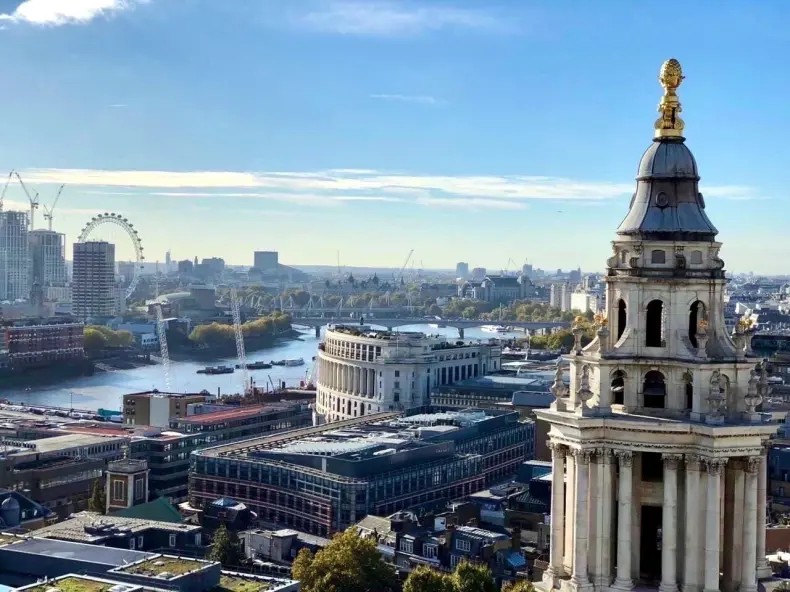
From the roof of the cathedral (in good weather) there is a stunning panorama of London.
Photos inside were forbidden, but my love for history knows no bounds.
In the crypt of the cathedral (a place for relics) Admiral Nelson is buried.
He is known not only for his military victories, but also for his scandalous personal life: his relationship with Lady Hamilton.
When preparing for the citizenship test, I had to learn a lot about history, culture and holidays in The UK, so now this valuable knowledge is enough for a thousand posts.

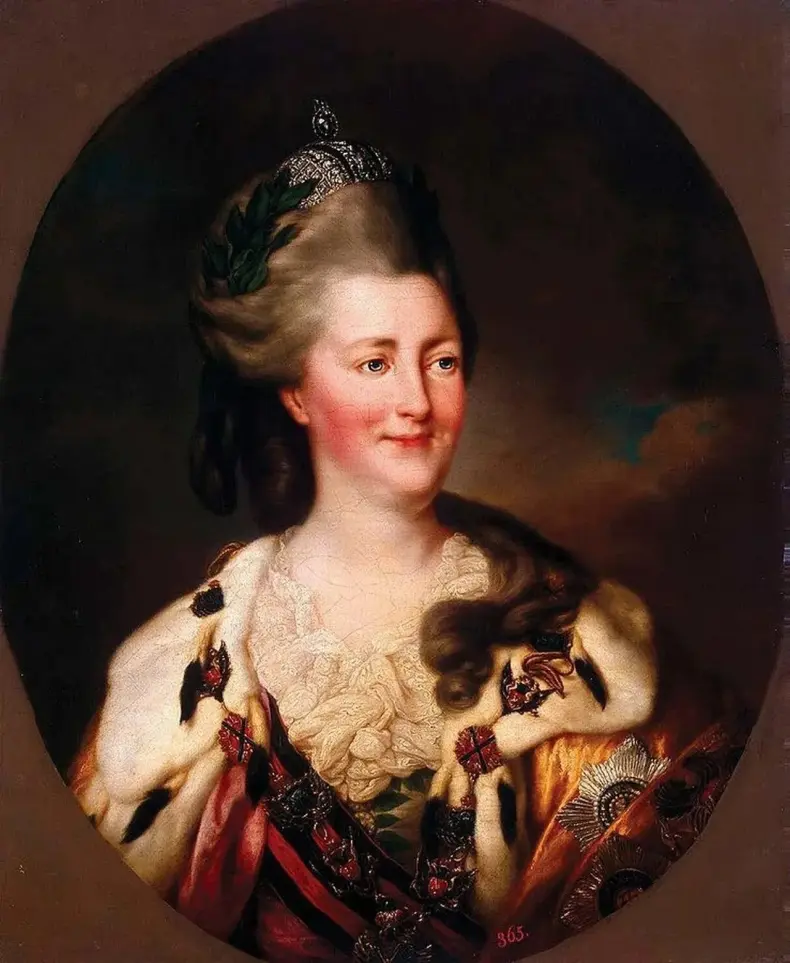
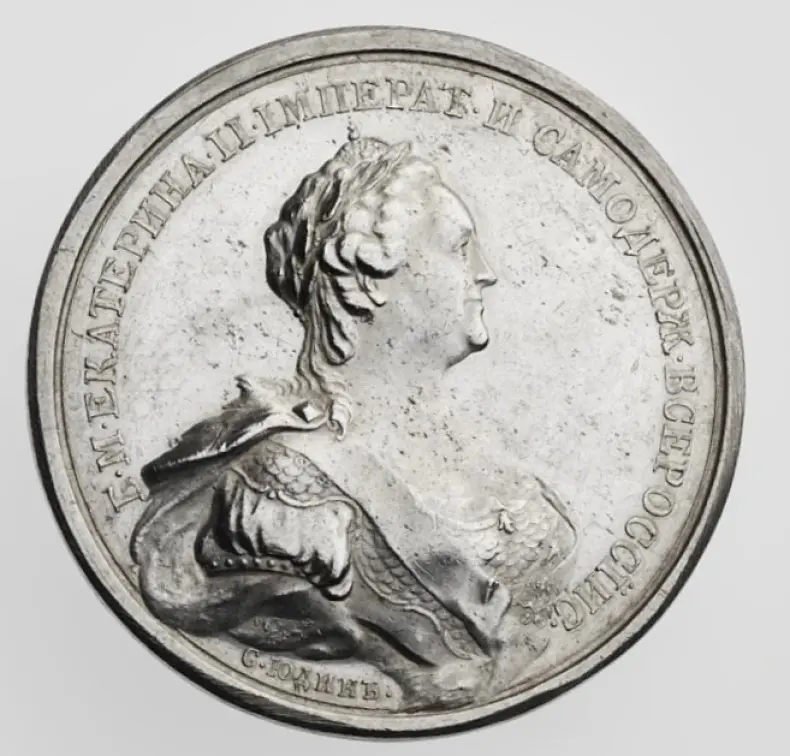
Great Catherine.
"Ekaterina was proud of her profile, with her graceful nose and strong-willed chin.
She even compared herself to Alexander the Great."
In England, Catherine II is considered one of the most powerful, wealthy, and educated women in human history.
Her personality and life are also interesting from the point of view of liberal feminism.:
During her long life, the ruler violated a huge number of rules and taboos attributed to her gender, becoming the "Mother" of the Fatherland and forever entering the history of Russia and the world as one of the brightest and most talented rulers.
To portray the Empress as "crazy" is an oversimplification.
She was the smartest and most ambitious, talented ruler who was more successful than many male rulers in the history of Russia.
It is not surprising that there were so many gossips and negative stories surrounding the personality of Catherine II.:
The Empress had many envious people and enemies.
I recommend a selection of Oxford Notes in the blog for those who are interested in England.
I've been thoroughly hooked on books and materials on evolutionary biology and psychology, ethology, and neurophysiology, and I don't know how to stop.
Dawkins, Sapolsky, Lorenz, Chopra, Harari, Pinker, Peterson... I listen to lectures by Dubynin (I went to his special course at the Moscow State University Faculty of Biology) and Drobyshevsky.
To be honest, I haven't read fiction for 5 years (but I don't feel like it either), only popular science: biology, genetics, neurology, all kinds of naturalistic topics…
All this intellectual vinaigrette in my head is also accompanied by reading historical blogs about comparing the crisis of the Roman Republic and the transition to empire and the United States now, the Civil War in the States, as well as books about feminism.
Something like that…
Ekaterina Sveshnikova, England, London, Oxford University






