
Zen blog post in Russian
https://dzen.ru/a/aakM5LqdeHVKzEbR
The History of Witchcraft and Women round table was held in Oxford. Witchcraft and witchery are studied at the academic level.
It's always so interesting to learn something new and rediscover things that you already know.
So, historically, marginalized, poor, uneducated, unmarried elderly women suffering from mental illness were often blamed for the rape.
Social factors such as arguments, jealousy, or perceived deviations from expected behavior also contributed to the accusations.
In popular culture, the "Witch" has become a powerful symbol of women's empowerment, rebellion, and marginalization, seeking to undermine traditional narratives that demonized female power.
It should also be noted the role of "witches" in the accumulation of knowledge about plants and in the development of medicine.
"Witches" were often experienced healers who used herbs and other remedies, combining medical and spiritual knowledge to treat diseases.
Their practice, which included remedies for pain, childbirth, and other illnesses, contributed to the development of medicine, as many of the plants they used, such as willow bark, became sources of modern medicines such as aspirin.
However, when official medicine began to be regulated, many female healers were forbidden to study, their knowledge was demonized.
I recommend a selection of Oxford Notes in the blog for those who are interested in England.
I've been thoroughly hooked on books and materials on evolutionary biology and psychology, ethology, and neurophysiology, and I don't know how to stop.
Dawkins, Sapolsky, Lorenz, Chopra, Harari, Pinker, Peterson... I listen to lectures by Dubynin (I went to his special course at the Moscow State University Faculty of Biology) and Drobyshevsky.
To be honest, I haven't read fiction for 5 years (but I don't feel like it either), only popular science: biology, genetics, neurology, all kinds of naturalistic topics…
All this intellectual vinaigrette in my head is also accompanied by reading historical blogs about comparing the crisis of the Roman Republic and the transition to empire and the United States now, the Civil War in the States, as well as books about feminism.
Something like that…
Ekaterina Sveshnikova, England, London, Oxford University
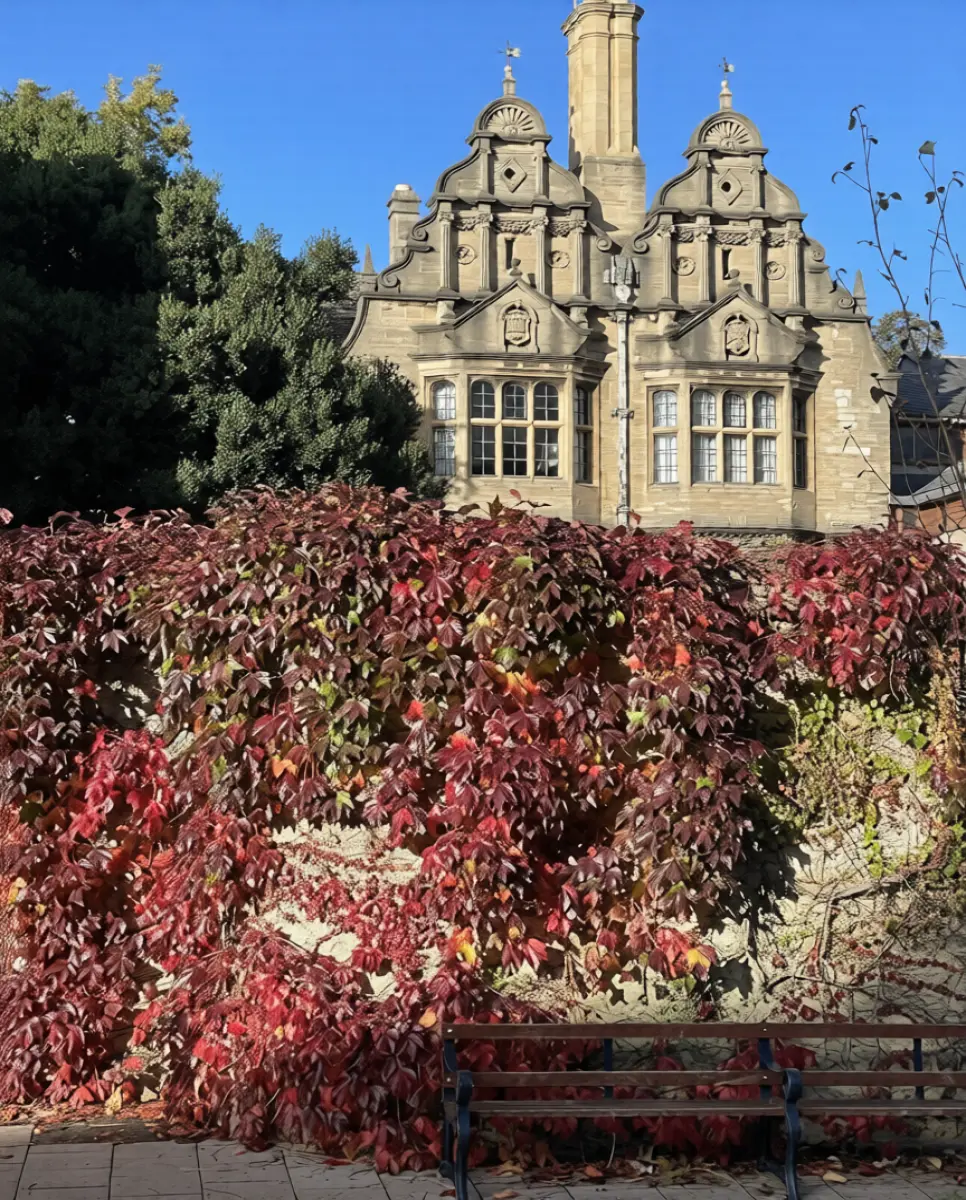
And some more facts about England:
Gothic literature was inspired by this kind of weather.
Everything here is so doll-like and tiny, the dampness and fog go well with studying and sitting in libraries.
When the weather is good, people have fun sitting on the grass.
What a magical atmosphere there is.
College campuses have such a unique charm.
Oxford seems "foreign" even to the English themselves from other parts of England.
It's like a country inside another country.
Time has stopped here, or at least slowed down, as the centuries-old colleges remind us, the oldest of which, Balliol College, is almost 800 years old.
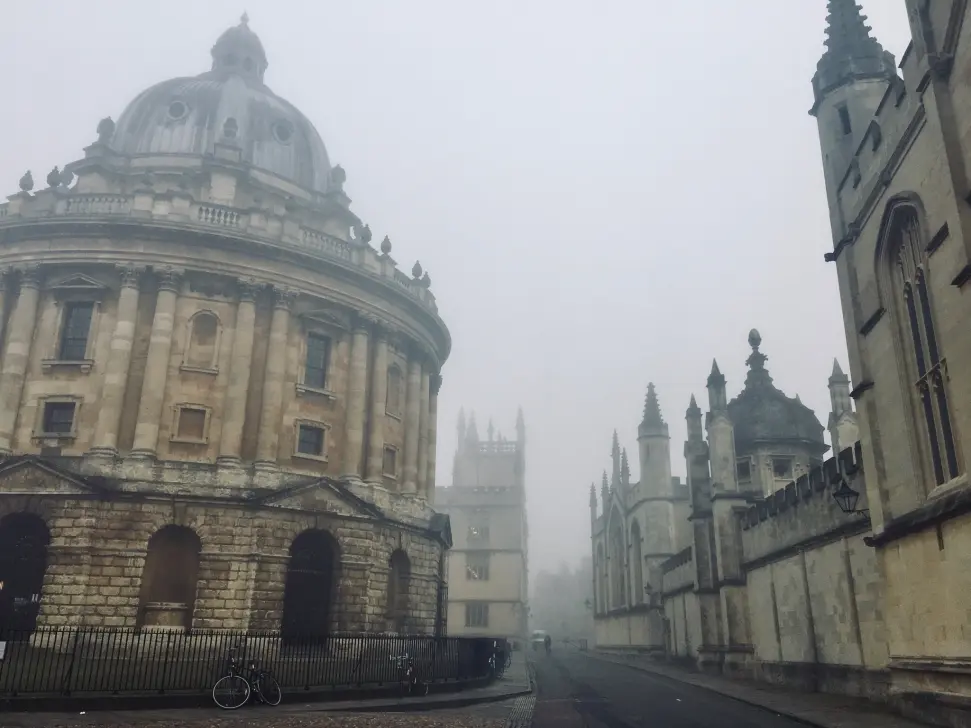
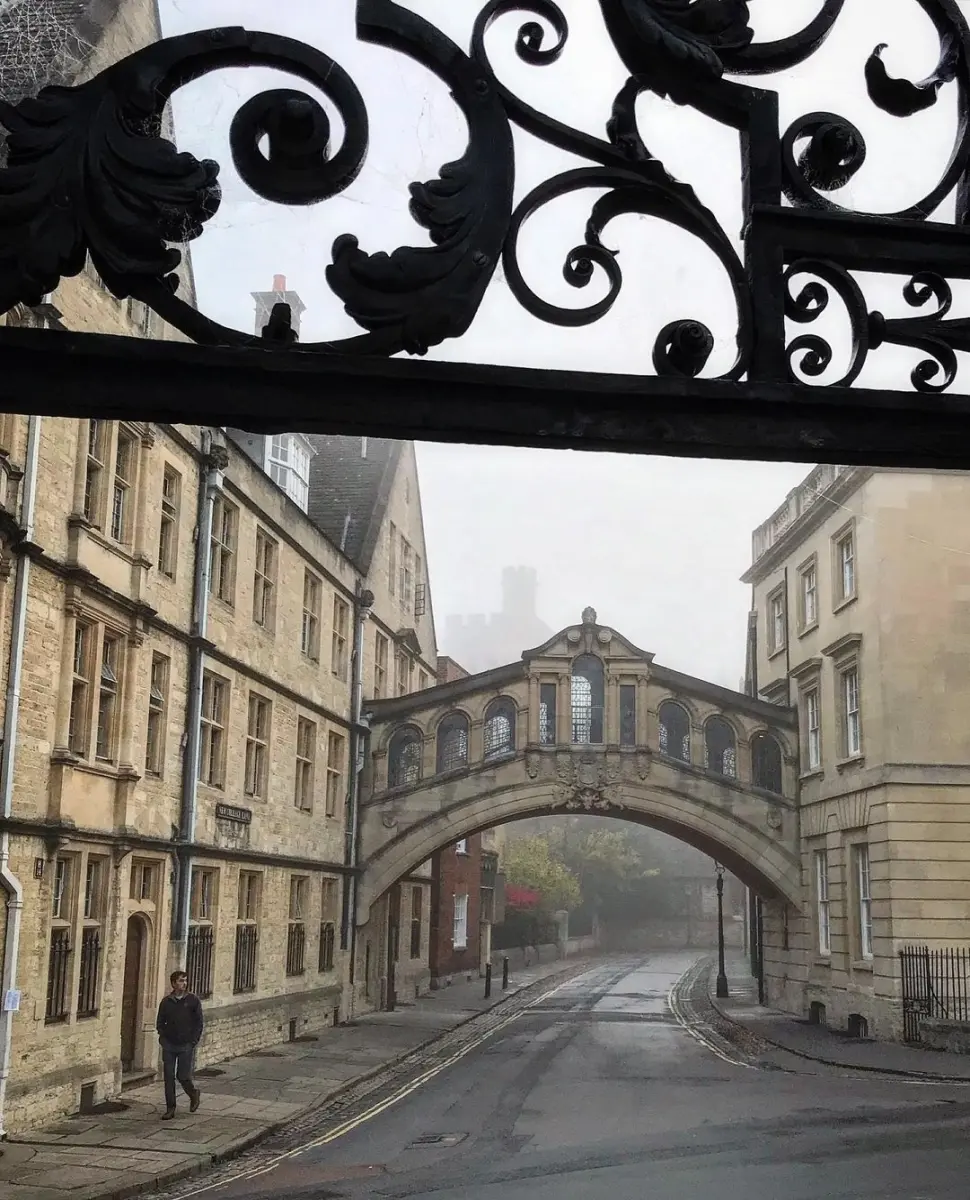
An introvert's paradise.
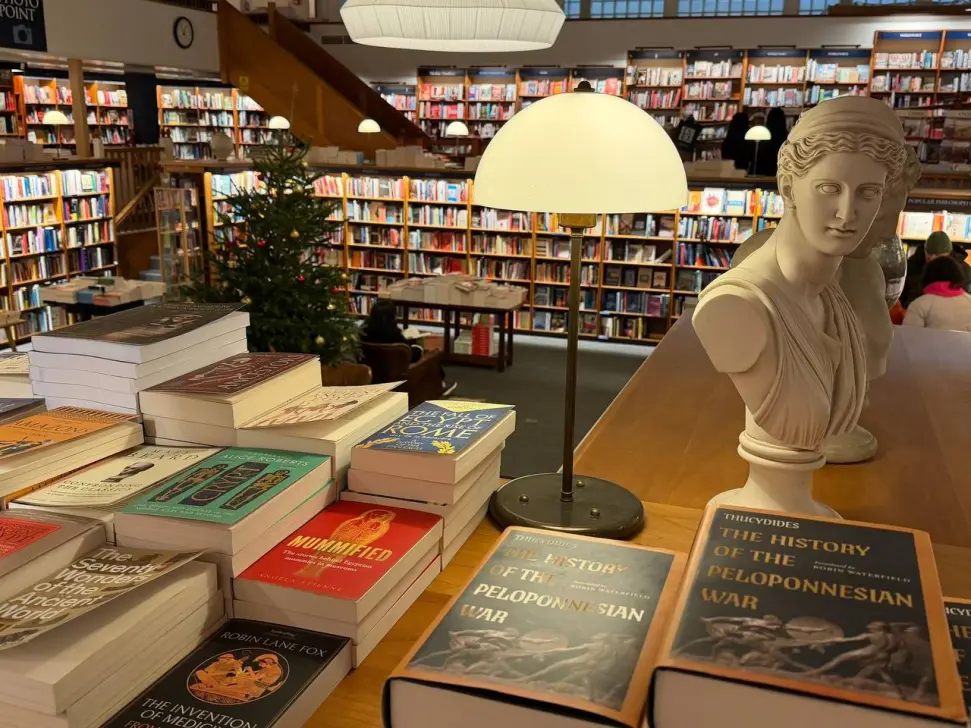
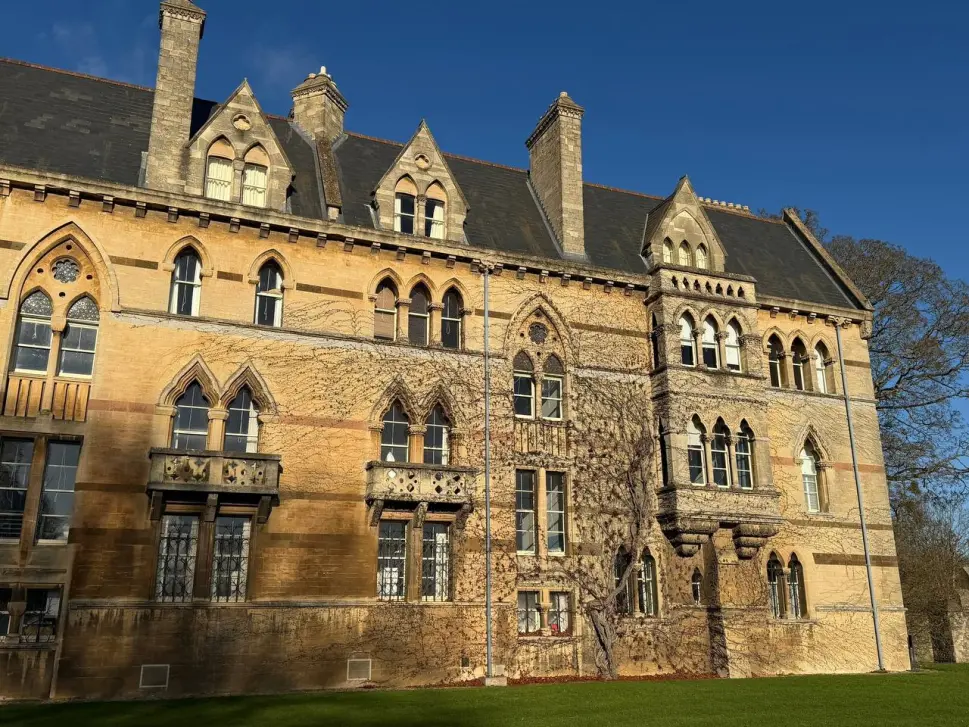
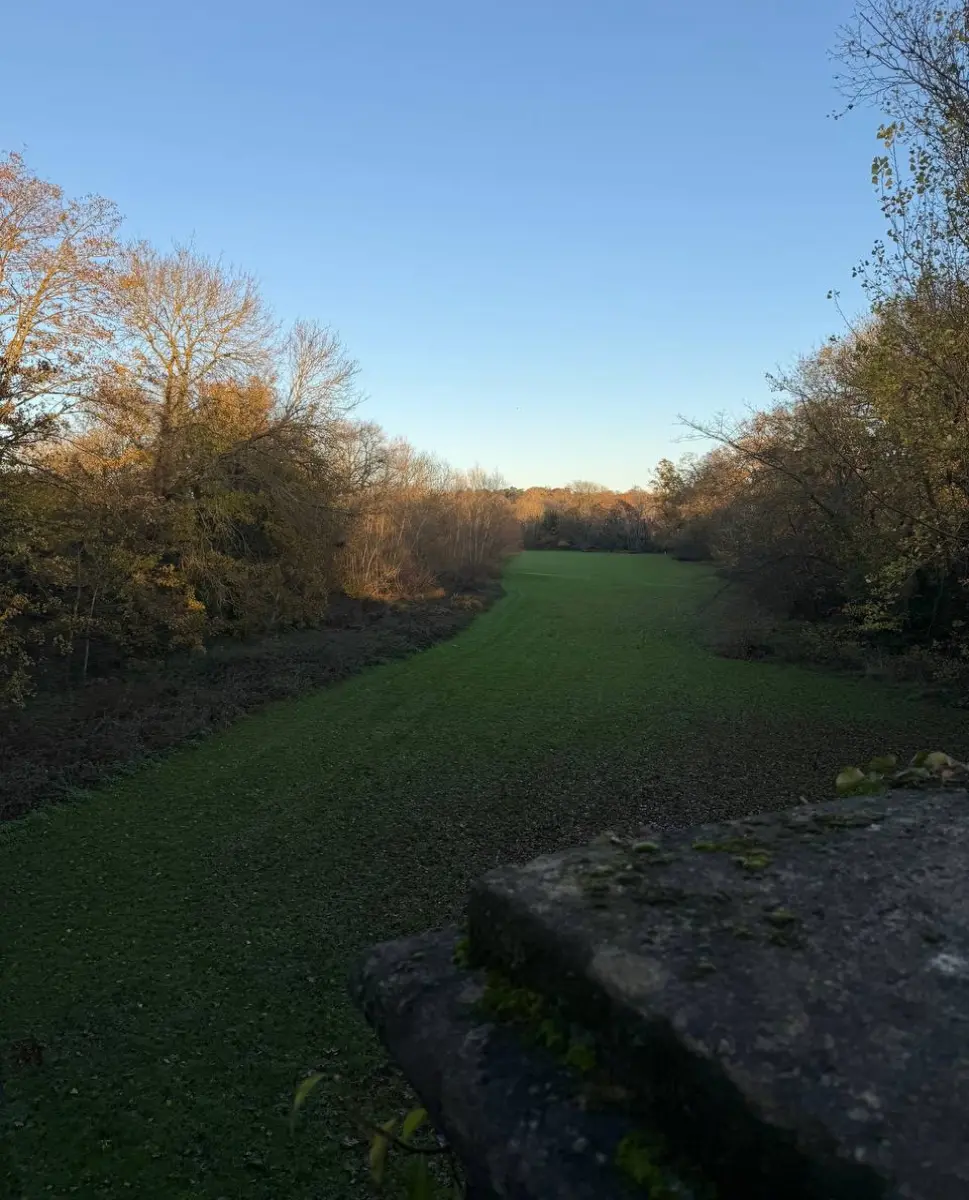
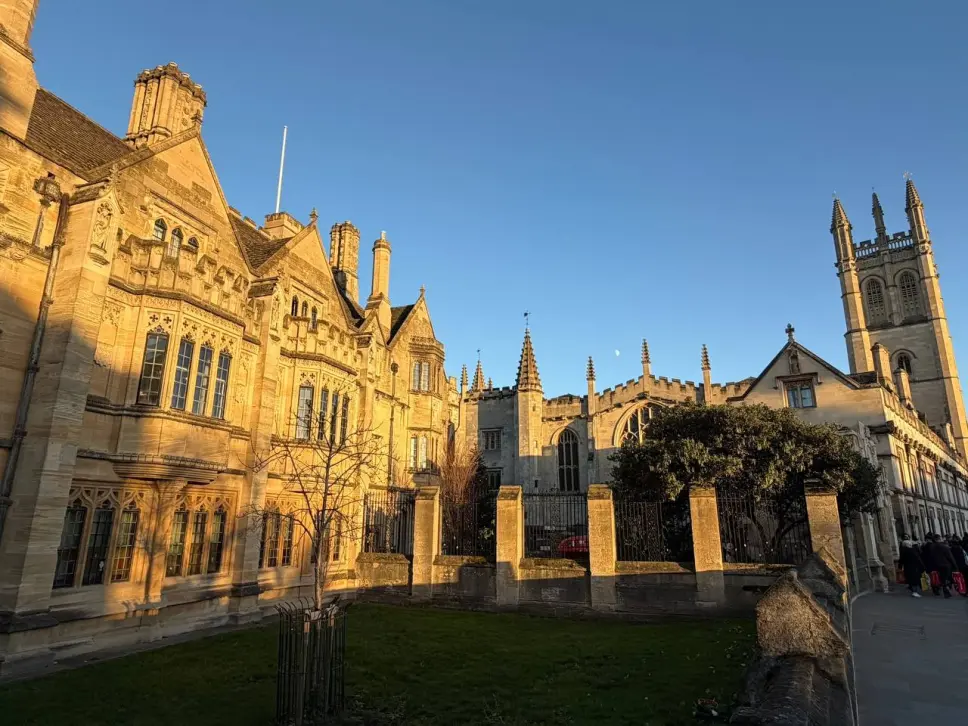
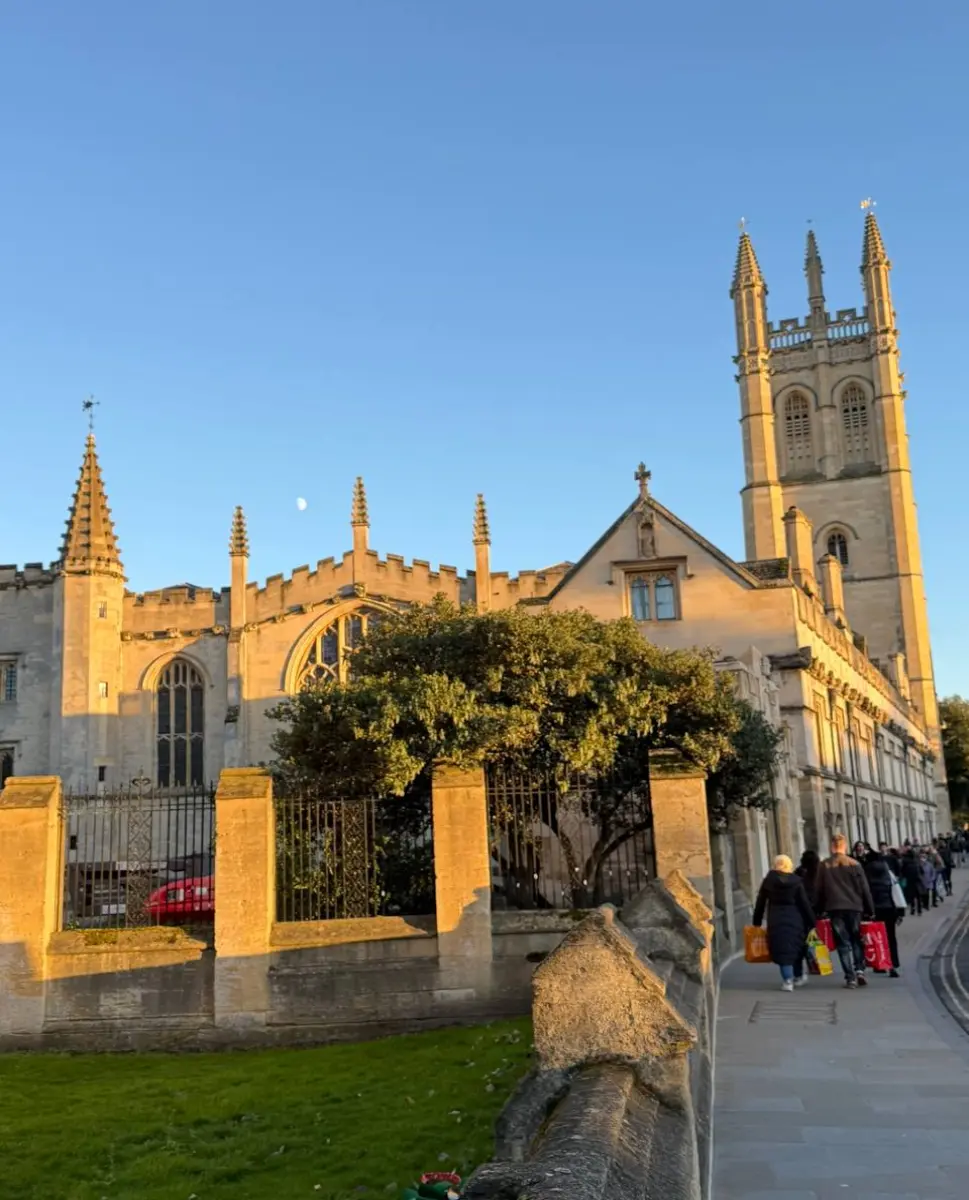
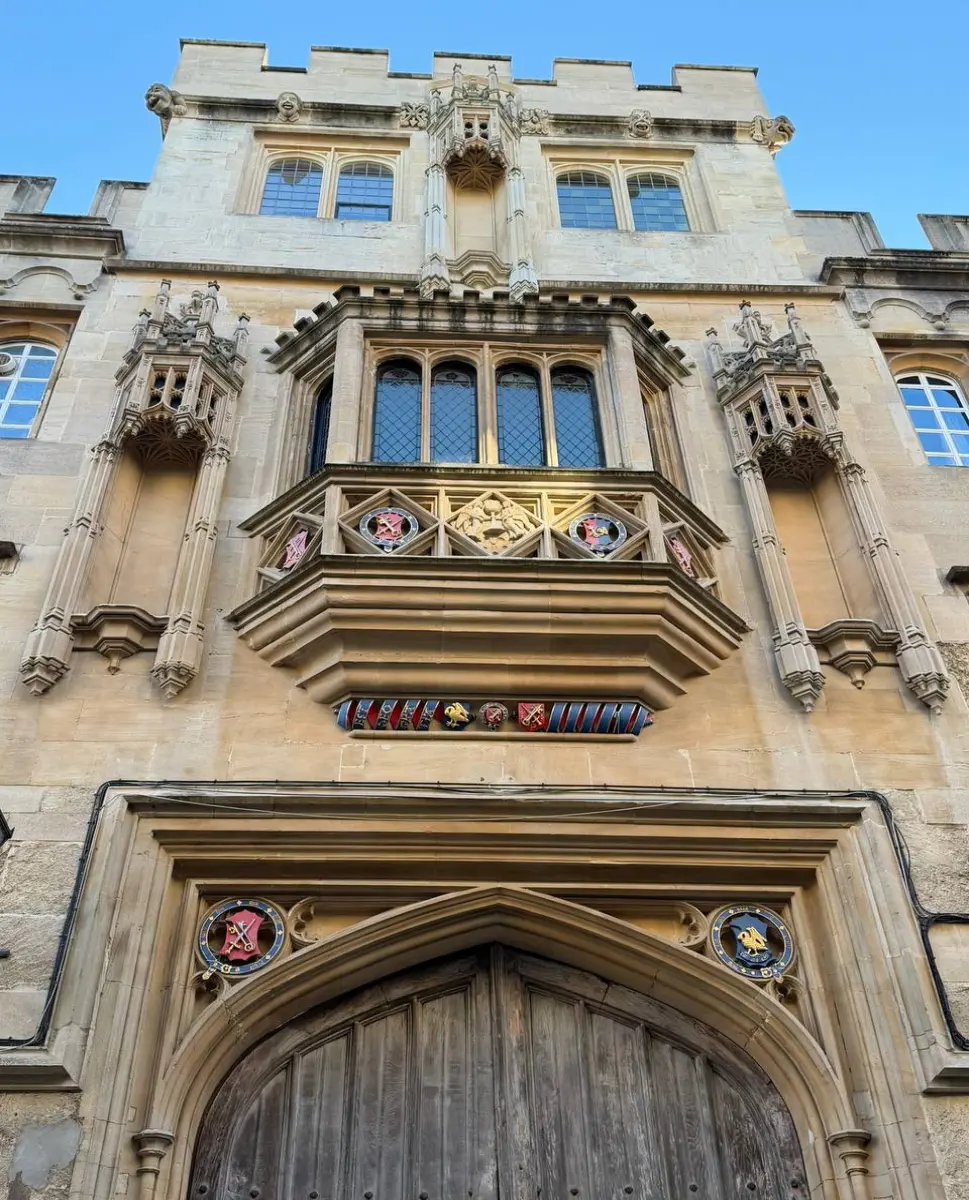
Oxford History Department.
My favorite place. I love historians, because you can spend hours discussing your favorite topics with them.
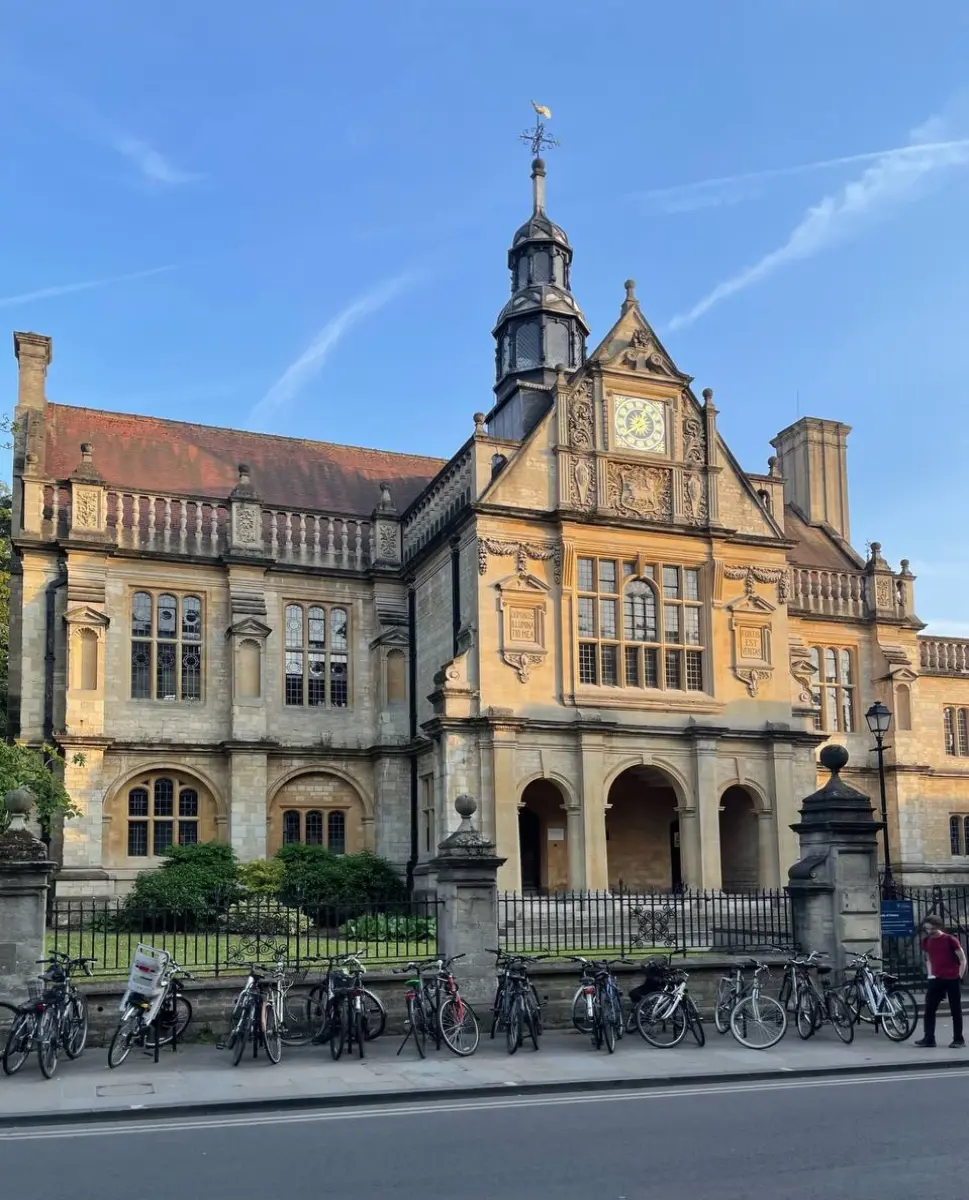
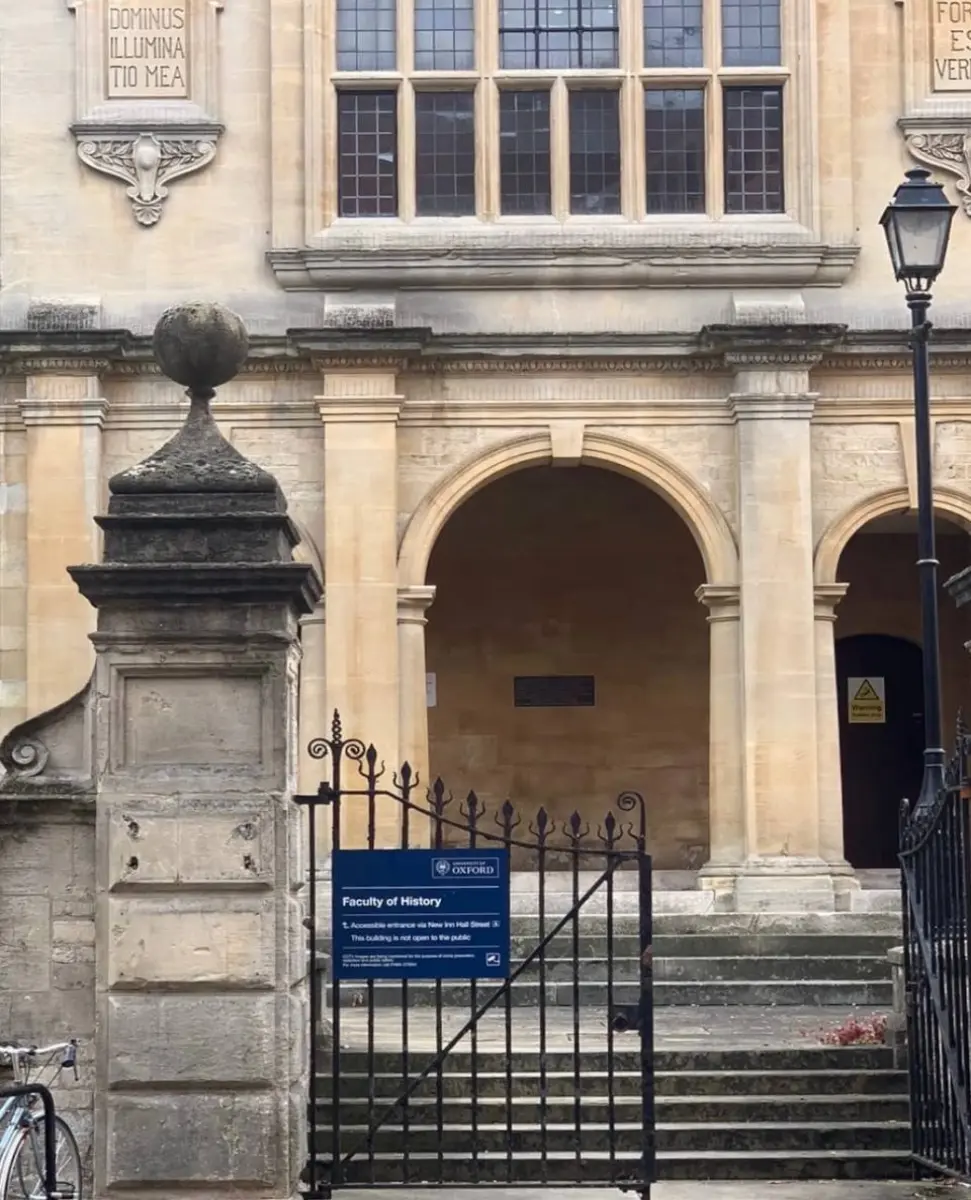
You can find a lot of interesting things about England and Oxford, humanities in my telegram channel.: https://t.me/oxfordrose1






