1. Use of parallel conversion technology:
VLC can use parallel conversion technology to convert multiple files simultaneously. This can significantly improve performance, especially if you have a multi-core processor.
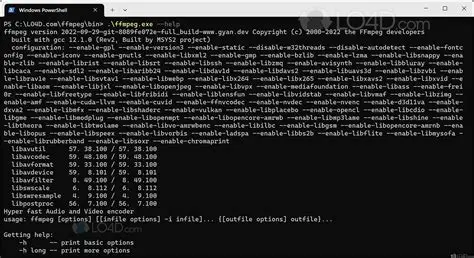
2. Conversion complexity: In contrast, FFmpeg is a very powerful file conversion tool, but it can be slower than VLC because FFmpeg can perform very complex file conversions, which can take longer.
FFmpeg uses file conversion libraries that may not be optimized for specific processor architectures.
3. Lack of hardware acceleration:
FFmpeg may not use hardware acceleration for file conversion, which can slow performance.
In summary, VLC can convert files faster than FFmpeg due to the use of optimized libraries, hardware acceleration, and optimized conversion settings. However, FFmpeg is a very powerful tool that can perform very complex file conversions, although it takes longer.