
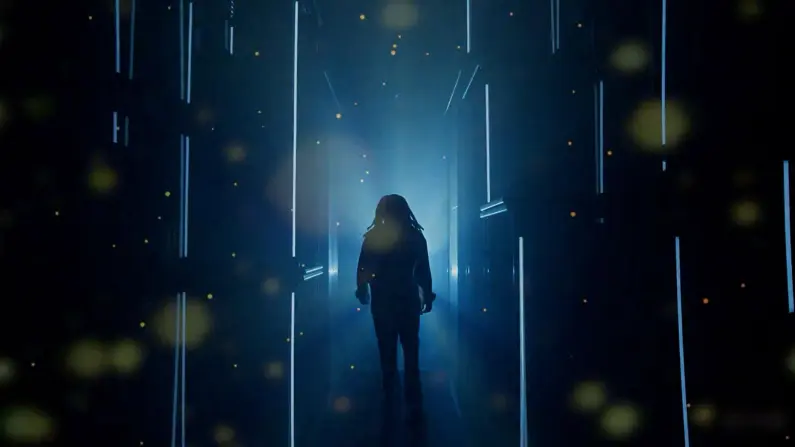
Every production design commission comes with a version of the same question: what does this place need to feel like? For corporate galas and Olympic broadcasts, that question has a relatively bounded answer. For cultural heritage productions, the answer is harder. And for Hope Road — an immersive journey through the life and legacy of Bob Marley, produced with FiveCurrents and Primary Wave Music and opened at Mandalay Bay Resort and Casino in Las Vegas in 2025 — the question was the most demanding version I've encountered in my career.
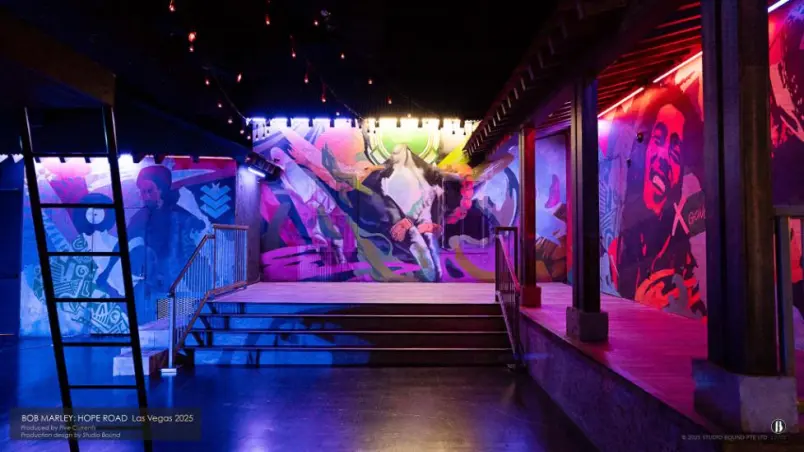
Bob Marley is not just a musical artist. He is a global icon — a figure of cultural, political, and spiritual significance to hundreds of millions of people across generations and geographies. The production design brief asked me to create a physical world that could carry that weight. Not a tribute show. Not a museum. Not a concert. A world you move through, that makes you feel something specific about a specific human being who changed the world with music made on a specific street in Kingston, Jamaica.
The Brief: You Cannot Fake This
The first thing I had to accept about Hope Road was that there is no way to design authentically for Bob Marley by importing the visual clichés. The red, gold, and green palette. The dreadlock iconography. The peace-and-love shorthand. All of it has been commodified to the point where it communicates nothing — where it signals "Bob Marley" without carrying any of the actual weight of who he was and what his life meant.
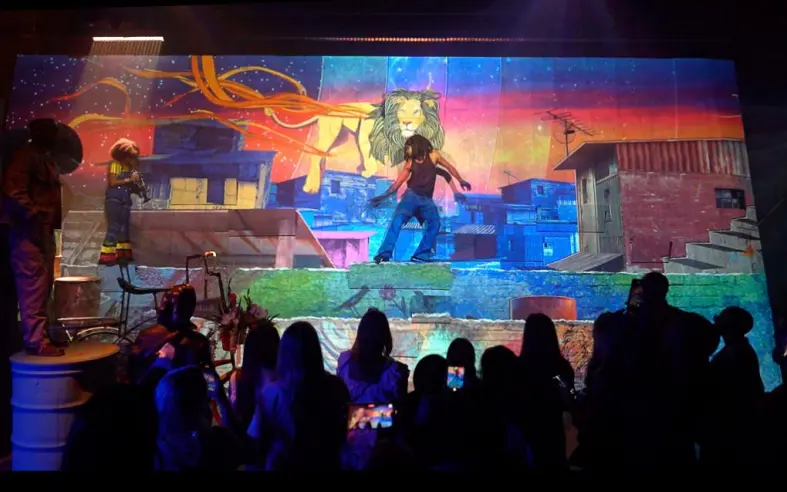
I worked with the FiveCurrents creative team on developing a visual language for Hope Road that went back to the source: the specific physical reality of Kingston in the 1960s and 70s, the texture of Trenchtown, the heat and density of the streets where the music was made. The design had to be specific before it could be universal. The One Love message lands differently in an environment that has earned it — that has taken the audience through the poverty, the struggle, the community, the faith, before opening into the full-scale emotional release of the music. Specificity is what makes the universal feel true.
Designing for a Legend Without Designing a Shrine
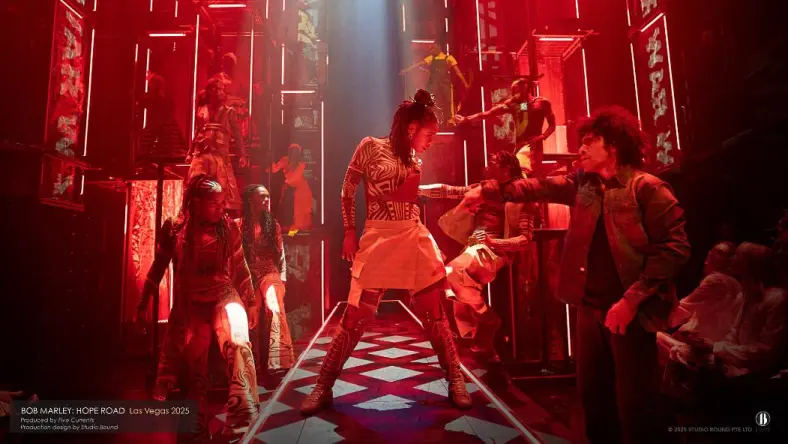
The biggest design risk on a commission like Hope Road is reverence. The environment that treats Bob Marley as a sacred object — that is careful and respectful and measured at every turn — produces work that is dead on arrival. Bob Marley's art was never careful. It was direct, alive, political, joyful, grieving, electric. The environment had to carry those qualities rather than document them.
What I kept coming back to in the design development process was the music itself. When you listen to the recordings — not as background music, but as the primary reference material for a design brief — you hear the specific emotional temperature of each song, each period, each chapter of the story. Redemption Song is not No Woman No Cry. Natural Mystic is not Jamming. Each has its own physical atmosphere, its own relationship between light and dark, its own scale. I designed to the music rather than to the biography. The biography is the structure. The music is the emotional language of the space.
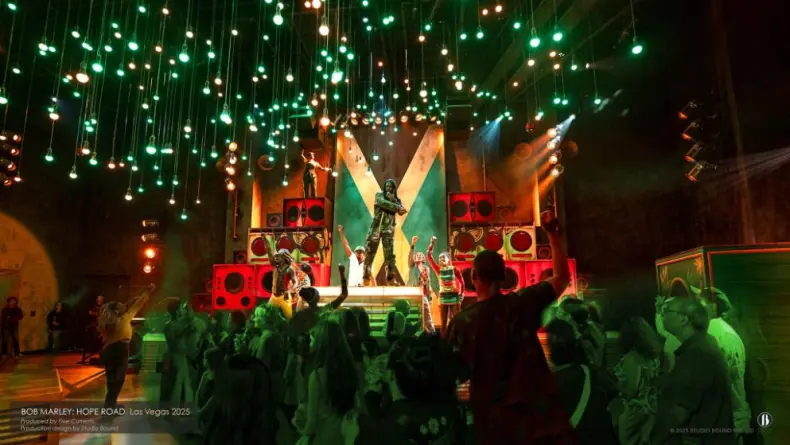
The Chapters: A World That Changes as You Move Through It
Hope Road is structured as an immersive journey — the audience moves through a sequence of environments, each representing a chapter of Bob Marley's story. The design challenge is different for each chapter, and the transitions between chapters are as important as the chapters themselves. The audience has to feel the shift in time, place, and emotional register as they move — has to be taken from one world into another without being told they've arrived.
The Kingston environments required the most grounded, specific design work in the production. The physical reality of where Bob Marley grew up, where he made the music, where the Rastafari faith shaped his worldview — these had to be built with the density and texture of somewhere real, not the clean interpretive aesthetic of a museum installation. Rough surfaces, specific light quality, the scale of a street rather than a stage. The audience needed to feel that they had gone somewhere.
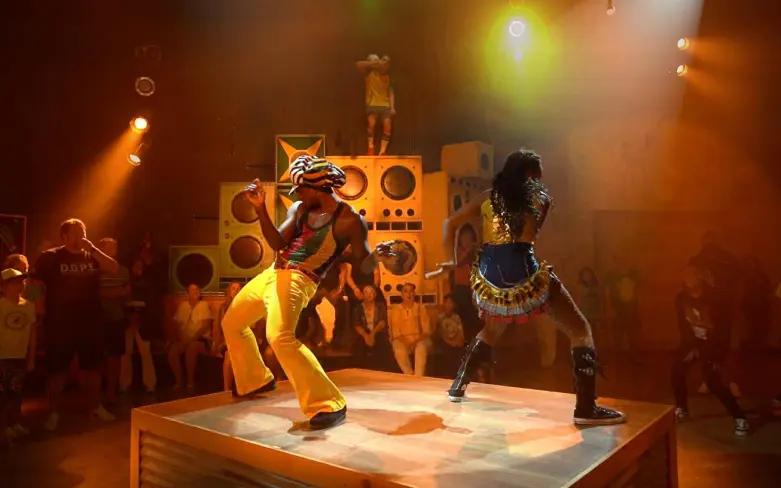
The later chapters — the international success, the political complexity, the illness, the death, the enduring legacy — each required their own design register, their own emotional atmosphere. The One Love chapter, at the end of the journey, is the one where the design opens fully — where everything that came before gives the emotional space its full resonance. You can only earn that moment by having taken the audience through what preceded it.
Las Vegas as the Context
Hope Road was designed for Las Vegas — specifically for Mandalay Bay Resort and Casino, one of the city's major entertainment destinations. Las Vegas draws an international audience from across the Americas, Europe, and Asia, and it is a city that has increasingly moved toward immersive experience design as a format distinct from conventional performance. The challenge of designing for Las Vegas is different from the challenge of designing for a cultural institution or a festival site: the audience arrives with a high threshold for production quality and a familiarity with spectacle.
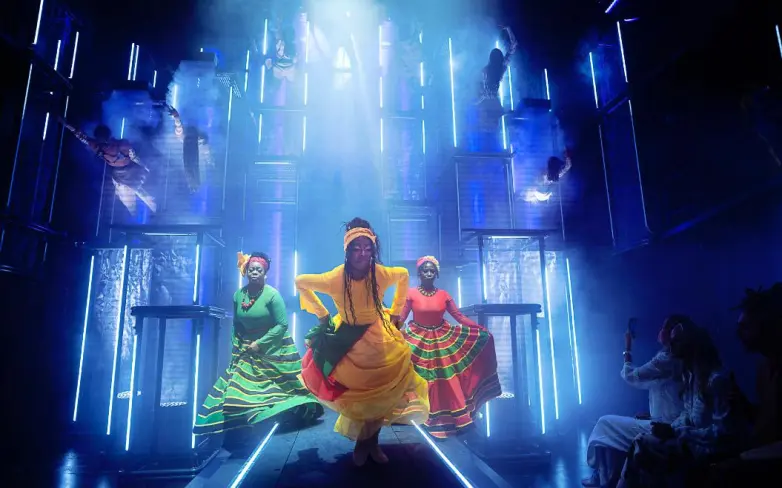
What that context demanded from the Hope Road design was substance. Las Vegas can make anything look spectacular. Spectacle alone is not enough. The production needed genuine emotional and cultural depth — to be the kind of experience the audience would describe not as impressive but as affecting. Bob Marley's story, told with the specificity it demands, is more than capable of that. But the design had to earn the emotional register rather than borrow it from the subject's fame. The fact that it is Bob Marley is not sufficient. What he stood for and what his life cost him — that has to be physically present in the environment, not just referenced by it.
The FiveCurrents Collaboration
Hope Road was produced by FiveCurrents and Primary Wave Music — my second collaboration with FiveCurrents, following Via Riyadh in 2023. Each collaboration has been different — different cultural territory, different production format, different design challenge — and each has pushed Studio Bound somewhere new. The FiveCurrents approach, as I've come to understand it across two productions, is built on a commitment to environmental truth: the conviction that the audience knows, at some level they cannot always articulate, the difference between a designed world that is genuinely thought through and one that has been assembled from available components.
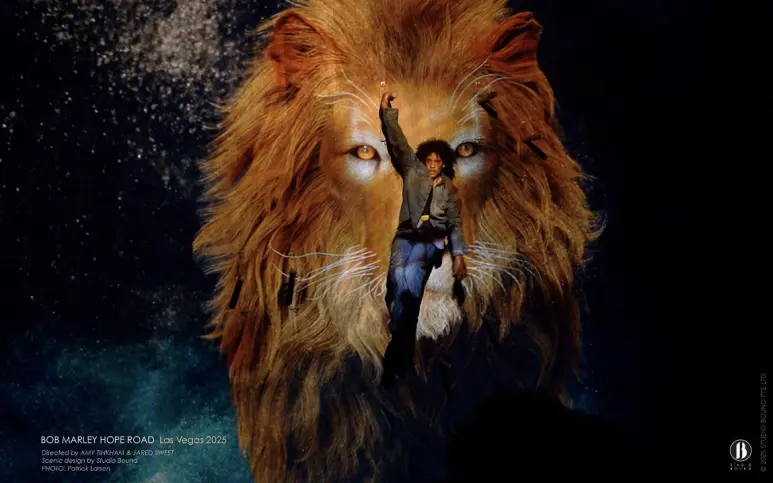
Hope Road is the commission where that commitment was most severely tested. The cultural weight of the subject, the emotional expectations of an audience that has a personal relationship with the music, the specific requirement to be truthful about a life that was genuinely extraordinary — all of it required a standard of design thinking that I found pushed me in ways the other commissions had not. That is the right kind of difficult. The productions that push me farthest are the ones that leave the strongest mark on the portfolio.
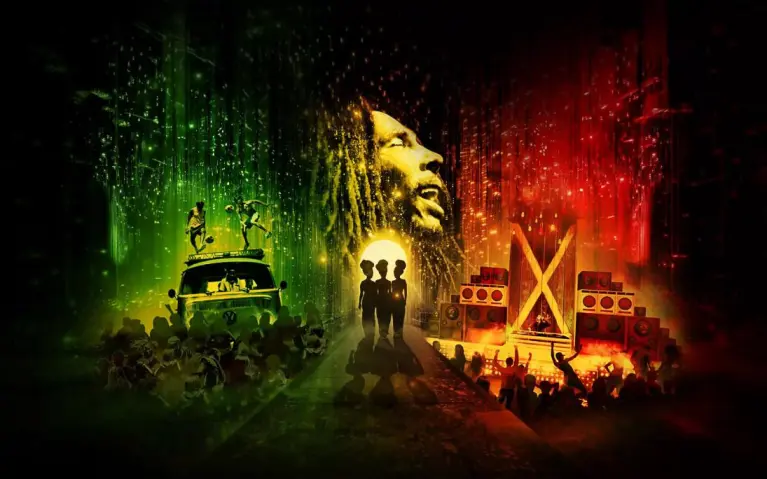
Bob Marley's music has outlived him by more than forty years and shows no sign of diminishing. The cultural conversation around his life and legacy — around Jamaica, around Rastafari, around the relationship between music and political resistance — is if anything more active now than it was in his lifetime. Hope Road is designed to be part of that conversation. Not to close it or to define it, but to give an international audience a physical experience of it that they could not have anywhere else. That is what the best immersive production design can do. It does not explain. It makes you feel. The explanation, if there is one, comes later — on the way out, or on the way home, or years from now.
Further reading: Designing Hope Road: Creating an Immersive Journey Through Bob Marley's Legacy | Studio Bound: Five Projects That Define Production Design in 2025

About Patrick Larsen
Patrick Larsen is an Emmy Award-winning production designer and the founder of Studio Bound, based in Singapore. Over two decades, he has designed environments for global audiences — from the Expo 2020 Dubai ceremonies and Olympic broadcast environments to Las Vegas residencies, Broadway-scale theatrical productions, and permanent installations across Asia and the Middle East. Studio Bound takes projects from concept to build with one fully integrated team of designers, concept artists, technical drafters, and production managers. Visit studiobound.sg or read more at patricklarsen.studio






