 In recent years, trading has become one of the most attractive fields for people looking for financial freedom. The idea of making quick profits through apps and platforms sounds simple and exciting.
But in reality, most people end up losing instead of gaining.
The real question is not whether trading can make money, but why so many people fail at it without even realizing the real reasons.
The Illusion Created by Marketing
Most trading platforms present themselves as powerful opportunities to generate income.
They show success stories, profits, and easy access to markets. At the same time, they include a small disclaimer about risk and possible losses.
However, this warning is often ignored or presented in a way that feels unimportant. As a result, many users enter trading with unrealistic expectations.
The Role of Referral Marketing
A large part of the trading promotion ecosystem relies on referral systems.
Many promoters earn commissions when new users register through their links.
This creates an imbalance in information:
Profits are highlighted
Risks are minimized
Losses are rarely explained in detail
The focus shifts from education to attraction.
Lack of Real Understanding
One of the biggest reasons for failure is entering the market without understanding how it actually works.
Many beginners jump in without learning:
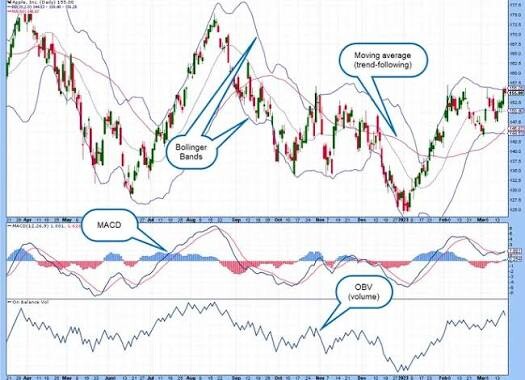
Candlestick behavior
Technical indicators
Market structure
Price trends and movements
This leads to decisions based on guessing instead of analysis.
Emotional Trading
Trading is not only technical; it is deeply emotional.
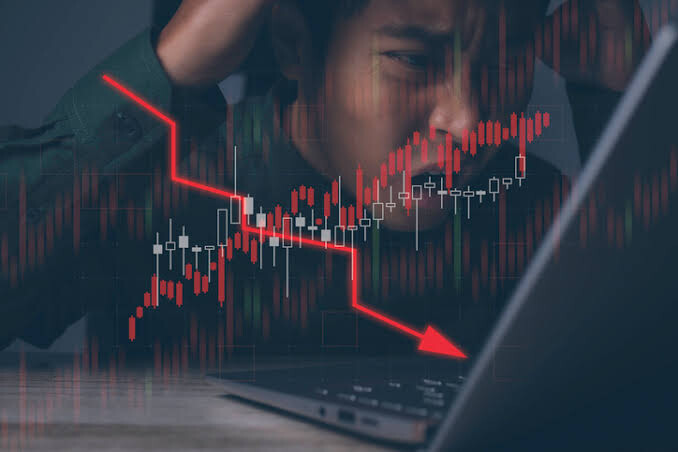
Fear, greed, excitement, and impatience often control decisions more than logic.
This results in:
Early exits from winning trades
Late exits from losing trades
Random entries without planning
The Danger of Early Success
A single win is often enough to create false confidence.
After the first profit, many traders:
Increase their risk
Stop following analysis
Start overtrading
This is where many accounts begin to collapse.
Repeating Mistakes Instead of Learning
One of the most destructive patterns in trading is repeating the same mistakes even after clear losses.
Even when logic says to stop, adjust, or step back, many continue the same behavior, hoping to recover losses quickly instead of correcting the real problem.
This creates a cycle of loss that becomes harder to break over time.
No Clear Strategy
Many traders enter the market without a defined plan.
Without a strategy:
There are no clear entry or exit rules
There is no risk management system
Decisions become random instead of calculated

Final Thoughts
Trading is not a shortcut to financial success, as it is often presented. It is a skill that requires time, discipline, and real understanding.
Most failures do not come from the market itself, but from how people approach it, how they react emotionally, and how they repeat avoidable mistakes.
Real success in trading is not about speed. It is about control, patience, and consistency.