Who Determined and Discovered Planet Names?
Have you ever thought who gave the names of a planet in the Solar System?
Why are the names of this planet named Mercury, Venus, Earth, Mars, Jupiter and so on?
Roman and Greek Mythology, Planet Names Taken From Thousands of years ago, humans Living in ancient times were interested in studying the Universe and its entire contents. They watched the contents of the sky and were amazed by the stars that flickered in the sky. Because of the limitations of technology and knowledge in the past, the planets were considered to be the Gods they had been worshiping. That is why the names of the planets were taken from the gods of the gods of Rome and Greece in accordance with the character of each planet.
The eight planets in the Solar System, including Pluto are no longer included. Named after the Greek goddess, there is only one planet that does not take the names of gods, namely our beloved earth.
- Mercury

Planet closest to the sun, this planet takes the name Mercury, the god of travel from Rome who has wings. Mercury is known to move nimbly like the planet Mercury which rotates rapidly around the sun nimbly.
- Venus

Venus is the goddess of love and beauty from Rome, according to apparently this beautiful glowing planet. Planet Venus is the only Solar System that shines brighter than the moon and sun. When it was first discovered, ancient scientists thought Venus 2 different stars appeared in the morning and night.
- Earth

Earth is the only Planet that does not take the names of gods and goddesses. The name Earth is derived from Old English and German namely Eorth and Ertha which means land. In Latin mythology, the name Earth is associated with a Goddess named Terra Mater, which was later translated into Mother of Earth in English.
- Mars

Name Mars is taken from the Roman god of war, because of its red color as bloodshed when in battle. Other civilizations mention Mars by a different name. For example, ancient Egyptian people called it the name of Her Desher, which means a red object.
- Jupiter
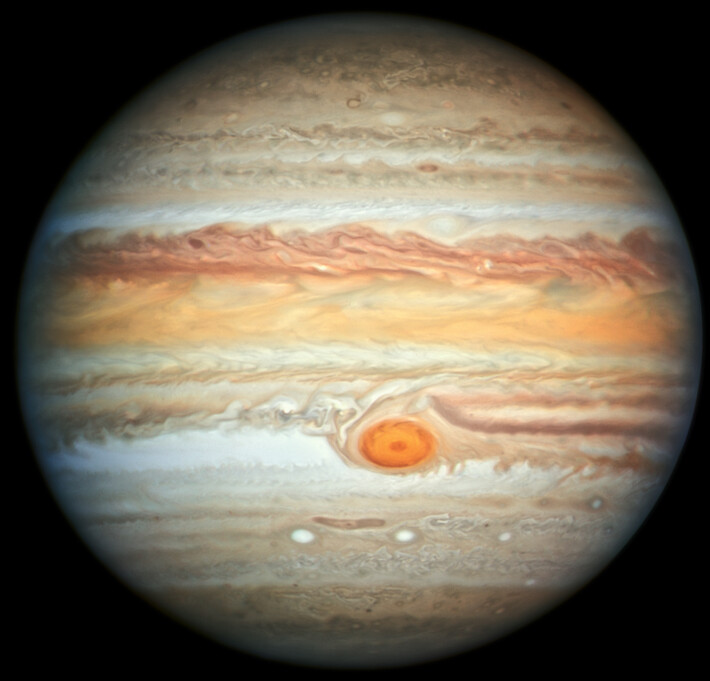
Because of its enormous size, Jupiter is often called the king of the planets. That is why the name Jupiter was taken from the king of the gods in Rome. According to Roman mythology Jupiter is the most influential god and has the greatest power In Greece, Jupiter is called Zeus, the highest god.
- Saturn
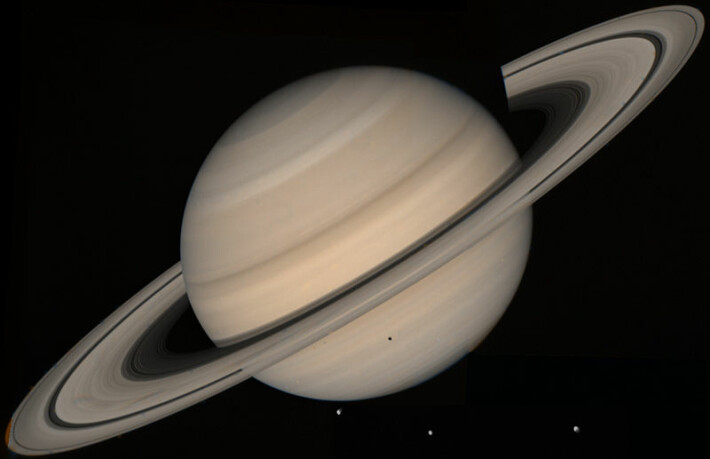
In Greek mythology Saturn is called the Cronus Father of Jupiter or Zeus. Saturn is a fertility god from the Romans. The name Saturn was taken because of the golden color of the planet Similar to wheat fields. There is an interesting story Behind the name Saturn, the position flanked by Uranus and Jupiter reflects the relationship of the three gods. Saturn is the son of Uranus who usurped his throne from his father. Saturn's throne was taken back by his son Jupiter.
- Uranus
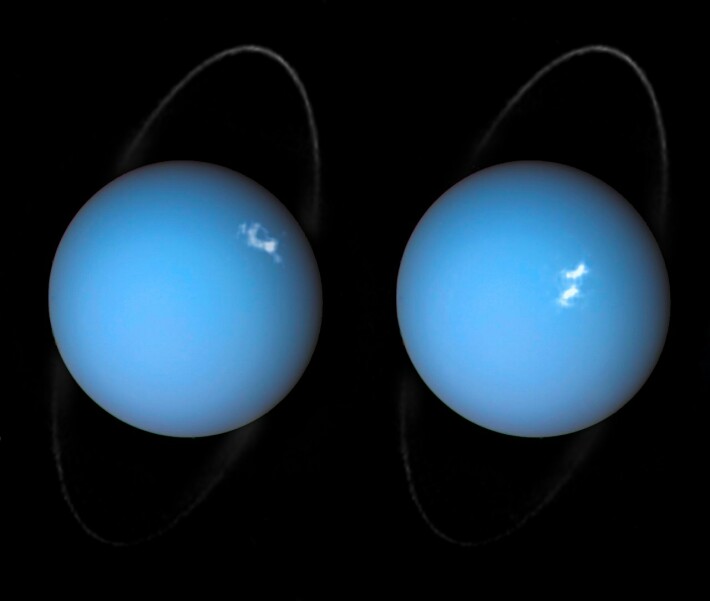
Uranus is one of the planets discovered in modern times, which is around the 1800s, although scientists are still continuing the tradition of naming planets with the names of gods and goddesses. In his time Uranus was once the king of the gods, before his throne was taken by his own son Saturn.
- Neptune

Neptune was originally given the name Verrier after the name of its discoverer, but because it was widely opposed by the public Finally it was replaced with the name Neptune The sea god in accordance with its blue appearance . In Greek mythology Neptune is called by the name of Poseidon.
- Pluto
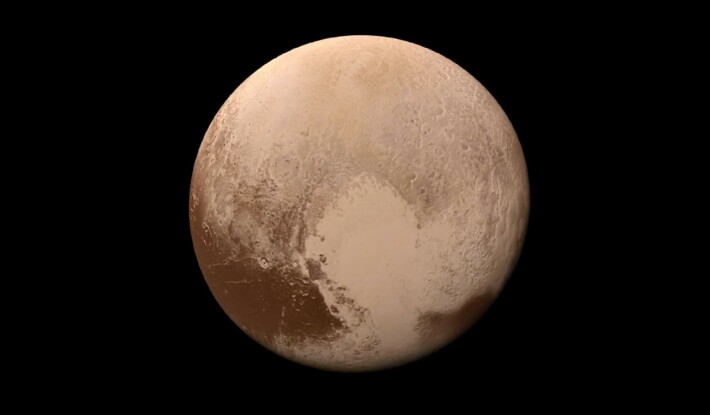
Now Pluto is no longer a planet, its size is too small And its composition is different from the planets in general Making Pluto categorized as a dwarf planet, Even so Pluto was once the farthest Planet from our Solar System. However, Pluto himself was taken from the Roman god of darkness. This name was chosen because of Pluto's dark and cold conditions. According to Roman legend Pluto was the brother of Neptune and Jupiter. In Greek Pluto is called by the name of Hades.
Because most of the planets found from ancient times no one knows for sure who gave his name, but from the discussion earlier we can know that humans in ancient times with makeshift equipment can already observe the universe Compared with advanced technology In modern times, they seem to be great once?
That's all, thank you for reading.