The Evolution of NFTs: From Boom to Transformation
The meteoric rise of non-fungible tokens (NFTs) in 2021 marked a revolutionary period in the digital art and cryptocurrency spaces. From digital artwork fetching millions to celebrities launching their own NFT collections, the market saw unprecedented activity and speculation. However, this initial frenzy has since cooled, leading many to question the future of NFTs.
Market Correction and Decline
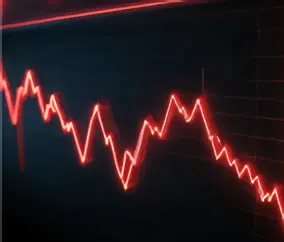
The decline in NFT trading volumes and prices has been stark.
Popular collections like Bored Ape Yacht Club saw their floor prices drop drastically from their peaks, reflecting a broader market downturn often referred to as the "crypto winter".
Daily sales volumes have decreased significantly, indicating a reduction in speculative buying.
Signs of Recovery and New Trends
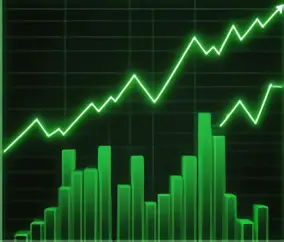
Despite the downturn, there are signs of recovery and evolution within the NFT space. Towards the end of 2023, NFT sales began to pick up again, with December seeing volumes surpass $1.5 billion. This resurgence was partly driven by innovations in the NFT market, including the integration of NFTs into gaming, music, fashion, and sports.
These sectors offer practical applications for NFTs, providing tangible benefits such as improved creator rights and enhanced fan engagement.
Technological Advancements and Sustainability
The future of NFTs is likely to be characterized by technological advancements and a focus on sustainability. Innovations in blockchain technology, such as more energy-efficient systems, aim to address environmental concerns that were prominent during the initial boom.
Additionally, there is a push towards cross-chain interoperability, enhancing the utility and accessibility of NFTs across different platforms.
Industry Integration

Major brands and companies are exploring the potential of NFTs. For instance, Starbucks launched a successful NFT collection, and Ticketmaster has minted millions of NFTs for event ticketing, highlighting the growing mainstream acceptance and application of NFTs.
These developments indicate that NFTs are moving beyond mere collectibles and are being integrated into broader technological and economic ecosystems.
Conclusion
While the NFT market has undoubtedly cooled from its 2021 highs, it is far from dead. Instead, NFTs are evolving through a natural market correction, shifting towards more sustainable and utility-driven applications. This transformation suggests that NFTs will continue to be a significant part of the digital landscape, offering new opportunities and innovations across various industries .
The NFT journey is ongoing, and the next wave of innovation might be just around the corner, paving the way for a more stable and integrated future for digital assets.