
As we enter the final quarter of a bizarre yet eventful year, Nexus continues to meet milestones toward community and use case commitments. The combined effect of turbulent market sentiments and Decentralized Finance (DeFi) hype cycles have not been kind to many high quality projects in the industry. However, it is imperative for emergent solutions to focus on achieving established objectives and not be swayed by short term market trends.
With the current DeFi mania in mind, the community and development teams have remained attentive by analyzing this sector for legitimately innovative techniques and technologies. There have been many intriguing conversations on the Slack and Telegram community channels with regard to wrapped tokens, stable varieties, oracles and bridging capabilities (special thanks to Mitote!). The development team intends to investigate these persistently as many use cases require relative functionality.
Extraordinary headway has been made in many areas including lite mode (mobile wallet), pooled staking, augmented contracts, core optimizations and prospective project integrations. We want to thank the community, partners and organizations around the globe for their continued support, patience and dedication as we finalize these groundbreaking technological innovations!
Note: Two adjustments will be made to the quarterly reports moving forward. First, the schedule is being adjusted to align with the seasonal equinox and solstice calendars. The final quarterly report of 2020 will be published on Dec. 21st, with 2021 adhering holistically. Secondly, the content will be divided into an ambassador and developer report, each delivered independently.
Current Blockchain Metrics
The below graphics are pulled from the Nexus Blockchain Explorer Metrics section showing mining difficulty statistics on the blockchain for the last week. Please visit the Nexus Blockchain Explorer or NXS Orbital Scan website for updated and additional blockchain information.
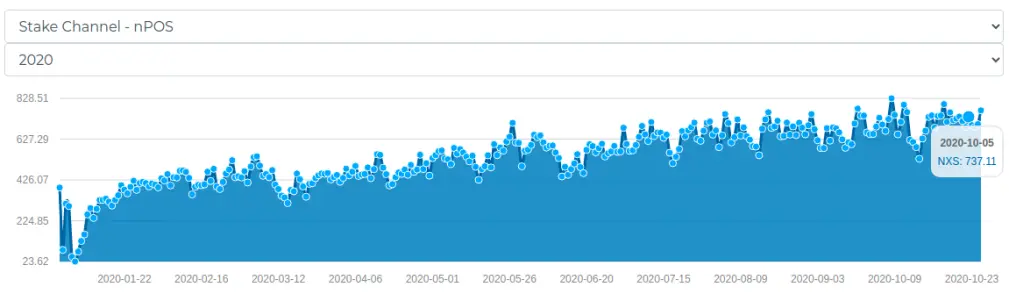
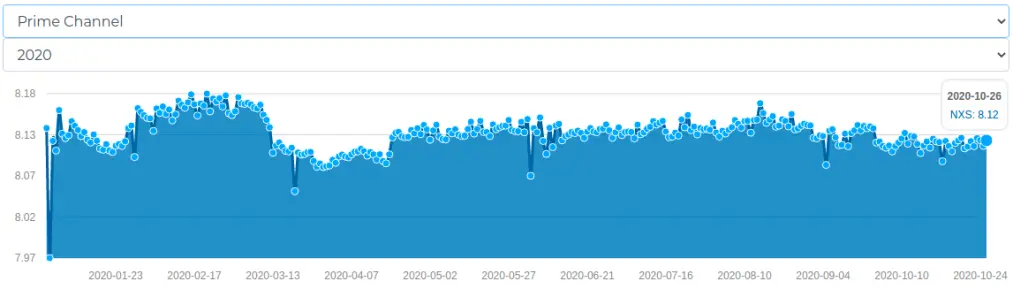
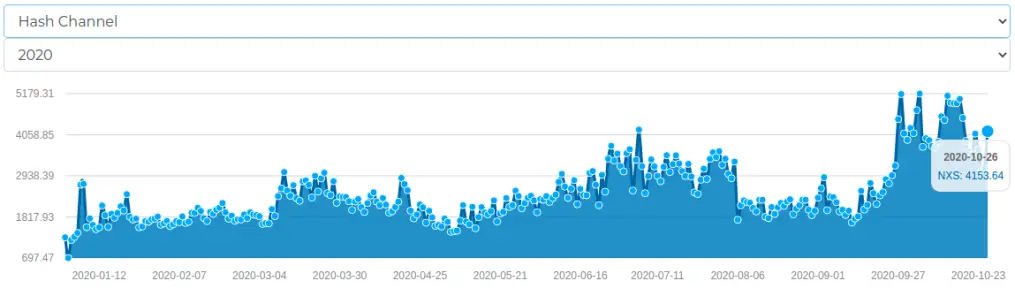
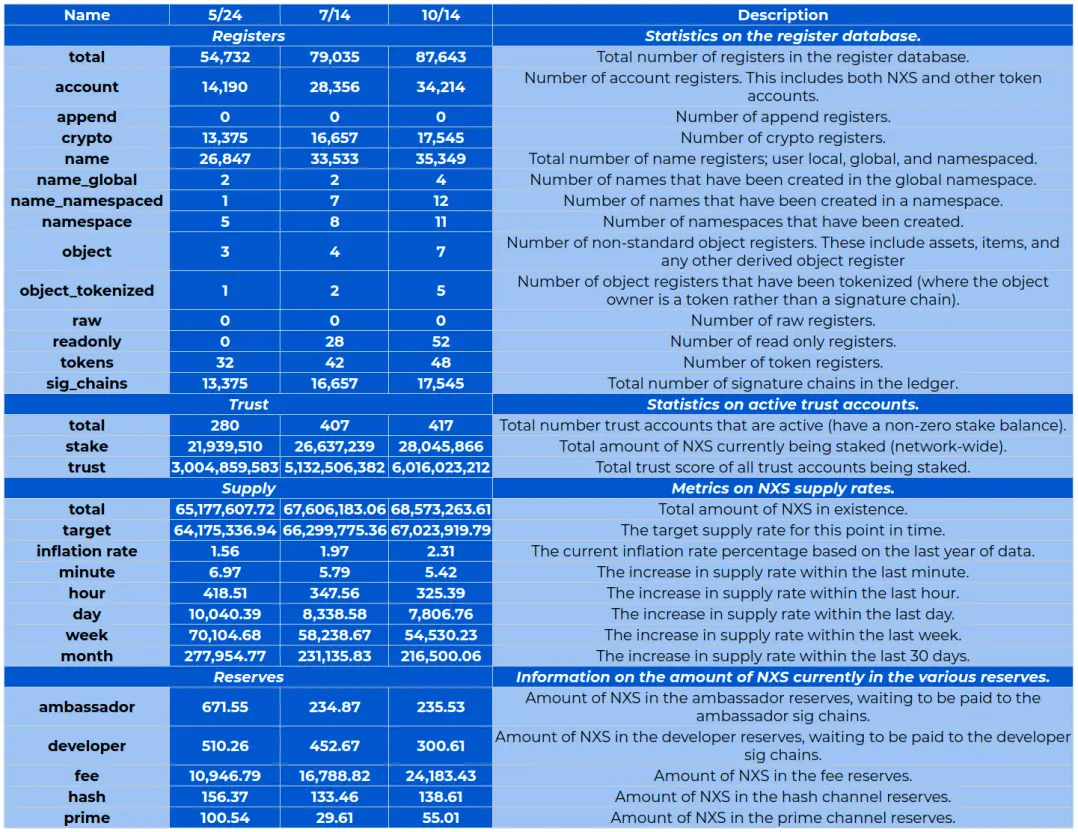
Examining the number of tokens, accounts, names and similar values can provide greater insight into the development activity on a blockchain. In the last quarter account registers have increased by 20.6% and a total growth of 141.1% for the entire year. Additionally, we have seen a 5.2% rise in overall NXS staked this quarter, and an overall 28.8% gain since May. This shows increased engagement in the ecosystem and eagerness from users to retain custody and improve network security. The below information is pulled from a node using the System Application Programming Interface (API) functions. specifically the “system/get/metrics” command.
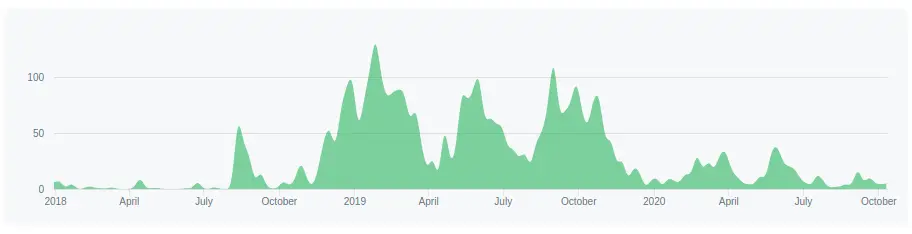
Github can be another great guage for the level of development activity. It’s clearly not a timely or ultimate indicator as many tasks, activities and related work are done offline until ready to be merged. This is especially true considering extra-curricular developer activities such as consulting, onboarding and piloting new DApp projects as well as innovating with satellite, terrestrial mesh networks and similar special projects worked in parallel.
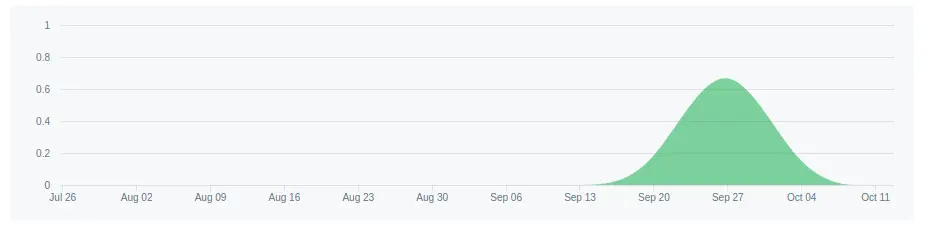
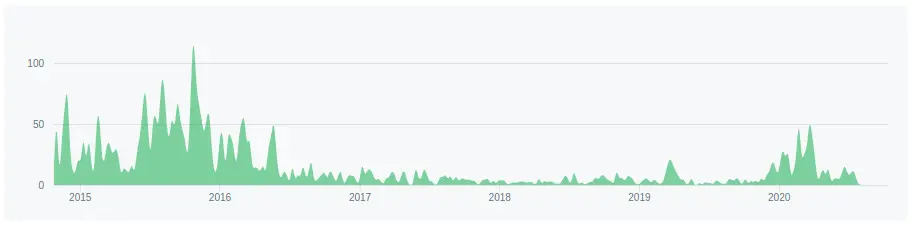
The below charts are pulled from the Nexusoft Github repository insights pages. LLL-TAO, LLL-OS and LLL-MCT have received the most activity although additional progress for other portions of the project are reflected on the website respectively.
LLL-TAO contributions to merge
LLL-OS contributions to merge
LLL-MCT contributions to master
Development Updates and Accomplishments
8/07/20 - Nexus @DEFCON BlockchainVillage - Security Focused OS Design: Lower Level Library - Operating System (LLL-OS) presentation provided by Colin Cantrell.
- Colin provides a high level overview of the Nexus architecture, solutions and inspirations that spawned the LLL-OS creation. Technical details and insights are also reviewed regarding the culmination of innovations and integrations from the TAO framework that will bring the hack-resistant LLL-OS to fruition. This is a marvelous, must-see presentation concerning a foundational pillar necessary to complete the crucial paradigm shift away from ‘the powers that were’.
- An article with the LLL-OS content from the presentation will be released soon on Publish0x and Medium for those who prefer reading.
09/21/20 - Developer Zoom Update
- The last quarter primarily focused on architectural design and implementation tuning/testing for the mobile wallet, pooled staking, LLD optimizations, APIs, augmented contracts and Decentralized Exchange (DEX).
- Mobile daemon is now running on the iPhone Operating System (iOS) wallet! This is a huge accomplishment and Kendal provides a live demonstration @43 minutes into the video.
- Similar to how modules and Decentralized Applications (DApps) can be created on the Nexus wallet, the same will apply to the mobile development framework so anyone will be able to package this as a node. Public and private DApps will eventually have a rapid development framework to build directly on your phone. Instead of DApp store/directory, Metamask and similar services, Nexus DApps will be available standalone on Android, iOS or via a web interface enabling optional points of access.
- The team has recently been working on the LLL-OS investigating monolithic and microkernel-type architectures to determine the best fit. Initially, research was accomplished using an OS designed by Cornell University professors although it’s a bit grimy so additional microkernels such as seL4 and similar (L4) are being strongly considered. The LLL-OS requirements are significantly different from conventional architectures especially considering the distributed computing aspect, so most of the components need to be developed. For perspective, the seL4 OS is only 35-40k lines of code whereas Tritium is currently approximately 100k, this is reasonably manageable considering the delta.
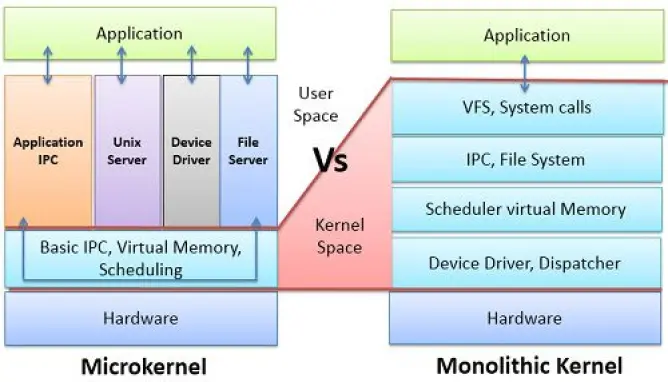
Source: https://techdifferences.com/difference-between-microkernel-and-monolithic-kernel.html
- While the primary focus has been on microkernels, the design is beginning to morph into more of a micro service stack architecture. Each component of the LLL-OS will run in their own space requiring authentication to get in and out instead of grouped together in the user and kernel spaces with limited access restrictions. This creates a formidable first line of defense; in order to access the kernel, an attacker would have to penetrate Nexus. The design will not only significantly improve security but also redundancy and stability. Furthermore, it also creates more of a modular system improving scalability, customizability and deployment strategies.
- Software-defined routing is a fundamental aspect of the LLL-OS because every device is going to be a stateless router on Safenet. Victor (Cisco) and a few others are still actively assisting with the stateless GPS routing system.
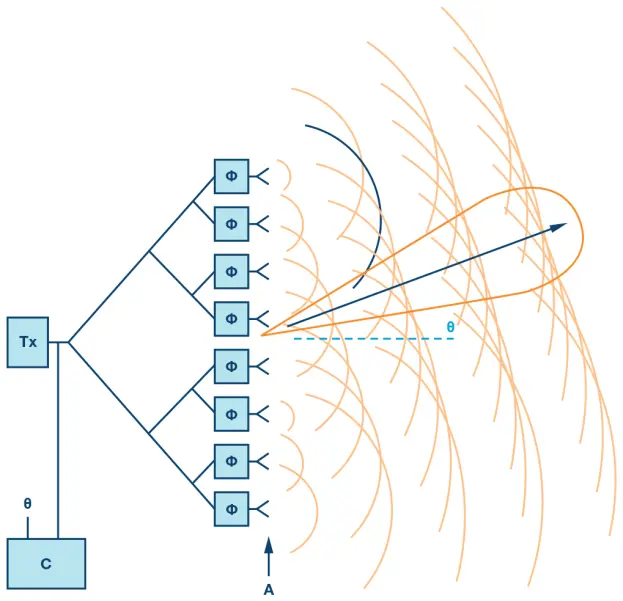
- A variable frequency phased array has been identified that works with software-defined radios. Phased array basically means there are several antennas in an array which is a harmonic of the wavelength of the frequency. To change the frequency of a specific antenna in a typical phased array, the distance between the static antennas must be changed. A new company the team is working with provides variable frequency functionality in the phased array antennas which is actually incredible.
- These antennas are absolutely crucial to support multiple frequencies so we can start to characterize and create software-defined radios as well as GPS based routing system with tokenized cube satellites, mesh networks and endpoint nodes. Ultimately, this will result in extremely high gains over great distances with decent bandwidth (5 gigabits per second) per beam, using 5.8 ghz downstream (900 mhz upstream, <1 gigabit per sec.).
Phased Array Antenna Beamforming (not variable frequency)
- We have been discussing democratized routing utilizing reputation based on network contribution merit, creating a very low barrier of entry with no Internet Service Provider (ISP) competition. There will be a small NXS fee allocated to the mapping system or tokenized satellites to store Routing Locators (RLOC) for the Locator Identifier Separation Protocol (LISP).
- LISP will function off of an Internet Protocol (IP) and Nexus Protocol (NP) address initially, however eventually transitioning to a NP address exclusively. The team is close to the specifications phases for the new NP design ultimately removing the requirement for IP completely with the emergence of more software definition utilizing stateless GPS based routing, mesh networks and tokenized satellite distribution. Switching from IP to NP will still be available without any inconsistencies in the interface. This will be completely transparent to the users maintaining the simplistic functionality we experience with the internet today.
- The initial stages of this new NP are extremely important as the implementation takes shape because the network can take time to build itself. This draws upon Satoshi’s vision with blockchain gamification applying incentives for positive participation. Full network coverage will clearly be unavailable early, however with awareness, adoption and adequate nurturing it will eventually come to fruition organically.
- More security, hardware, network and software working group meetings are planned with best of tech breeds from respective fields. This is precisely why the relationship with top echelon technical individuals has been essential for the initial architecture development. The DEFCON presentation also had an incredibly positive reception, resulting in additional key security community expert introductions.
- Nexus is planning to focus more on security rather than blockchain conferences moving forward. With the proliferation of IoT, nano and similar technologies applying atrocious security properties, it appears to be a more effective approach. Blockchain gatherings are great when they are not recycling content, however the industry is still in its infancy and some of the best use cases are on the outside not looking in.
- The real-world valuation of both BTC and ETH appear to be stalled, their usability is diminishing for similar reasons. Projects building real DApps are not using ETH, they are basically just using an ERC20 token and everything else is not touching blockchain. Nobody wants to have their critical application components and data tangled into a protocol that is falling apart. Smart people and projects are waiting for the right blockchain.
- Nexus has been engaging some of these smart people waiting in the wings, helping them understand the broad range of use cases and benefits provided by the TAO framework. There are now close to a dozen major projects actively building on Nexus including social media, transportation, digital identity and more all with positive feedback. Community members are also starting to build smaller DApps and modules such as gambling and games.
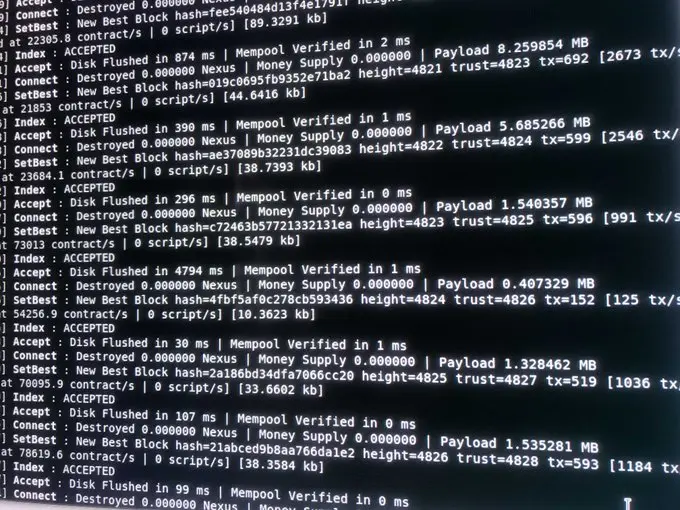
- Colin is still hammering out LLD optimizations although constant time is complete with the primary and secondary bloom filters finalized. Isolated testing is averaging approximately 180k reads per second. It fluctuates between 175k to 185k however constant time remains 100%. Fibonacci linear probing is being finalized essentially allowing the database to fill up.
- Pruning is next on the agenda, this will occur on different levels and should provide a massive scaling improvement once released. This could allow the chain to comfortably process a few thousand transactions per second for at least a year before and disk usage and similar issues appear. Some slowdown may occur once the database is close to 90% and reverse linear probing is necessary although the majority of performance degradations have been corrected.
- Currently, we have the Nexus Embassy US and Nexus Development US Limited Liability Corporation (LLC). A US Ambassadors LLC is in the process of being created and operating agreements are being worked on to reflect the social organizational structure. A developer SigChain was allotted to the ambassadors working group and the community settled on primarily managing this from the US which inspired the additional LLC decision.
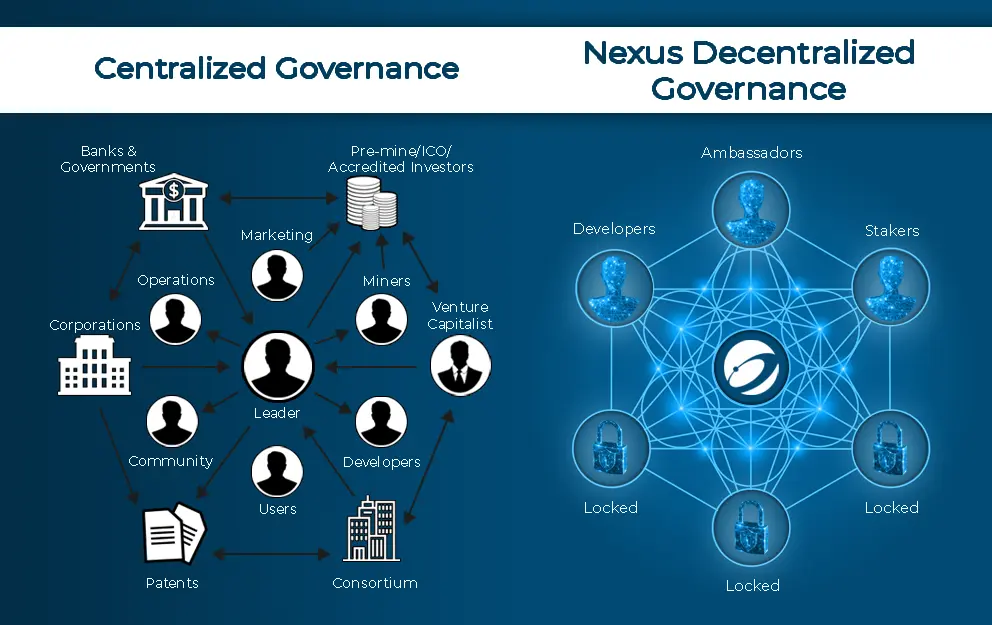
- In October the ambassadors will be holding a Zoom call to provide an overview of the marketing strategies and absorb feedback from the community. Every Embassy will have ambassadors and they will be communicating with people and organizations, consulting, engaging public appearances, managing marketing and more.
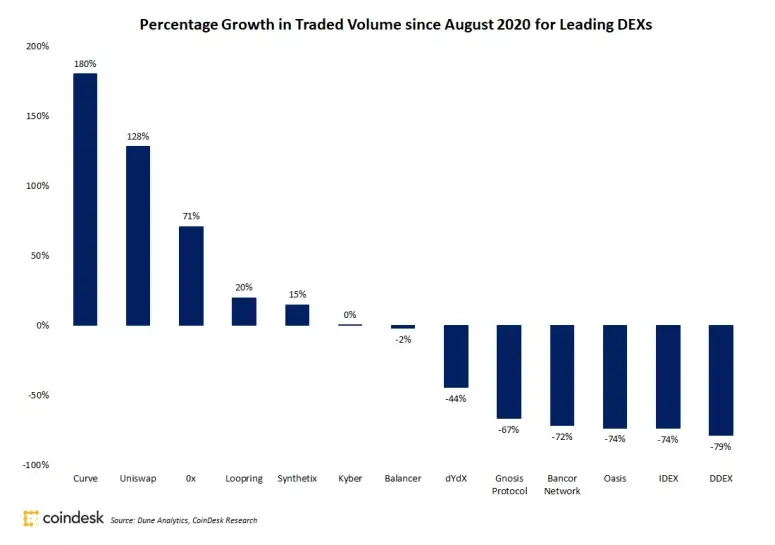
- Paul reiterates Colin’s statement about real world use cases especially with the current DeFi craze sweeping through the cryptocurrency industry. If you drill into it, there are very few real world use cases although it’s also not completely the ponzi people make it out to be (however plenty exist). There are some important concepts that are being explored and experimented with. 99% of the DeFi users appear to be crypto traders and similar individuals with very little external engagements; it’s too slow, expensive and lacks extrinsic applicability at this time.
- Due to DeFi’s lack of real world adoption, scams are becoming more prevalent as the copypasta intensifies. It’s a very risky sector at the moment where a single steep market swing, attack (remember DAO!) or similar negative events could collapse the entire sector. Nexus is not opposed to many of the concepts being explored however the team and community are carefully assessing safety, integrity and legality aspects before implementing core capabilities.
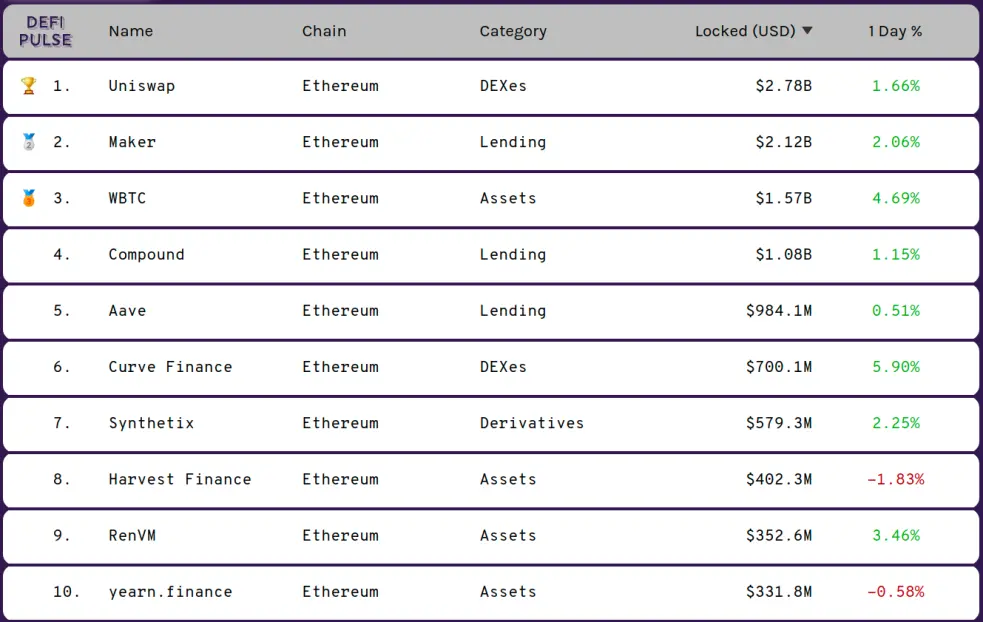
Source: https://defipulse.com/
- Kendal provides a live demo of the mobile wallet and insights into development obstacles and resolutions thus far. Blockchain mobile wallets and banking apps were researched prior to development to assess respective UI and features. The initial release will include basic functionality; tokens, assets and namespaces will be made available in future updates. Testflight is planned for use with beta testing to deploy in a more organized fashion.
- Significant time has been spent developing the mobile framework, this is an essential architectural component. DApps built with the framework can be deployed in a standalone fashion without the mobile wallet. Apple is certainly the most challenging from many respects. Most of the issues have been resolved however these rules change constantly in the mobile ecosystem. For example, embedded applications within one another is a forbidden construct as this resembles an “app store”. Additionally, staking or similar types of “revenue generating” services on iOS are prohibited. The dev team will continue to look for innovative ways to alleviate these limitations (Layer 1 processing, LLL-OS, P2P API to home node, etc.), anything is possible!
- Pooled staking is done, development testing is complete. Scott is currently working on adding multi-user staking functionality to this design. A public test-net for pooled staking with at least 100 participants will be formalized very soon. Mobile/lite node beta testing will likely be combined with this effort.
- Paul has been putting more focus toward assisting use cases building on Nexus and API bugs the last few months. Part of the use case and API support has been working with Bubble and the TLS implementation. Nexus design uses self-signed ephemeral certificates generated each time the node is initialized. Bubble does not support the use of self-signed certificates when making API calls so adjustments have been made to use one from an externally signed certifying authority.
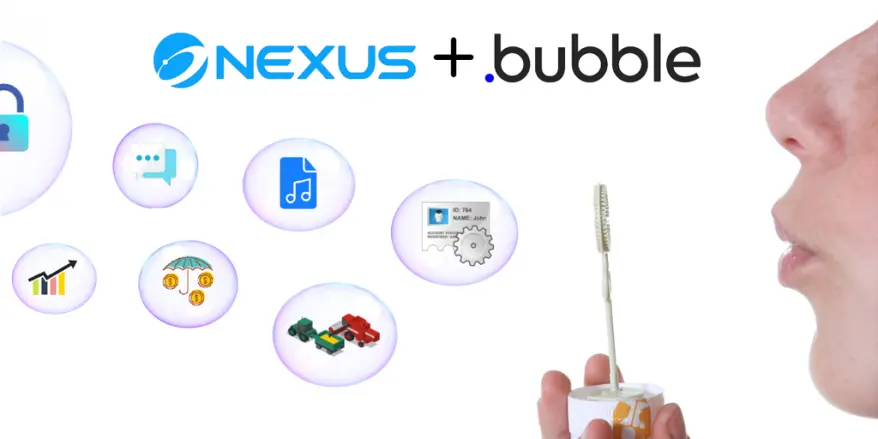
- One use case leveraging Bubble is very close to Minimum Viable Product (MVP) and this has helped with the integration of additional APIs into the plugin. As a result, there are now 5 or 6 new projects using Bubble to accelerate their creations. This has increased the level of nurturing required from the development team to get these folks off the ground, ambassadors are also beginning to assist where possible. Paul has created a Bubble test DApp that provides basic features including login, account information, and transaction data to illustrate the simplicity of the plugin. Bubble will not allow this to be published on the market place however Paul can transfer a copy of the test DApp to anyone interested. The primary lesson learned here is we need to establish better documentation to alleviate load and these efforts are well underway.
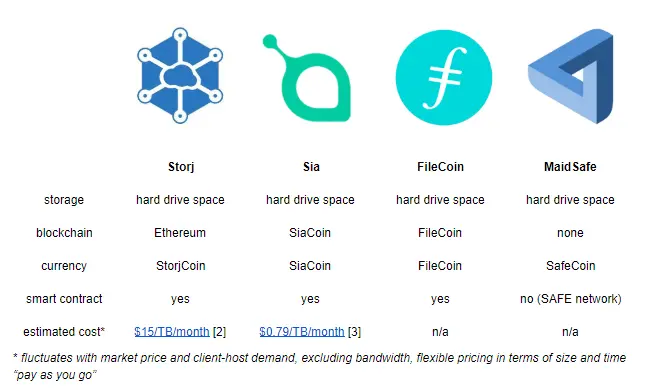
- Paul has three major features on his plate that will be released in the next two Tritium++ forks. First is the file system API with metadata hashes stored on chain with the actual files stored elsewhere (Local, IPFS, Nexus decentralized LLD storage, etc.). The Nexus decentralized LLD storage can be compared to Filecoin however we are applying it as a feature instead of a completely dedicated blockchain. This will be integrated with augmented contracts, APIs, DApps, satellites and other features available on Nexus. These files can also be encrypted with a SigChain key from the crypto object register. So when using IPFS or the LLD storage nothing will need to be stored locally. Combine this with the LLL-OS one will be able to login anywhere and automatically synchronize data stored on these decentralized solutions!
- The LLD storage design is fundamental to the LLL-OS and this spawns significant difficulties trying to leverage another project’s creation, hence why Nexus needs to establish this natively. That said, this is a modular open source design so incorporating other solutions like Sia, Storj or similar should be trivial if a developer desires this in a deployment.
Source: https://investmentbank.com/blockchain-cloud-industry-intro/
- Second is a major architecture adjustment to the API functionality. For example, there is a single method call when sending NXS currently. This will still be available however there is a need for calling multiple API methods to enhance this capability with several contracts. For instance, debit two accounts, create an asset and allocate it to a particular SigChain in a single transaction, including perhaps over a period of time and/or triggered by events. A primary reason behind this is to have off-the-shelf conditions that can be applied to any contract. Illustratively, this would allow a contract expiry to be set once for multiple API methods instead of individually. Augmented contracts will expand upon this by allowing developers to create their own conditions to build up over time and have these standard templates to be available universally, including in GUI (attributes including reversible, immutable, etc.).
 Source: https://www.coindesk.com/september-decentralized-exchange-dex-volume-growth-uniswap
- A question from the community on Binance adding the USD pair for NXS was asked. Paul inquired and the answer is no due to low volume. NXS would need to be in the top 25% for eligibility. Unfortunately, it’s a chicken or the egg scenario although this is why the team has been focusing on use cases and real world value to drive adoption that will ultimately lead to more volume.
- Another question from the community was resource usage expectations pertaining to the multi-session wallet implementation. Paul indicates this should have minimal impact, in the megabytes for memory and minuscule CPU, because much of the time is idle when not calculating. Theoretically, it could support hundreds of user sessions staking depending on the available resources although this has not been tested.
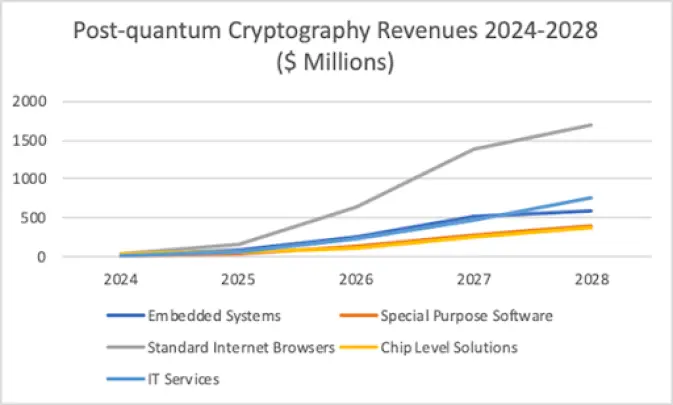
- Question from Ryan, if we want to change keys to FALCON does one lose access to their SigChain? The answer is no. Currently, an adjustment must be made to the config file and the next transaction on the SigChain will be changed to Falcon keys. A new method was created in the Crypto API, available in the next hard fork, where one can just type in the command to perform the change instantly. Additionally, all of the keys in the crypto object register will be changed. The current config file method is not ideal and it is recommended to wait for Crypto API updates to proceed. Additional types of keys will also be supported eventually including Edwards, 25991 curve and SECP256K1 (Bitcoin) and potentially others. The SigChain is where much of the public key core security is established so even weaker keys could be used with minimal risk due to the small subset of exposure time, however this is not recommended. Furthermore, beyond public keys, additional post quantum encryption types are being investigated.
Source: http://www.globenewswire.com/NewsRoom/AttachmentNg/7ce4bcb1-7134-4a3c-ab46-7362c807770f/en
Use Case Updates and Accomplishments
- BEF - We are pleased to announce the launch of the Biodiversity & Ecosystem Futures (@BEFLimited), a registry enabling the tracking & trading of assets (e.g Carbon Credits) incentivizing environmental regeneration. Please refer to the Publish0x announcement for more details. Additionally, Paul interviewed Mike Davis who provided an overview of the project, platform demo and reasons Nexus was select over the rest.
- Free & Equal - The initial MVP has been built using Bubble! Amanda (@Mandacm) did a magnificent job putting this together in such a short timeframe! A brief demo of the features and functionality is now available. The 2nd Free and Equal presidential debate was held on Oct. 8th, and the voting DApp demo was provided during the presentation!
- CoolADE - Significant progress has been made on the MVP using Bubble. The project is still progressing however specific aspects have stalled due to developer priority shifts. The team is seeking additional developers to accelerate the build so please reach out to Eric Sullivan if you know of anyone who can assist. Additionally, the team is planning a kickstarter to raise funding for initial development efforts, announcements regarding this are forthcoming.
- A brief biography of Jim Cantrel was published recently including information on his new company.
- Several additional use cases are actively developing on Nexus. Announcements will be provided once authorized by the respective project teams.
Community Updates and Accomplishments
- 07/24/20 - Block explorer has been updated to include a rich list. Thanks again, Glenn Bogaerts!
- 08/03/20 - The community held a Nexus slogan contest with the winner awarded 250 NXS and logoed T-shirt to the runner-up. Congratulations to Sid for suggesting the winning slogan, "Building the future of decentralization"! However, in a final run off against the original slogan, Sid’s suggestion was defeated by a small margin, but he still received the award. We still plan to include his slogan in marketing aspects although it will not replace the original.
- 08/19/20 - Nexus Bubble plugin official release announcement. Nexus is the first blockchain to provide a plugin on the Bubble platform and is receiving overwhelmingly positive feedback!
- 08/22/20 - A brief video overview of the LLL-OS, Satellites, Safenet and OpenMCT is provided by The Digital Future. Splendid results, Arun!
- 08/23/20 - Colin discusses the future of the internet at the Philly Crypto Jawn along with numerous other crypto influencers including keynote speaker Tone Vays. Many thanks to Nathan (@integrityshow) for organizing the event and everyone who assisted and presented!
- 08/25/30 - Tatiana and Josh have a conversation with Colin about the future of the internet and what Nexus brings to the table.
- 08/30/20 - Congrats to @Crypto_Sensible, one of our community ambassadors on his first publication. Read about his thoughts on the importance of spreading #crypto awareness.
- 08/31/20 - Nexus community member Mitote wrote an excellent introduction for the initiation of the DeFi working group on slack. Marvelous initiative, Mitote!
- 09/01/20 - A sneak peek of the mobile wallet was provided. Can’t give enough kudos to Kendal for all the hard work!!
- 09/10/20 - An article on the LLL-OS and Safenet aspects is provided by TheDigitalFuture. Thank you, Arun! (@aeonwise)!
- 09/11/20 - The InstaSwap widget was released on the Nexus website. Great work again, Amanda!
- 09/11/20 - A nice little article about Nexus written on Uptrennd by @RexyCrypto. Thanks, Rexy!
- 09/17/20 - Nexus plugin announced on the Bubble Forum.
- 09/22/20 - Arun from The Digital Future provides a guide and video tutorial on how to compile the Nexus wallet and basic API functionality. Outstanding work, Arun!
- 09/23/20 - Happy birthday Nexus!
- 09/24/20 - Tritium++ roadmap and features are discussed in an article provided by The Digital Future. Awesome as always, Arun!
- 09/24/20 - A brief overview of the TAO Naming Service was written on Publish0x. Thank you, Mitote!
- 10/02/20 - Tokenizing Assets guide has been officially published on the Nexus website. Excellent job, Neal Helman!
- 10/05/20 - A short video was released highlighting the wide range of use cases available on Nexus. Many thanks to Arun and his lovely wife, beautiful results!
- 10/06/20 - Another quick and informative article on the intriguing P2P API from Arun. Keep up the great work!
- 10/06/20 - Nexus is now live on Publish0x! One of the first articles on the platform provides An Introduction to SigChains. Excellent article, Mitote!
- 10/13/20 - Nexus forums and community work groups have been published on the website. Thank you, Amanda!
- 10/23/20 - Mobile wallet article was released on Publish0x. Brilliant work, Shea!
Road-map and Roadblocks
- The road-map below is referenced from the Nexus website and was updated on October 14th, 2020.
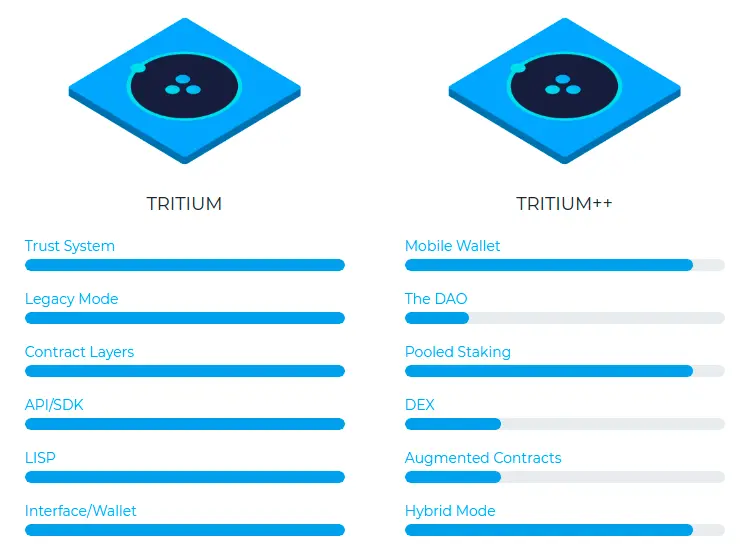
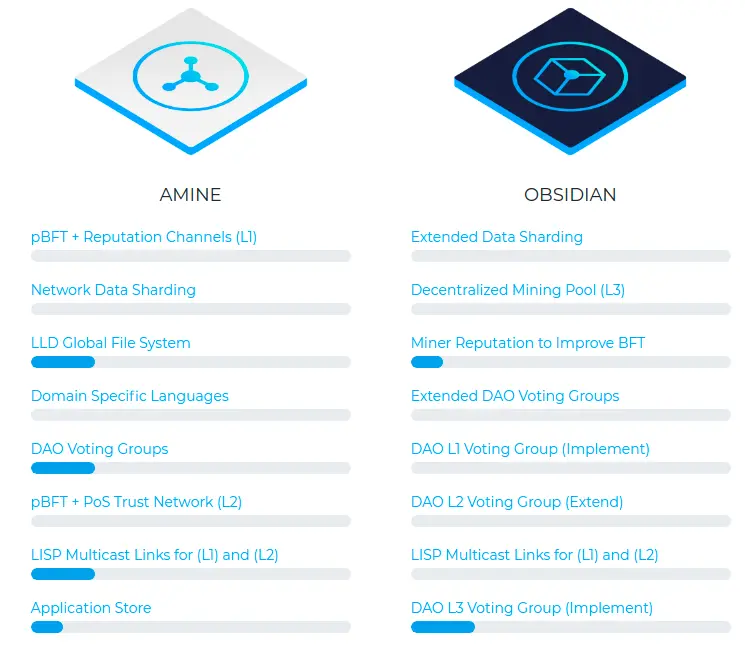
- No roadblocks are worth noting at this time.
Goals for Next Quarter
Pooled staking, API enhancements, DEX, LLD performance optimizations, and mobile wallet/lite mode continue to remain top priorities and all are nearing completion!!






