First, a little fun with artificial intelligence. This program works a little differently than what I know so far. Because he creates images using words, but also your invention.
To create a picture, it is necessary to make a sketch, an outline that will be used to create the composition. I admit that some designs are quite satisfactory.
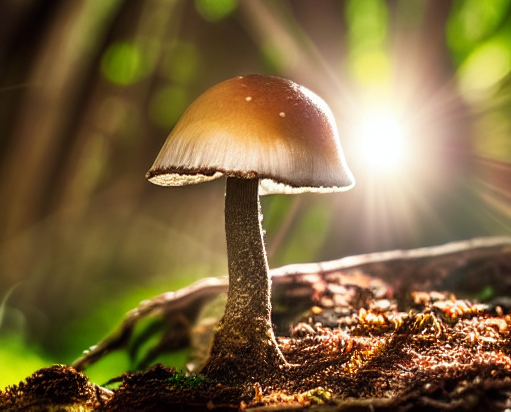
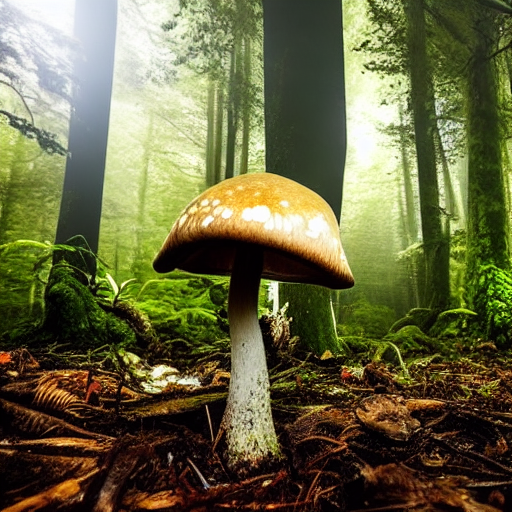
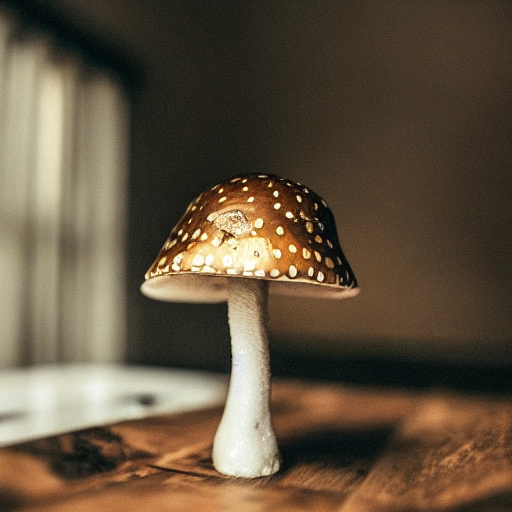
Here are some examples, on the left hand drawing, on the right the vision of artificial intelligence:
Photo of the mushroom in full sun

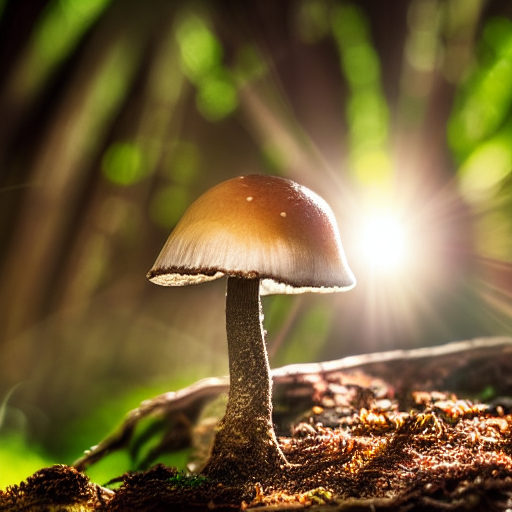
Photo of a mushroom in a dark forest
Picture of a mushroom on the kitchen table
here's a link to artificial intelligence https://scribblediffusion.com/
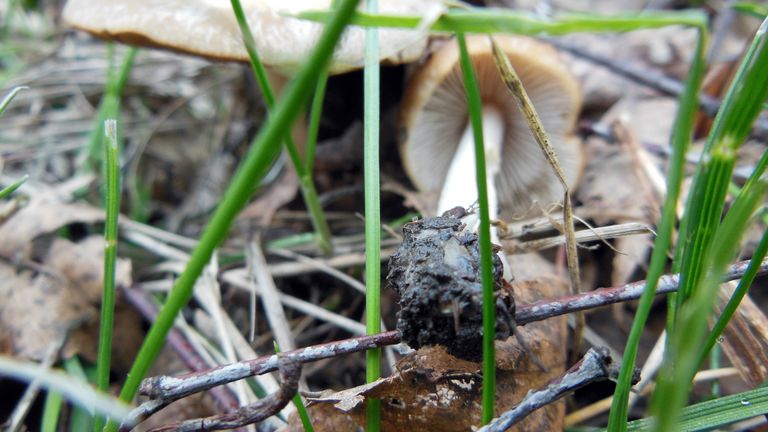
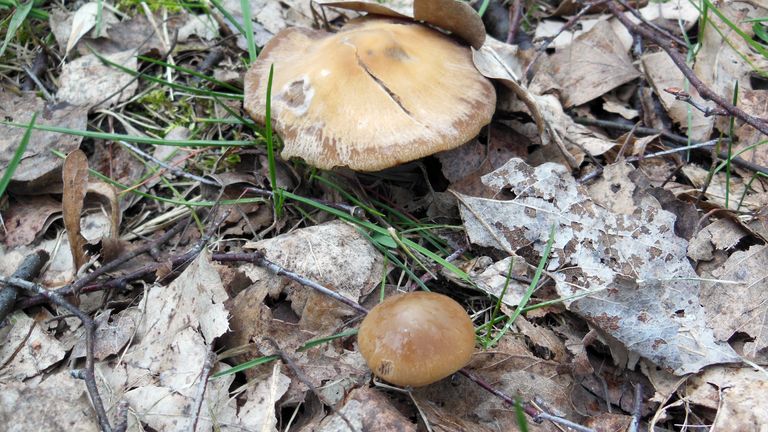
In my country, this fungus is called "Sweet cricket". It is one of the first edible mushrooms, but it is not obtained because it is unpalatable. There is no equivalent in the name in English, so in Latin this mushroom is called Psathyrella candolleana.
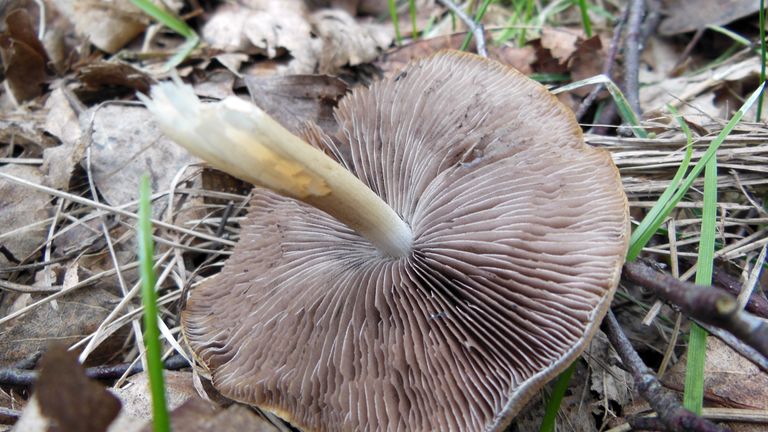
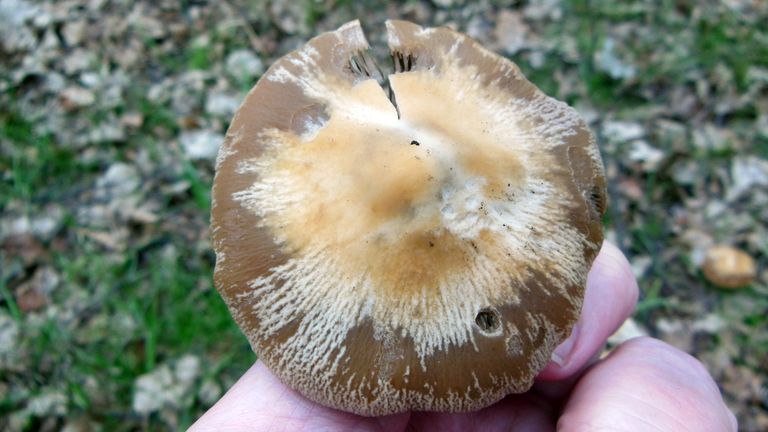
Appears in early March after thaws. This copy was growing along a park alley, surrounded by old birch trees and tall grass.
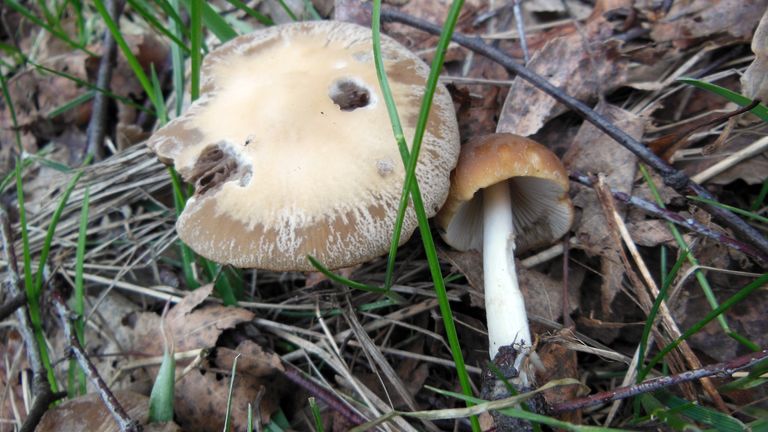
The mushroom cap can reach up to 6-8 cm in diameter. Young mushrooms are bell-shaped, sometimes semicircular, becoming flat and curled with age.
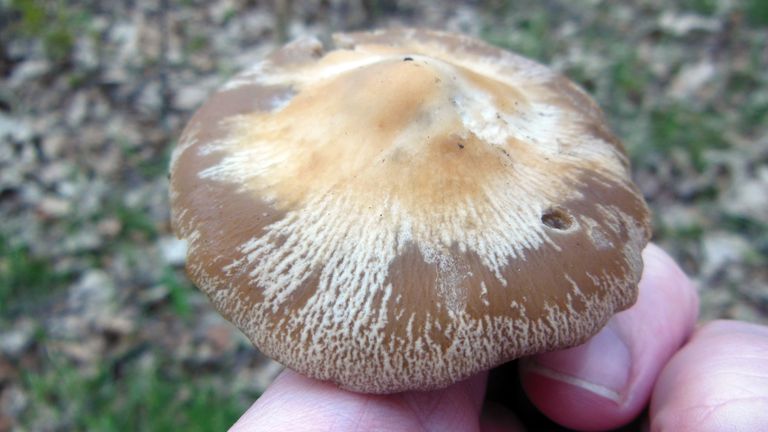
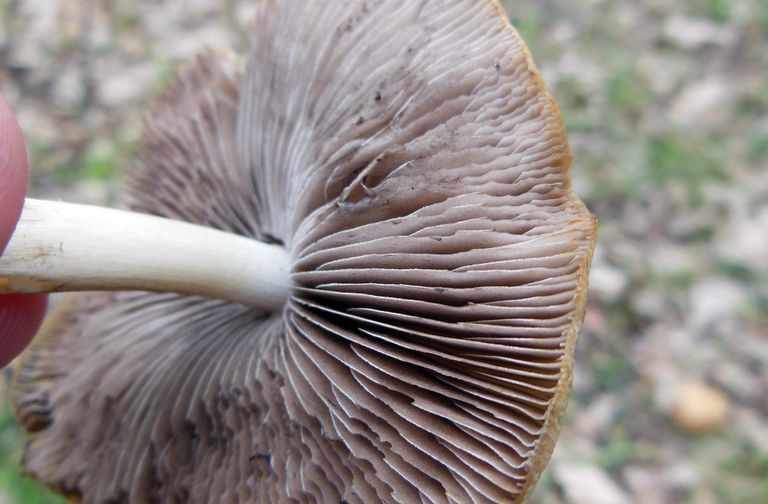
The mushroom is hygrophonic, i.e. it changes its consistency and mainly its color under the influence of moisture and heavy rainfall. After heavy rains, its surface changes color from yellow or brown to light ochre. Most often this happens only on part of the surface of the cap.
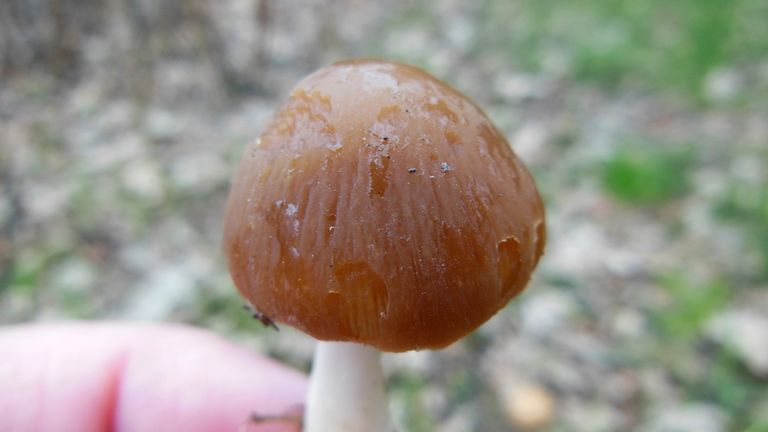
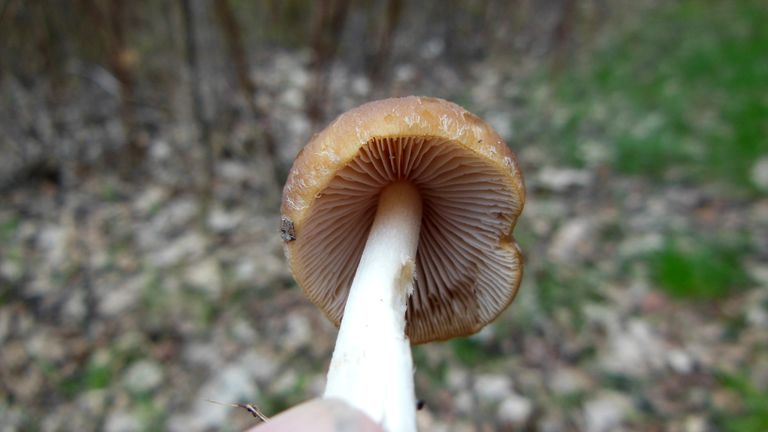
The gills of the fungus are whitish, but turn brown with age. They are dense and attached to the stem.
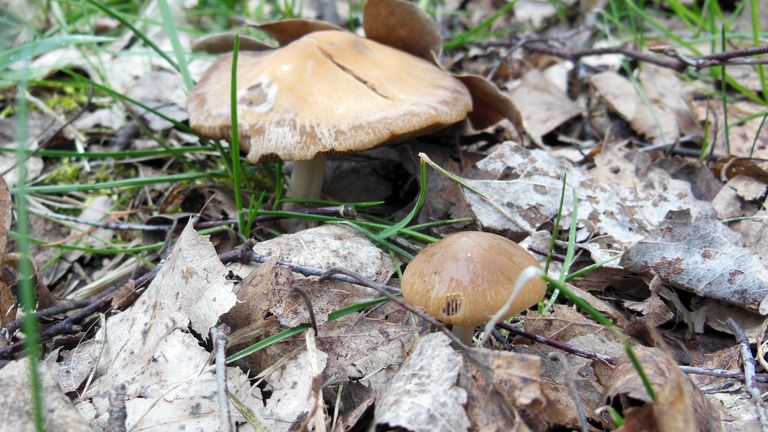
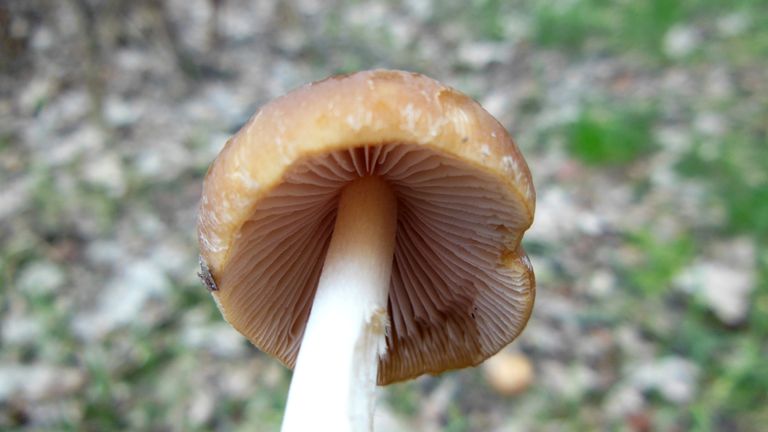
The leg is delicate, fragile, empty inside. It has a cylindrical shape. Color usually white. The flesh does not have distinct taste or smell characteristics. It is thin, brittle.
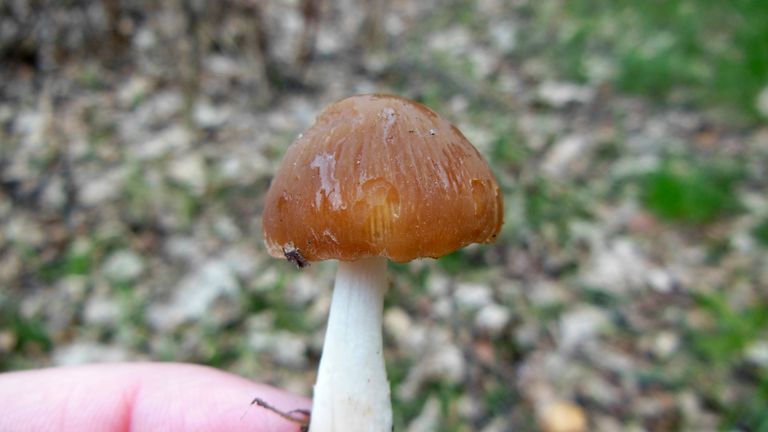
The fungus prefers sites with dead wood remains. It grows in groups from the beginning of spring until late autumn.