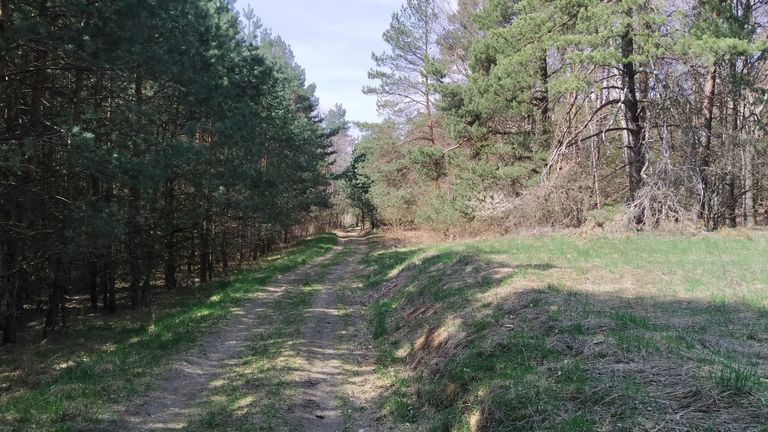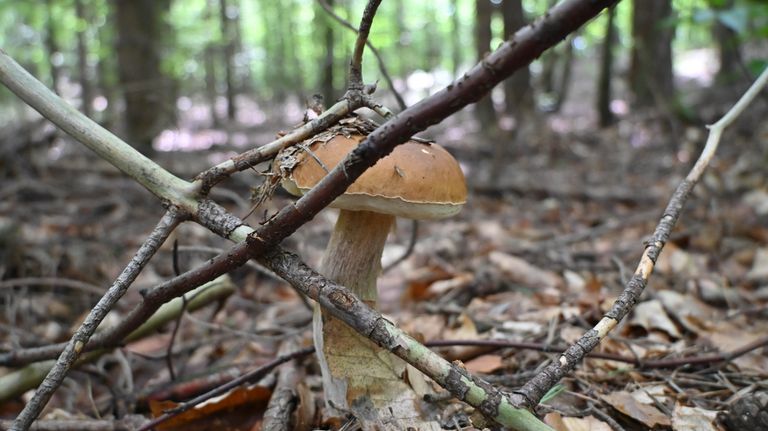
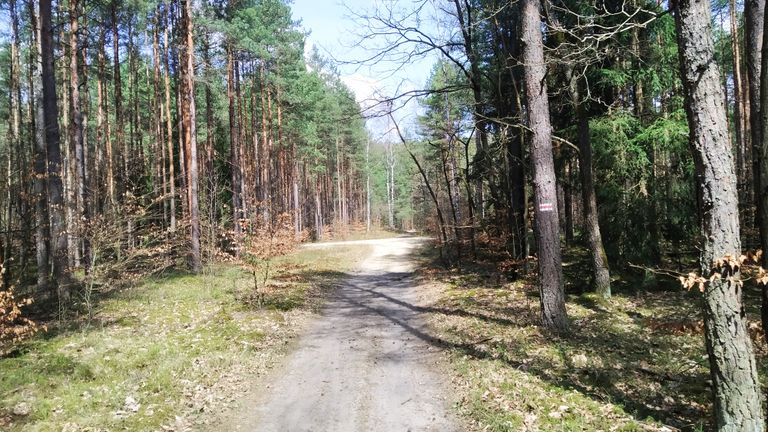
Often, when walking through the forest in search of noble and edible mushroom varieties, we come across eaten or partially gnawed specimens. In many cases, it's clear that this isn't the work of snails or beetles, but of other creatures.
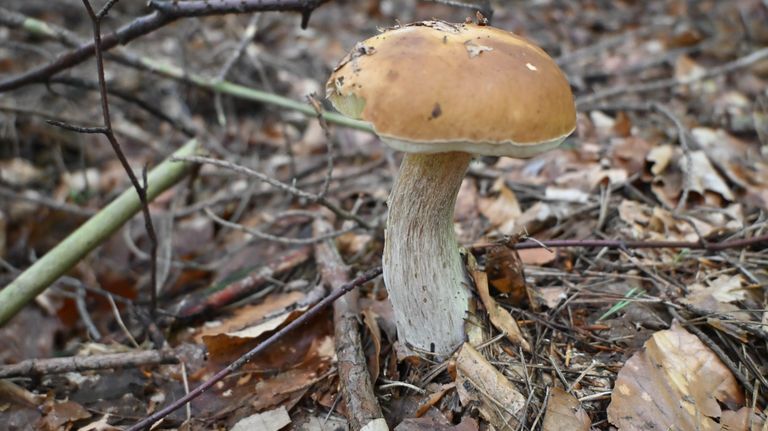
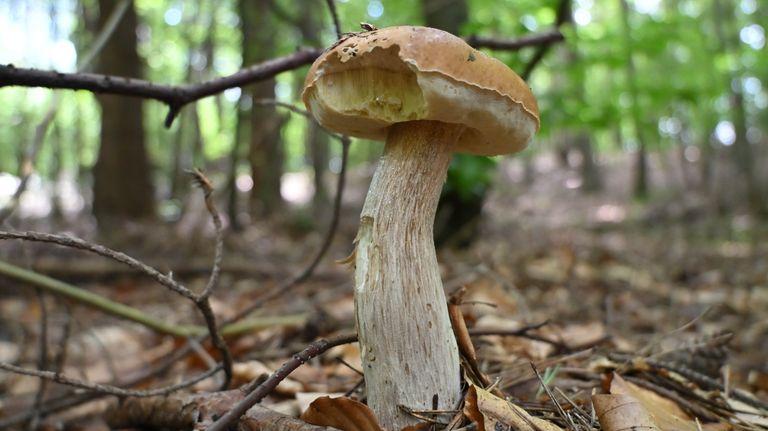
This is evidenced by characteristic marks on the mushroom, most often on its tastiest part: the cap. These marks clearly indicate that the culprit is a rodent – and that's a fact.
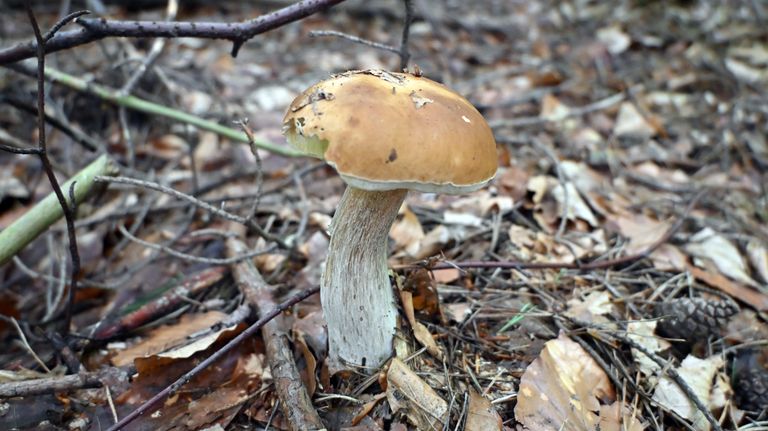
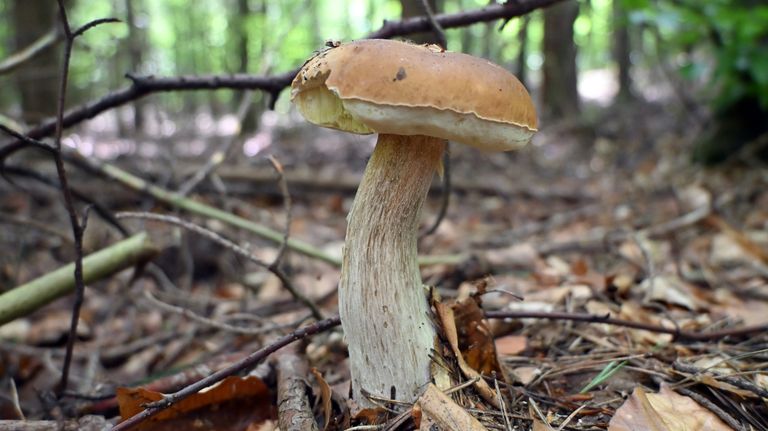
The characteristic bite marks are most often left by squirrels, which love fresh forest mushrooms, not just boletes. Rodents are resistant to the toxins contained in mushrooms and will even eat mushrooms poisonous to humans.
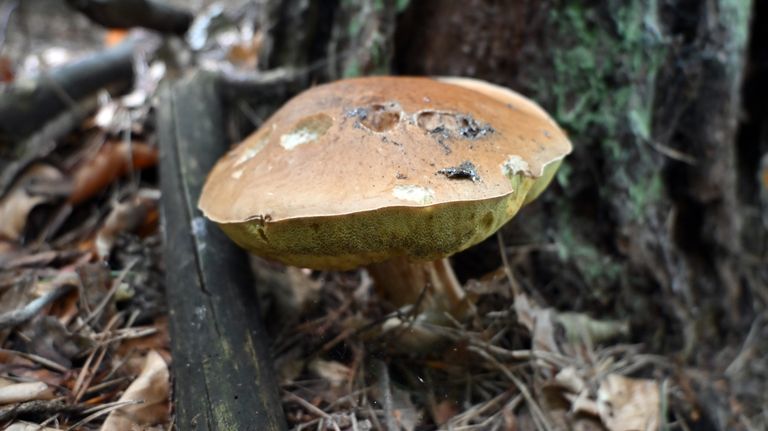
Partially gnawed mushrooms also provide important information for foragers. Teeth marks and cavities on mushrooms indicate that there are very few mushrooms in the forest and that it's not yet the peak season for foraging.
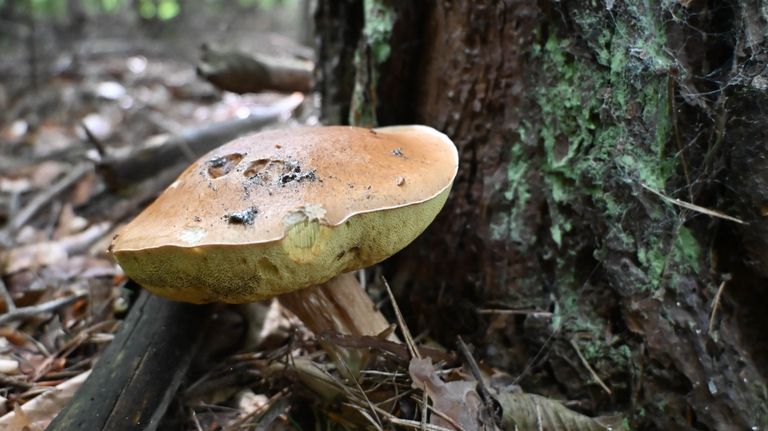
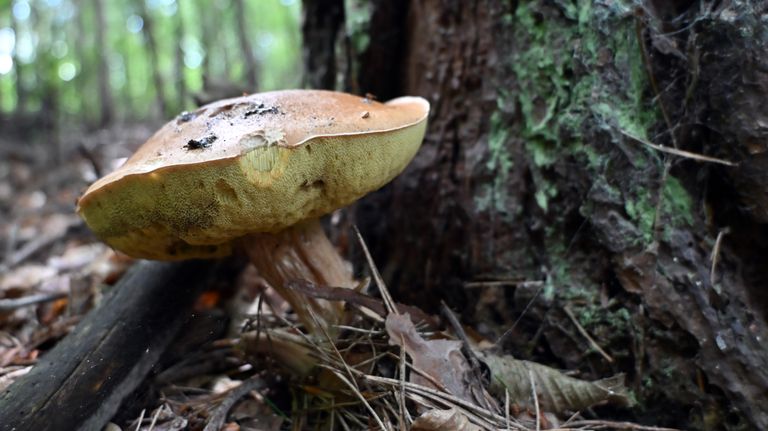
When the season is in full swing, it's very rare to find gnawed or eaten mushrooms. First of all, there are plenty of them and many species, so the animals have plenty to choose from.
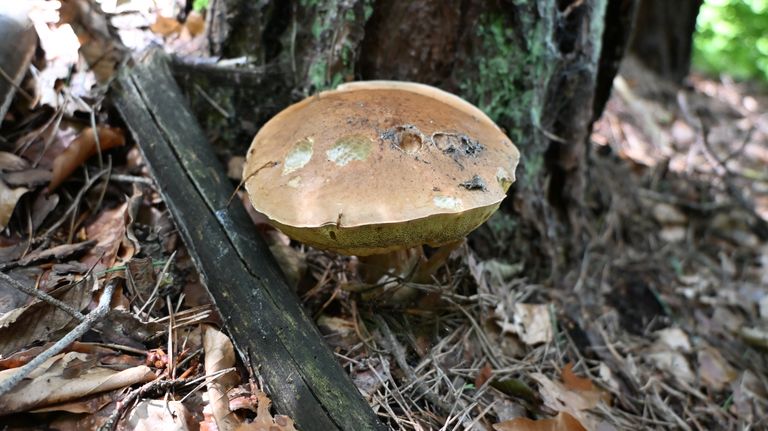
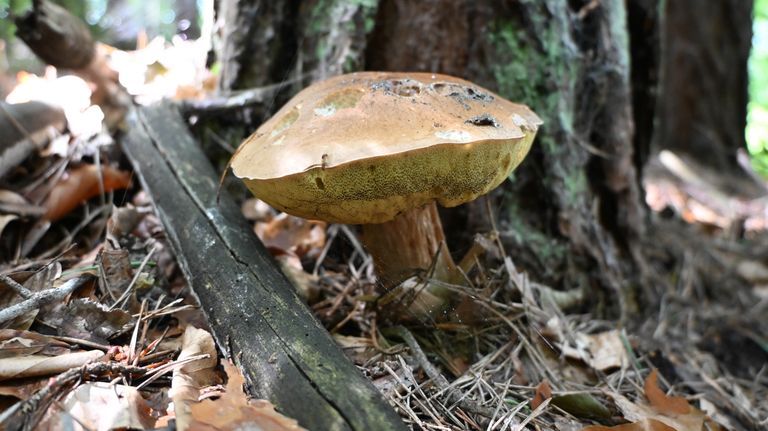
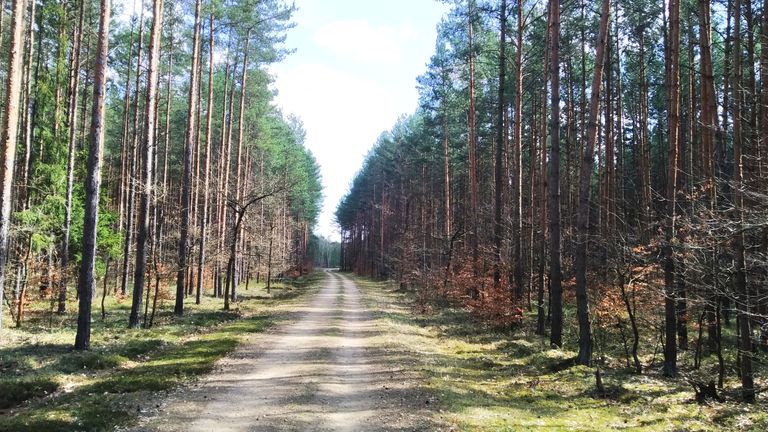
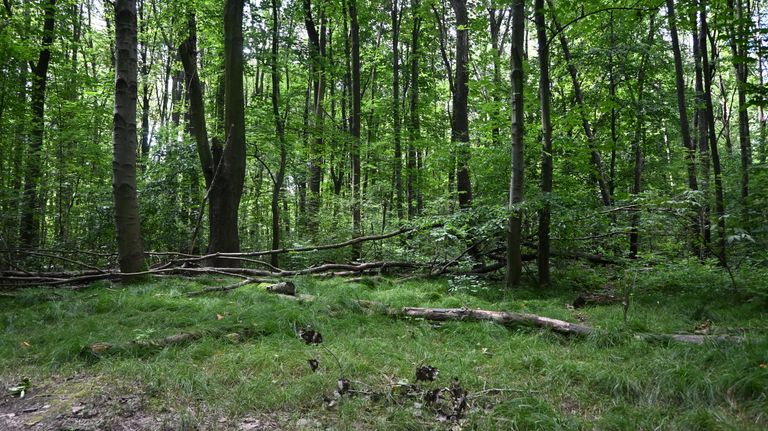
I took these photos last season, at the turn of August and September, when the season isn't yet in full swing.
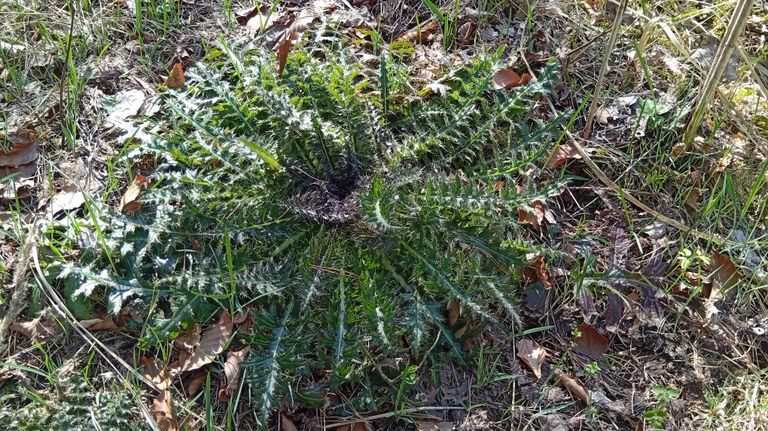
The strange and mysterious plant pictured above is Carlina (from the Latin Carlina). It is a medicinal plant once considered magical, possessing extraordinary properties surpassing those of any other known herb. Indeed, this plant stands out from other medicinal herbs with its incredible range of healing properties.