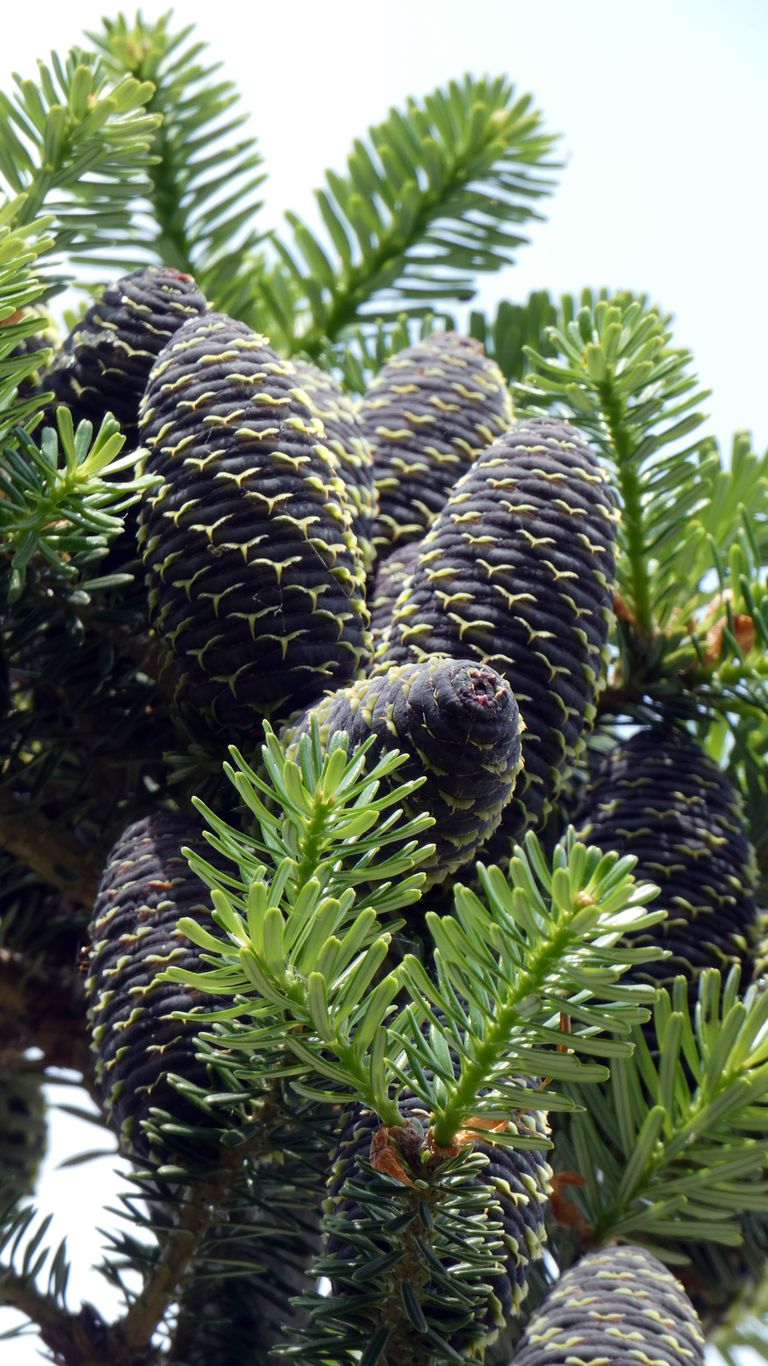
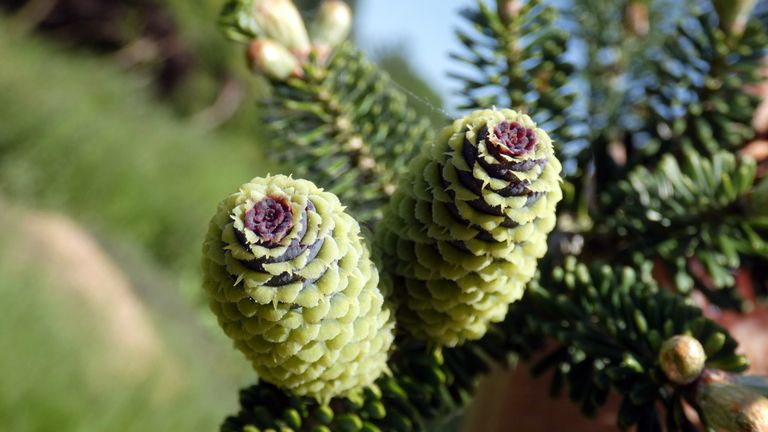
Cones in early spring
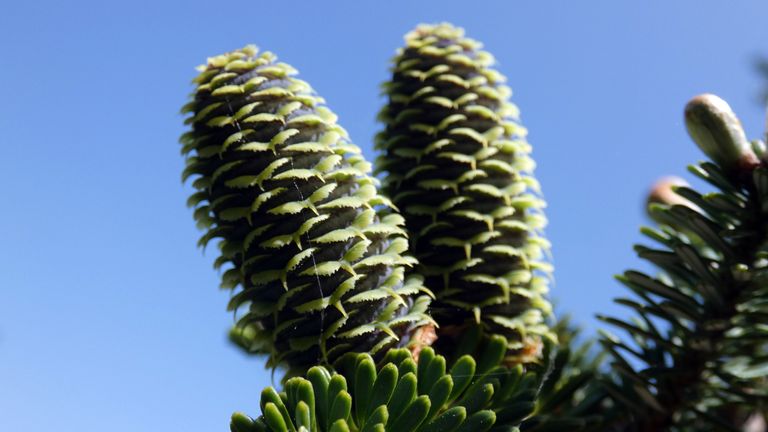
Cones in early summer
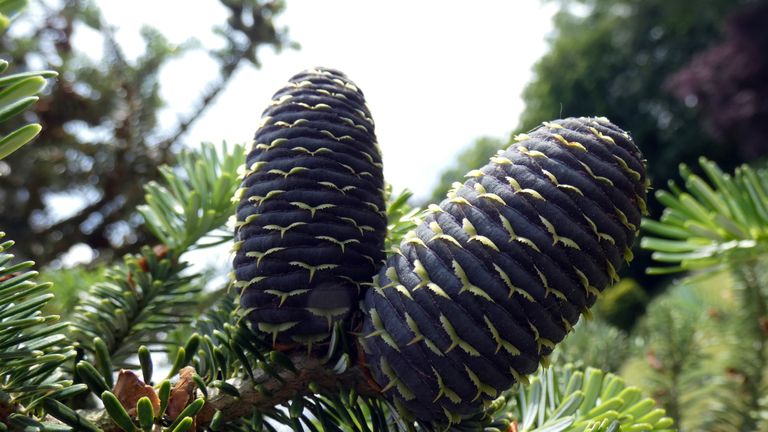
I had the opportunity to see and describe this tree in late autumn and winter. This time I took some photos over the course of a few weeks.
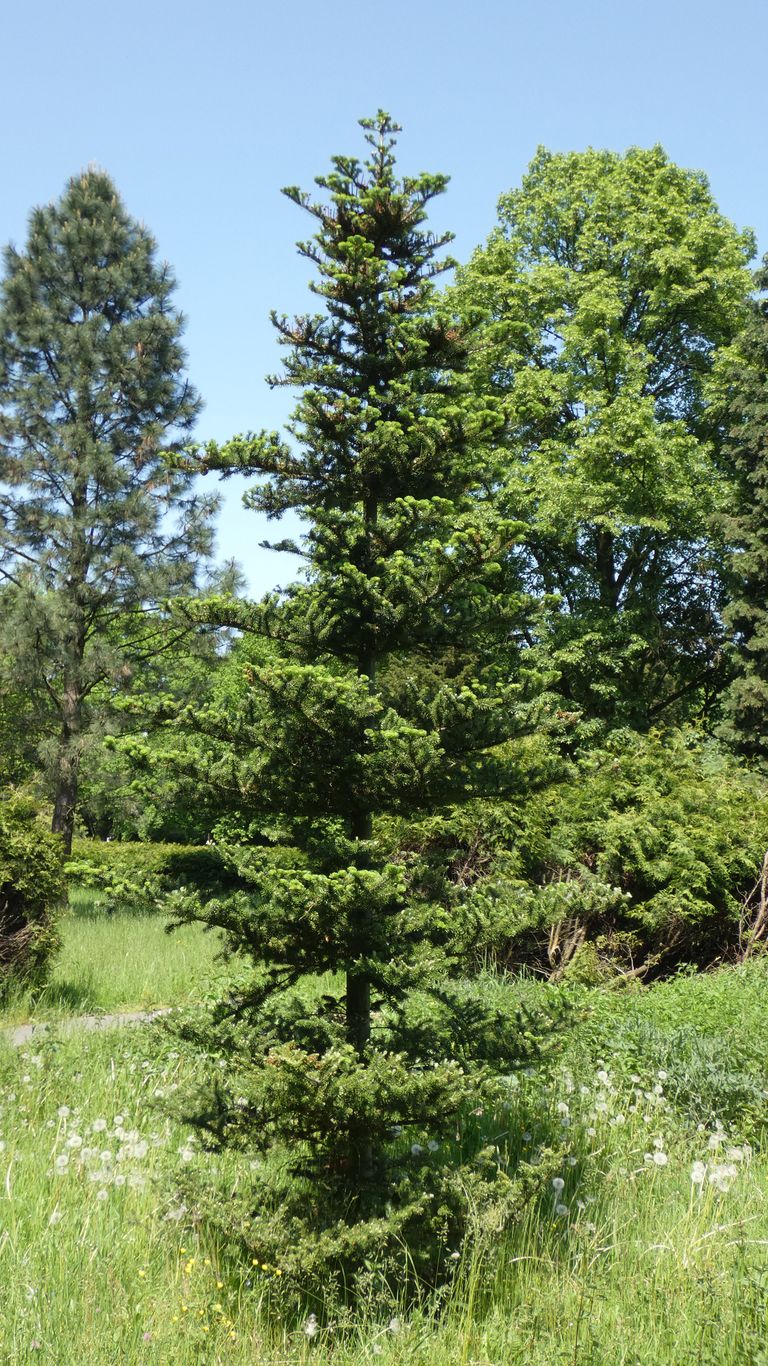
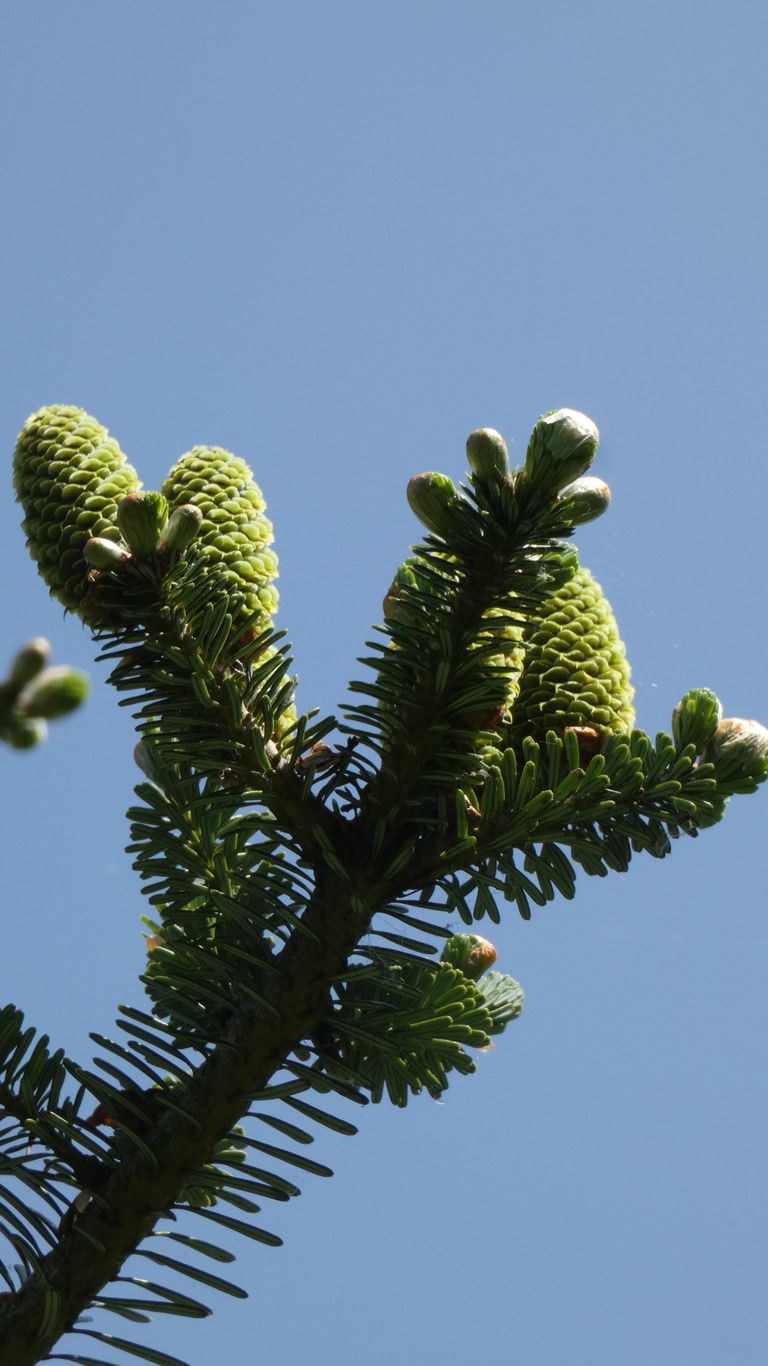
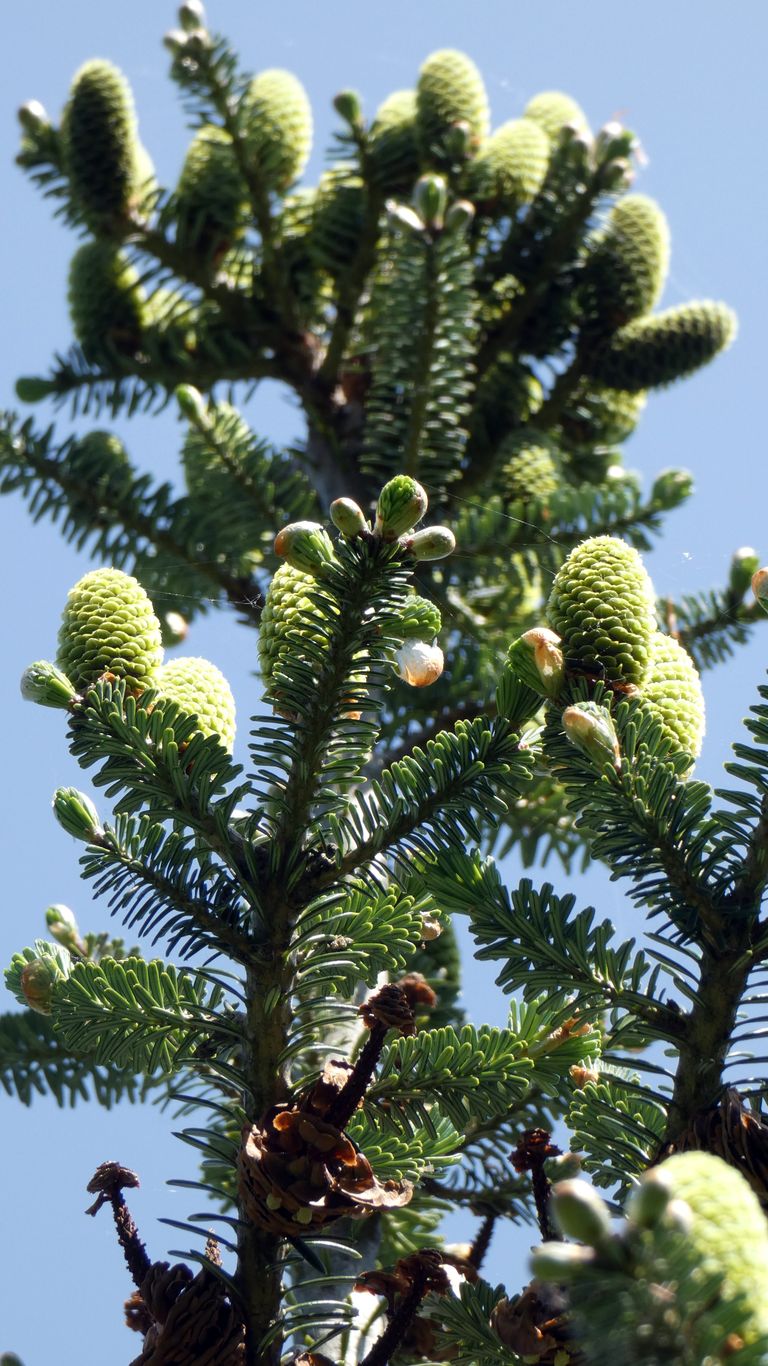
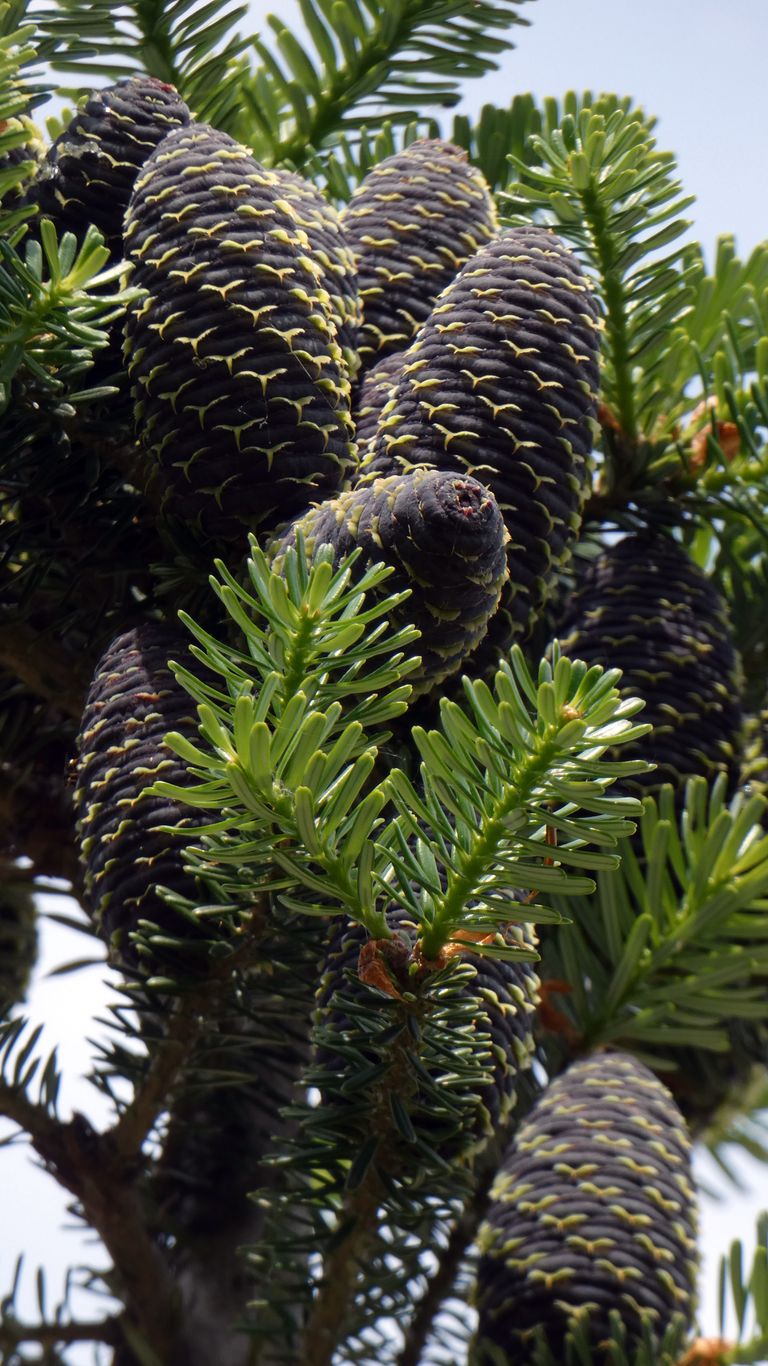
More precisely, I took the first photos at the end of April, while the last ones are from mid-June. You can see big changes in the structure of the cones, its colors, and in the structure of the tree itself.
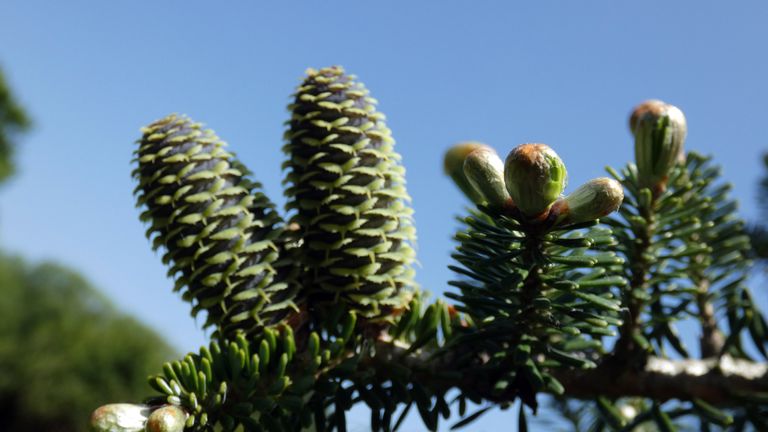
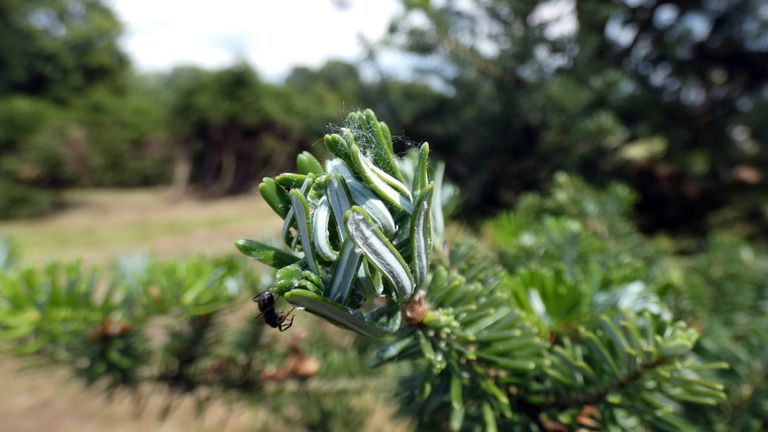
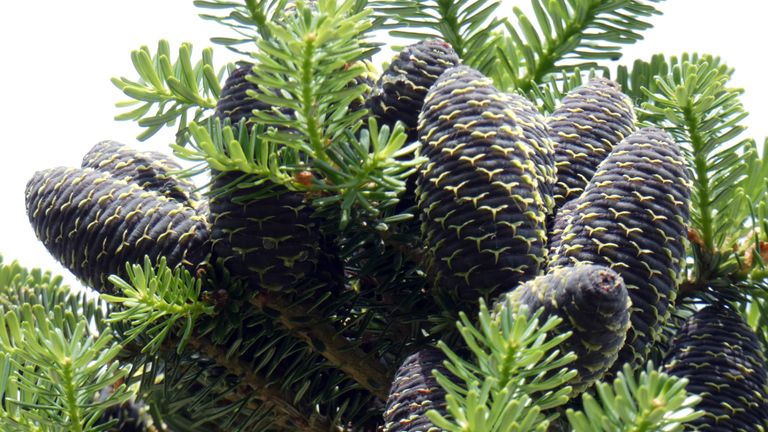
The whole tree has turned green, and the cones change from a beautiful green color to blue, which will turn purple in autumn.
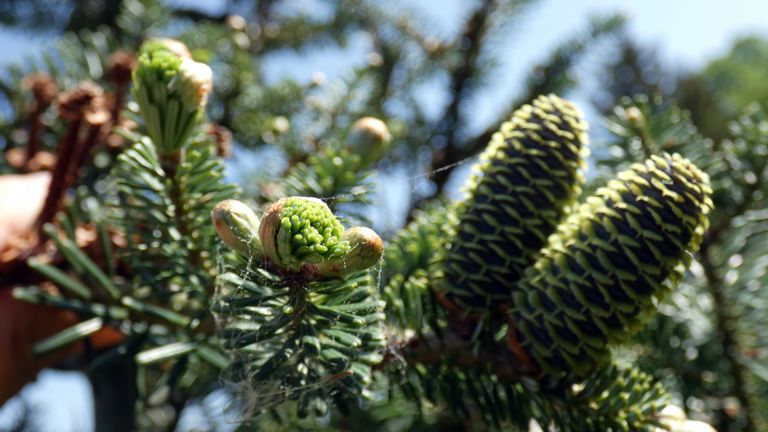
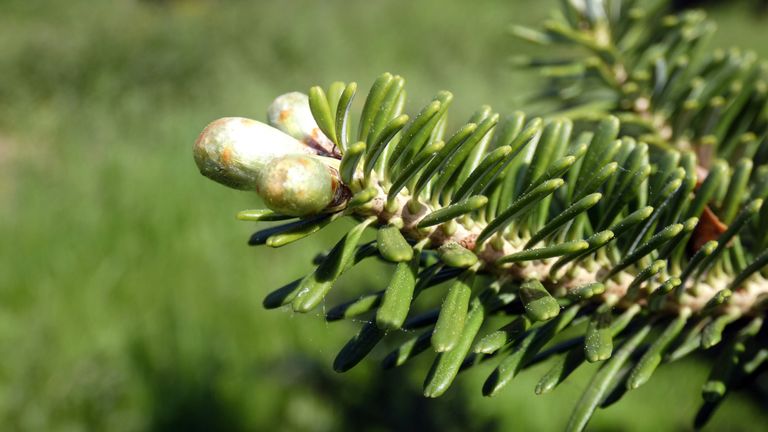
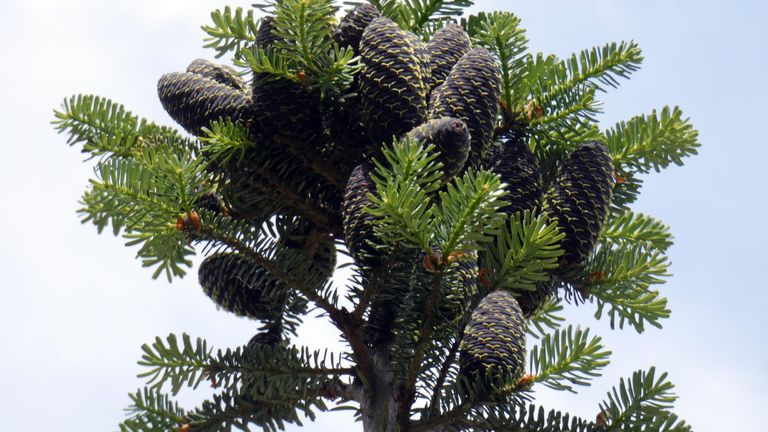
Of course, the phenomenon of this tree, apart from the color of the cones, is the way they grow. Because they don't grow hanging down, they grow up.
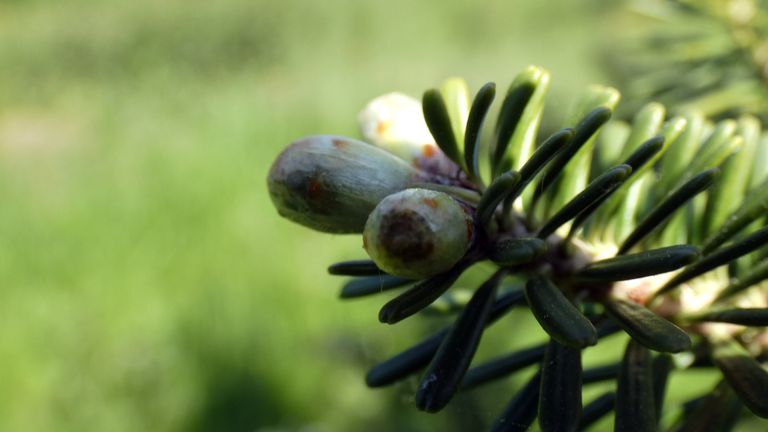
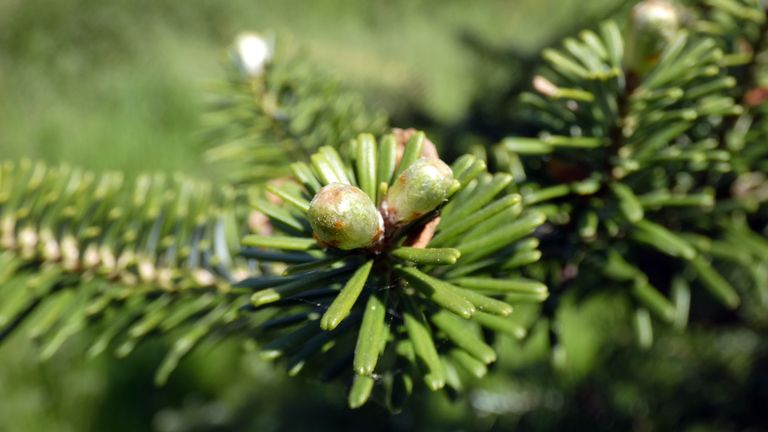
It is a bit like a banana tree, where a bunch of bananas, according to the laws of physics, should hang downwards, but it is not. The banana fruit also grows upwards, and the bunch looks upside down.
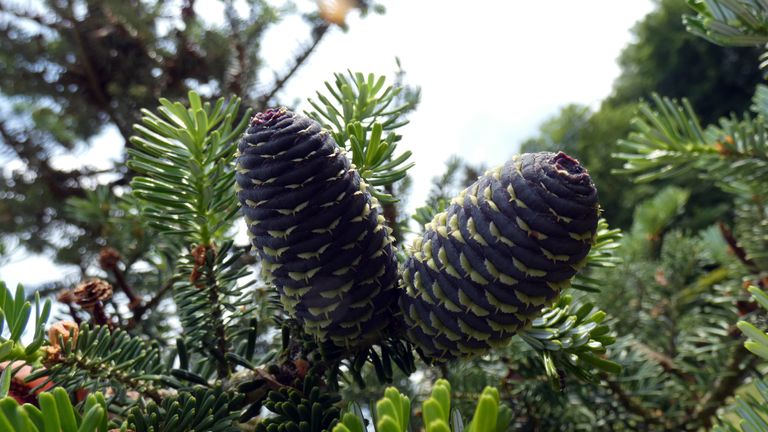
Korean fir itself is a very attractive, exposed and decorative tree. It grows relatively slowly, because its growth is several centimeters per year and after 10 years it grows up to a maximum of 2 meters in height, which can be seen in spring by young shoots. Pine, for example, can grow up to 50 cm per year.
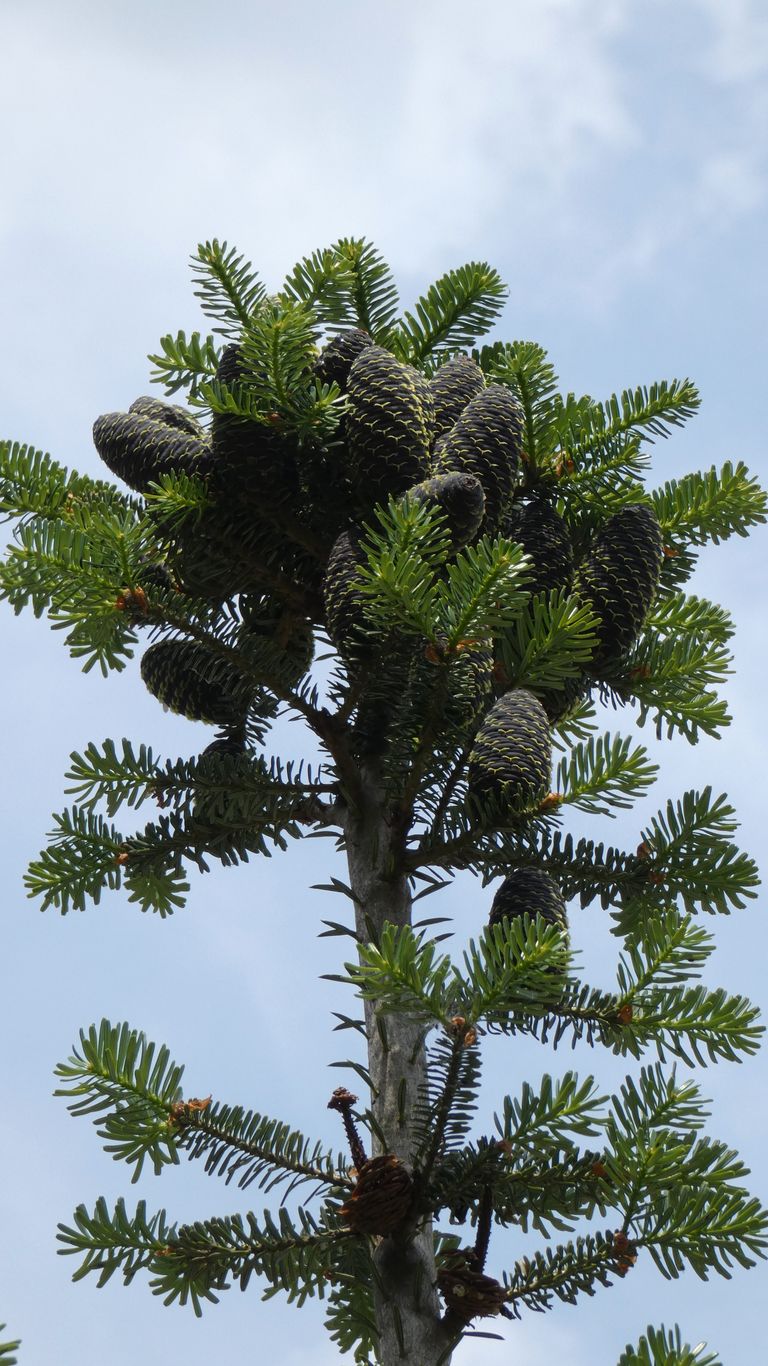
This undoubtedly beautiful and original tree from the mountainous areas of South Korea is also grown in Europe. They can be found in parks, gardens or homesteads.
My photos already show quite a large tree from the park. It is about 4-5 m high. Assuming the growth rates reported in various sources, this tree can be around 25-30 years old, so it can be considered quite old, but it doesn't look like it.
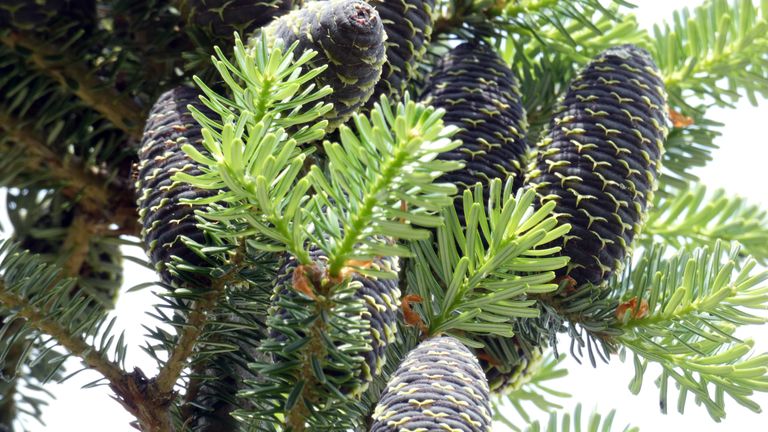
Korean fir is quite capricious, it will not grow anywhere. It needs quite fertile, humus soil and a well-lit position. That is why she found her place in the park, in the rose garden, where plant care is at a fairly high level.