This woodpecker is much larger and more massive than other birds of its species. It has beautiful plumage with a characteristic red cap, which is found only in the male. This woodpecker has a beautiful brindle and a contrasting white rump. The underside of the body is black, hatched with a pink background. The length of the body reaches up to 30 cm.
Ten dzięcioł jest znacznie większy i masywniejszy od innych ptaków tego gatunku. Posiada piękne upierzenie z charakterystyczną czerwoną czapeczką, która występuje jedynie u samca. Dzięcioł ten ma piękny pręgowany grzbiet i kontrastowy biały kuper. Spód ciała jest czarny, kreskowany z różowym tłem. Długość ciała dochodzi nawet do 30 cm.
Unfortunately, there are fewer and fewer places in Poland where the natural environment is favorable for this bird. It can be found mainly in reserves in the eastern part of Poland, for example in the Augustów and Białowieża Primeval Forests and in the Biebrza Valley, as well as in the Lublin region and in the Świętokrzyskie Mountains.
W Polsce niestety jest już coraz mniej miejsc gdzie środowisko naturalne sprzyja temu ptakowi. Można go spotkać głównie w rezerwatach we wschodniej części Polski na przykład w Puszczy Augustowskiej, Białowieskiej i w dolinie Biebrzy, a także w na Lubelszczyźnie i w górach Świętokrzyskich.


The species is becoming more and more difficult to spot, and this is closely related to the stand which must be old, aged with a lot of dead decaying trees. Unfortunately, this has become an increasingly difficult condition to meet in recent years.
Gatunek coraz trudniejszy do wypatrzenia, a ma to ścisły związek z drzewostanem który musi być stary, wiekowy z dużą ilością martwych próchniejących drzew. To niestety w ostatnich latach jest coraz trudniejszy warunek do spełnienia.

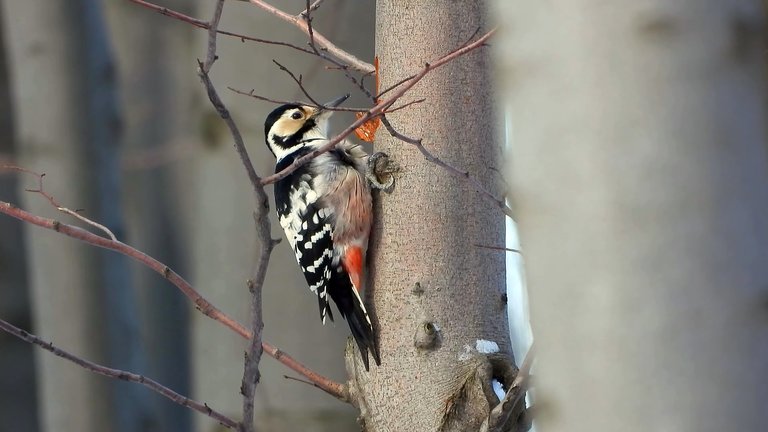


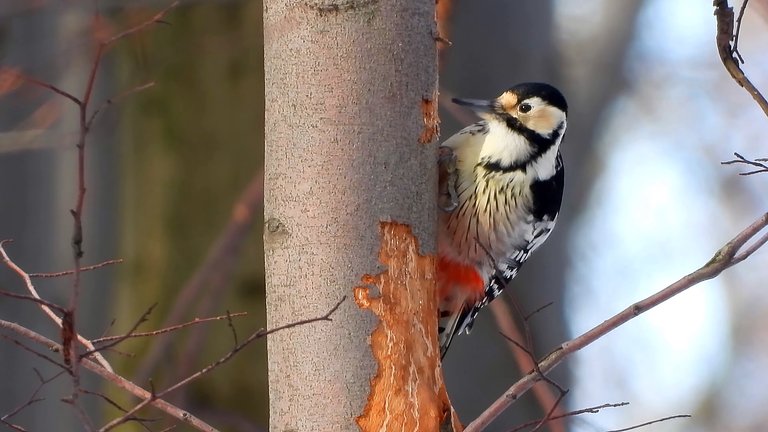
According to statistical data, there are about 500 breeding pairs in Poland. It is a species under strict protection.
Według danych statystycznych w Polsce występuje około 500 par lęgowych. Jest gatunkiem objętym ścisłą ochroną.
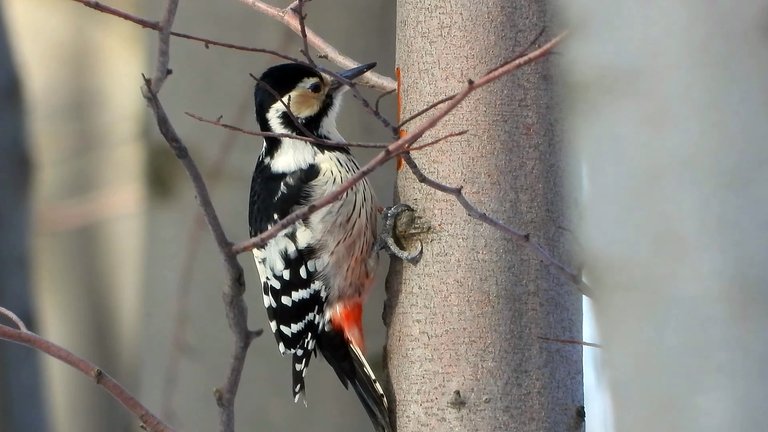


When it comes to food, there is no surprise here. Like most birds of this species, the diet consists mainly of insect larvae, it extracts caterpillars and small insects from a swollen tree.
Jeśli chodzi o pokarm, to nie ma tu żadnej niespodzianki. Jak większość ptaków tego gatunku na dietę składają się głównie larwy owadów wydobywaje z pruchniejącego drzewa, gąsięnice oraz drobne owady.


Enjoy 😉