![[Tech-Talk] WTF is a foveon sensor?](https://www.publish0x.com/img/130459.webp?action=resize&ar=1&enc=webp&inv=0&ori=1&st=1&up=1&w=1140&signature=7634b96a9849e219a3a3c9f4ce8e8236d6c04ba62430052343a574c64c89e0f6)
Ever heard about a foveon sensor? NO? Well here you are.
So basically, a foveon is not only one sensor, but three in one. There is a layer for every RGB , so one layer for red, one for green and one for blue color. So on a foveon sensor every pixel as three times the space of a normal bayer sensor. This results in amazing colors.

This images shows a foveon sensor (left) and a normal bayer sensor (right)
Another nice thing about capturing each color on a seperat layer is, that you can edit those colors better. So that's in theory. On the other hand this means, you have to use a dedicated software, since lightroom, capture One or other programs are not used to three layers of a sensor and the proprietary filetzpe x3f. So, you have to use the Sigma photo pro Software, which is one of the baddest and slowest pieces of software, I've used for a long while.
Here is how it looks, and yep, it's for Windows and Mac only, no Linux version :(
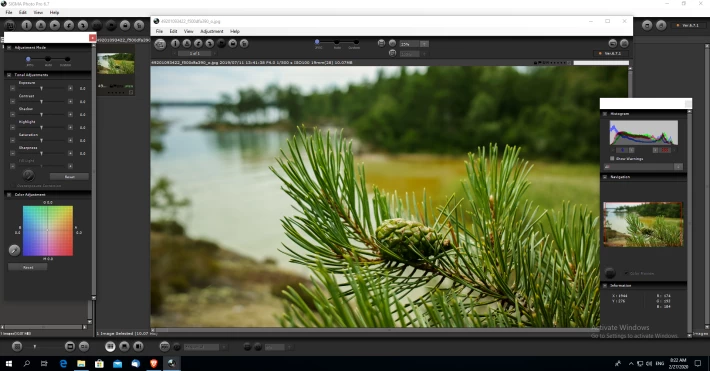
Sigma Photo Pro Version 6.7
So, you have a ton of choices of editing, link in other raw converters as well, but every change you do will trigger a green status bar, which shows you, how far you change is processed. And well, on my i5 4520 and 16 GB of RAM this is not that fast... But anyway, you can export the image in tiff or DNG, and then go on editing in your known and beloved software, for me this is lightroom.
So, let's no longer talk about that ugly piece of software, let's talk about the images itself. Those color are amazing. To prove that, here are some of my pictures, taken with my foveon sensor camera, which is a Sigma DP1 quattro (28mm). By the way, 28mm is a very nice focal lenght!!

A rental car, I've got in Norway. I really like the blue tones in this image.
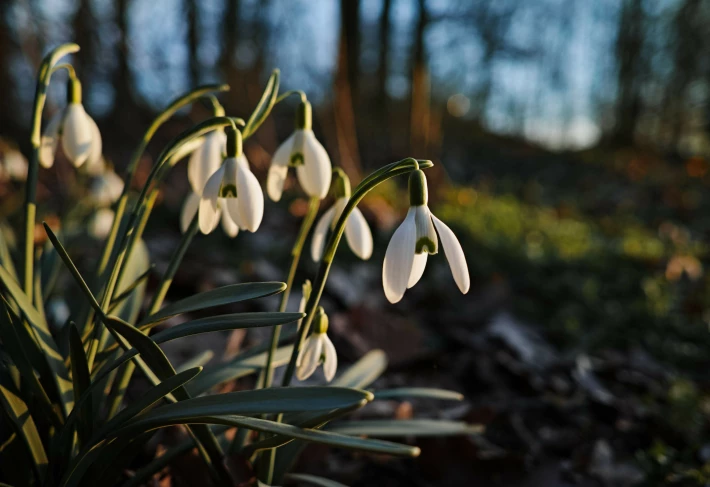
In this image you can have a look at the nice bokeh, and the warm colors the camera captures in natural light.

Well, one of my first images with this camera. The rendering of those warm, brown tones is kinda beautiful.
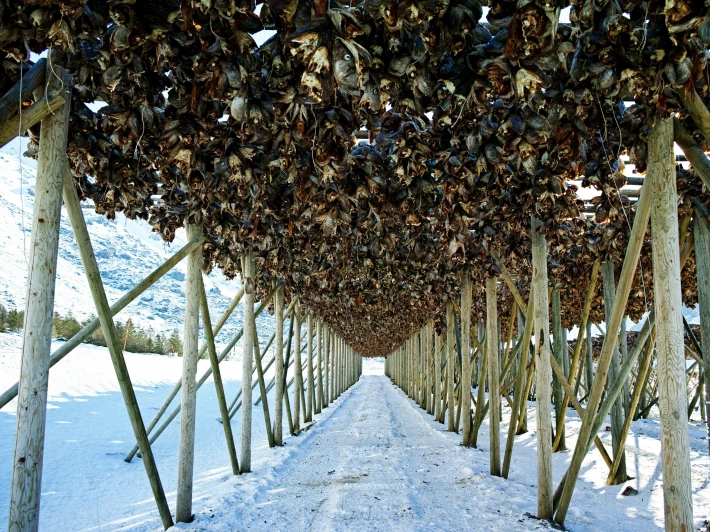
This is Torrfisk, a norwegian export product. Basically dried fish. If you've ever visited one of those drying-places, I bet you can smell this image ;)

Even in low light this camera is not that bad. But of course, three sensor layers mean that you also got the noise of three layers...

If you are using this camera inside, the color will render a bit too warm. if there is something red in the room, you have to do a lot of correction afterwards. Otherwise, to the whitebalance manually...
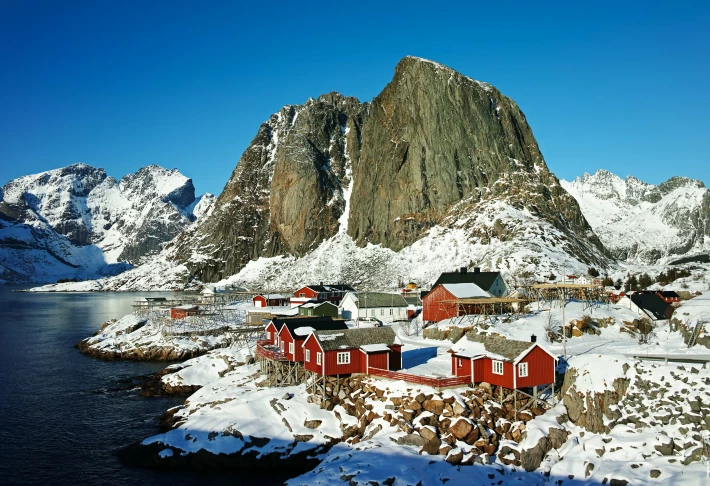
So, one of the most famous images of Norway, if you ask me. This is Hamnoy. Don't you like those colors?

To be honest, this image is edited quite a bit, using the Leica-presets from Thorsten Overgaard in Lightroom, after exporting the raw file from the sigma software
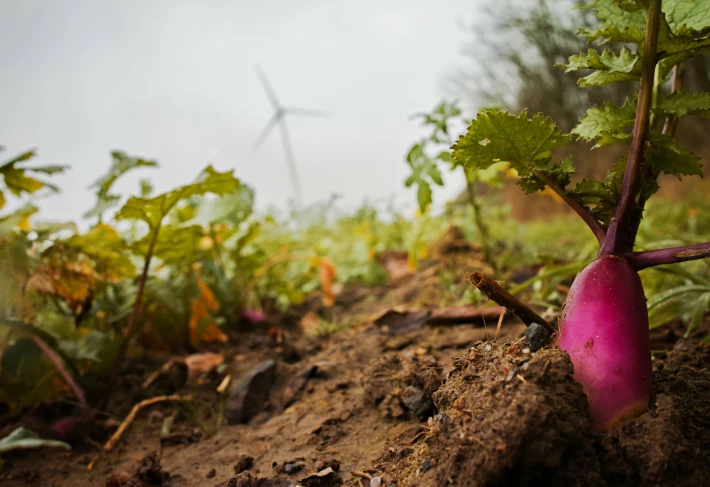
Another testimage, which shows the really nice rendering of colors and the sharpness of lens and sensor
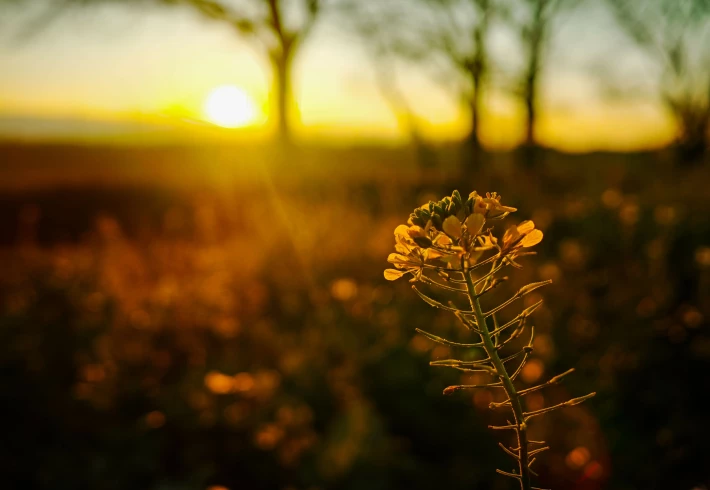
Images taken directly against the sun. Soft flair rendering and nice colors on this flower!
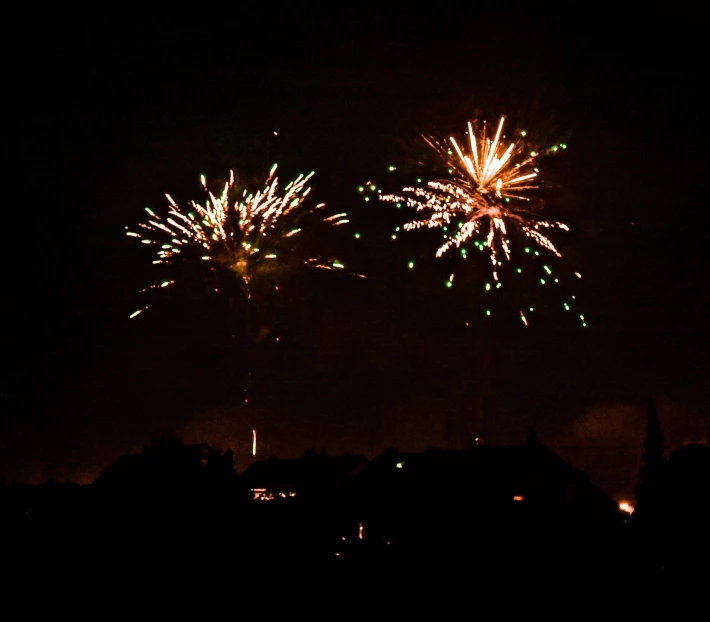
So one last shot, this a a (heavyly cropped) image of a firework.
Sadly, no one of my friends wants to be published here on the blog, so I cannot provide any portraits, but you can believe me, they come out pretty nice!
So, I think, those images are speaking for it self. The camera is amazing, if you are willing be totally slowed down (since not ony the software for your computer so quite slow, also the camera is...).
Taking monochrome images
Speaking about those colors: The camera is also excellent for taking black and white images. Best way to do this is, to capture a image in color (or set the camera to raw&jpeg, and generate the jpeg in black and white, but later use the raw image, which is in color), and edit it in the Sigma software. There you can than choose the sensor layer you want to use. Well something like a build in color filter :) Nice! You basically get a full monochrome sensor with this camera. Well, some people are paying a lot to get a Leica monochrome, which offers this for a much higher price. Okay, there might be other reasons for a Leica, but a foveon sensor can basically do the same.
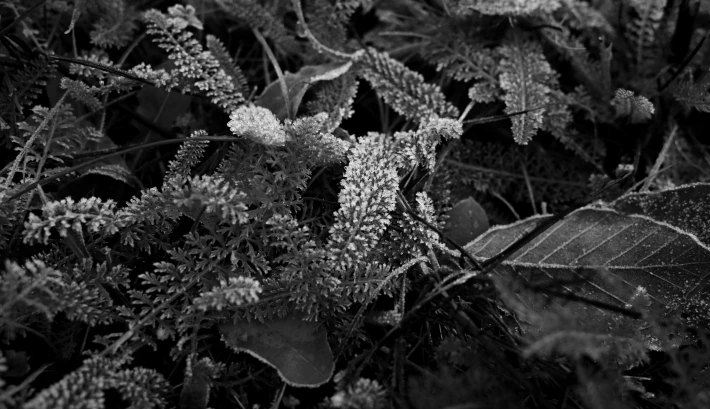
Monochrome image, taken with the Sigma DP1 quattro with foveon sensor

The sharpness and bokeh is quite impressive for a APS-C sized sensor.
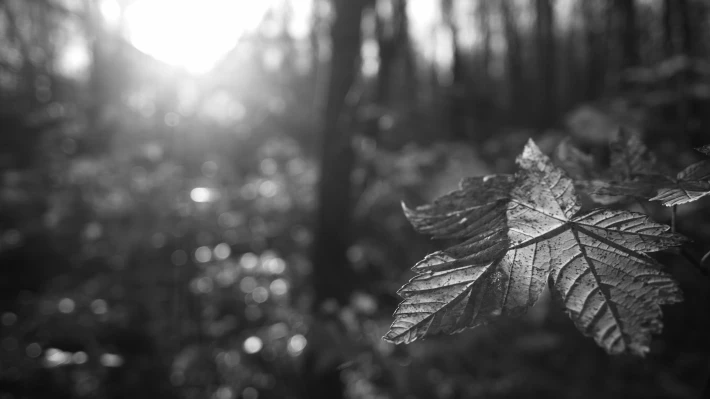
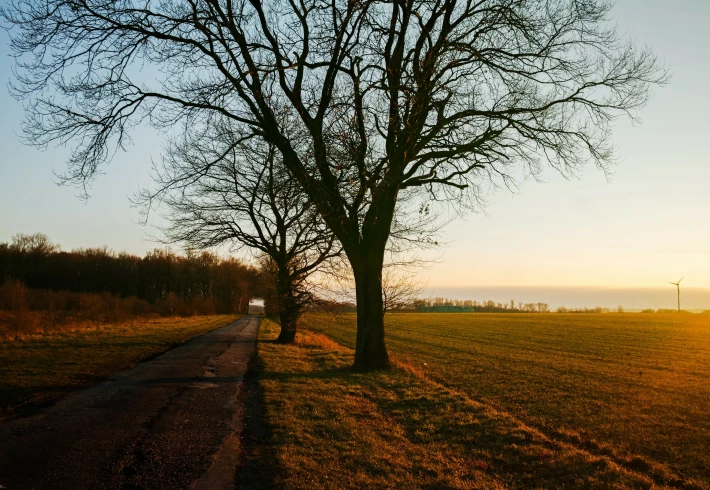
This camera works fine with backlight..
So, who is a foveon-sensor-camera for?
A camera with a foveon sensor is perfect for people, who want to take excellent images, and are willing to think new about photography. You have to try new things with this sensor, since it behaves a bit different to a normal bayer sensor. You have to be a bit careful with red-tones, greens are rendered pretty nice and a sunflair can look quite unexpected. But, if you want to take time to take an image and compose it, this camera will give you amazing results.
So just a word about cameras, using this kind of sensor.
At this moment, there seems to be only one manufacturer for this cameras - Sigma. They have some older cameras like the Sigma dp (1,2 or 3, this is the difference in focal lenght, 14, 28 and 50mm ), the sigma SD (which has changeble lenses) and newer cameras, which are those with "quattro" in their name.
Sigma announced that they want to release a fullframe camera with a foveon sensor, and it should have been released in 2020, but due to some problems, sigma postponed this release. Hopefully, they will release it one day!
If you have any questions about this article, just let me know in the comments!
All images are taken by me, and all rights are reserved by me!






