
It is a fact that many people are skeptical about cryptocurrency-related innovations in the present day.
The rise of Bitcoin and others have been criticized by governments and regulators around the world, with some even considering them to be 'Ponzi schemes' or ‘scams'.
Despite this, it's believed that cryptocurrencies will be a bigger part of our future than ever before, despite the current bear market. Here we take an in-depth look at what makes cryptocurrencies so special and what role they'll play in our lives.
Pros and Cons of Cryptocurrencies
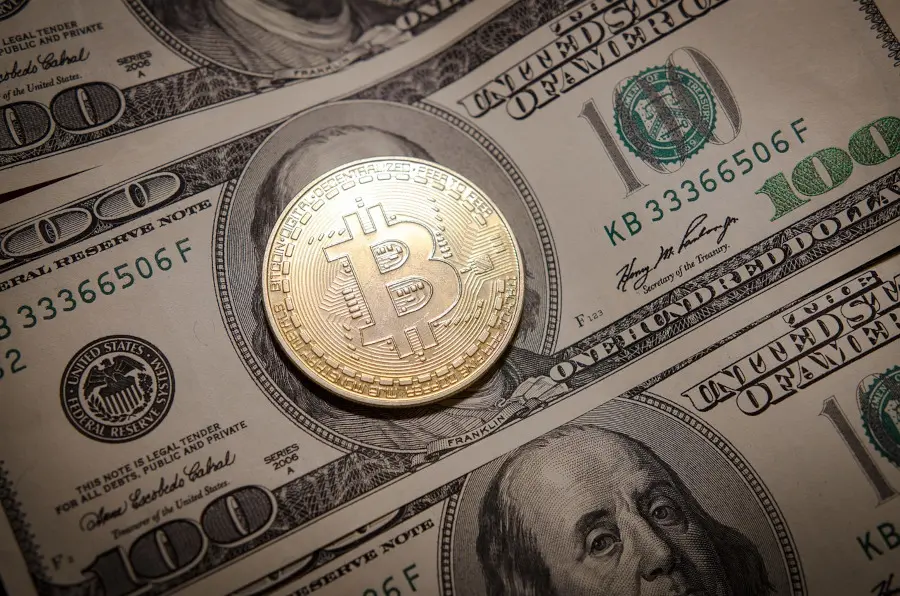
Cryptocurrency as a term can be confusing, but there is one thing that everyone agrees on - cryptocurrency is different from fiat money. It uses cryptography to secure transactions while being decentralized, meaning no single party controls it. This means you don't have to trust a third party when using crypto.
The blockchain technology behind it allows for transparency and security, which makes it appealing to both investors and consumers. For example, a consumer will know exactly where their money is going and how much they're spending without having to rely on any central authority like banks or credit card companies.
Consumers also benefit from lower transaction costs, thanks to the reduced fees associated with cryptocurrency payments, while businesses gain access to new markets through increased accessibility to international customers. On top of that, the cost of sending remittances to developing countries has dropped by over 90% since 2010.
However, not everyone is convinced that cryptocurrencies are the best solution. Many believe that it only works well at small scales, especially when compared to the existing financial system, which is still based on cash and paper.
One problem is that cryptocurrency valuations are volatile. This means they can fluctuate wildly between highs and lows, making them hard to predict and impossible to commit too for the casual users who often live from paycheck to paycheck. In addition, cryptocurrencies aren't backed up by anything physical, which is considered too “risky” for the most conservative investors.
While these drawbacks may seem obvious, some argue that the benefits outweigh them. According to some economists, cryptocurrencies are more efficient than traditional methods because they reduce costs and increase liquidity. Many believe that Bitcoin will eventually replace fiat currency and provide a more stable store of value.
Assuming you are interested to study further about crypto pros and cons, Despace University has tons of articles where you can learn DeFi and NFTs in the kind of language you will find easy to understand. And if you are ready to dive further in this emerging space, I suggest you to start with Ethereum, that's where major DeFi activities happen.
How the Future Will Adopt Cryptocurrencies
There are several ways that cryptocurrencies will evolve in the coming months and years. Some experts believe that cryptocurrency adoption is inevitable, while others think it might never happen. This article focuses on the latter case.
First, you need to consider whether cryptocurrencies are going to be adopted at all. One thing most experts agree on is that governments and central banks will continue to ban and regulate cryptocurrencies, which will make them less accessible to the masses. However, some believe that governments are wrong to oppose cryptocurrencies.
According to MGT Capital Investments, "Governments should embrace cryptocurrencies, rather than trying to suppress them." The executive of MGT Capitals says that the government shouldn't fear a "digital gold" that won't require regulation, and instead embrace the innovation that cryptocurrencies represent.
If governments do decide to accept cryptocurrencies, then they must ensure they can track every transaction made with them. If they don't do this, they'll lose out on valuable data that could help improve public services.
Second, you need to consider how cryptocurrencies will be accepted by consumers. A lot of people are concerned about getting scammed, losing their investments or ending up in debt. They ask themselves if cryptocurrency really offers a better alternative to existing payment systems.
There isn't a simple answer to this question. However, one way to make sure you get the best experience from cryptocurrency would be to buy from reputable exchanges. It also helps to educate yourself on scams and how to avoid them. If you want to learn more, check out this list of common cryptocurrency scams.
Third, you need to consider how cryptocurrencies will be regulated. As mentioned above, governments are opposed to cryptocurrency-based innovations, but there are certain areas where they need to adapt. Governments need to ensure that cryptocurrencies are safe for users, while preventing fraud and criminal activity. This is especially true in some non-western countries, which might be known for strict regulations against cryptocurrencies.
Finally, you need to consider how cryptocurrencies will change the way we use the internet. It seems likely that virtual currencies will soon become mainstream, replacing physical ones and helping people save money. But how will this affect the internet? Well, it could mean faster internet speeds, improved privacy features and more affordable broadband. And more importantly, decentralized solutions to everything, where users will feel more empowered.
Cryptocurrencies Will Become Very Important
The future of cryptocurrency appears bright. According to market analysis firm Autonomous Research, the value of cryptocurrencies could reach $7 trillion by 2025. This figure is expected to grow exponentially in the next decade and beyond.
If cryptocurrencies are to become a mainstream form of finance, then it's clear that they need to attract the attention of both businesses and consumers. The same goes for governments, who need to find a balance between controlling cryptocurrencies and allowing them to flourish.
Ultimately, we'll see how successful cryptocurrencies are, but for now, it looks as though they have a promising future ahead of them.





