
There are a number of reasons why individuals may be hesitant when faced with a decision to vaccinate themselves or their children. I shared some of my research in Part 1 of my series of posts.
The common theme being promoted is that vaccines are not safe. Here is my deep dive (Part 2) into some of their concerns:
Concern #3 - Vaccines aren't regulated like drugs
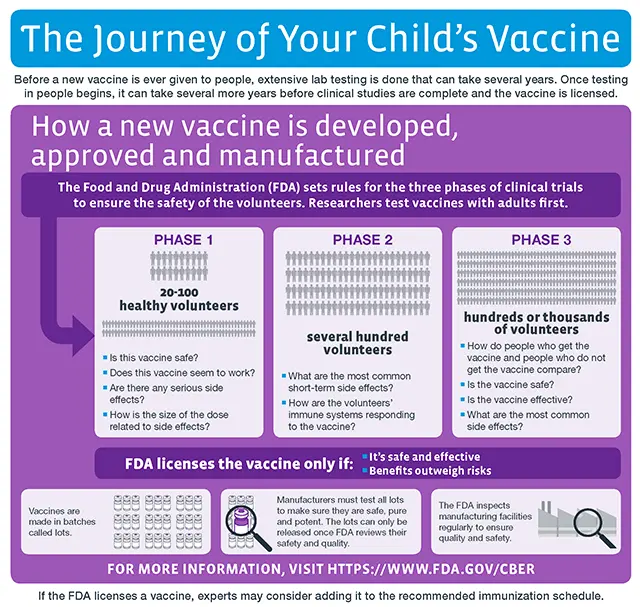
Source: National Center for Immunization and Respiratory Diseases
Another argument made by some vaccine hesitancy advocates is that vaccines are not subject to the same kind of safety scrutiny and safety testing that other drugs are subject to. Robert F. Kennedy Jr. has even been quoted saying “We need to, prior to licensing vaccines, do gold standard safety testing, like every other drug approval requires. We need to do double-blind placebo testing,”.
From my research, this argument is also disingenious, like many of the other concerns. In the United States, both vaccines and prescription drugs are regulated by the FDA. However, that work occurs within two different centers of the FDA:
- For over-the-counter and prescription drugs - Center for Drug Evaluation and Research (CDER)
- For vaccines - Center for Biologics Evaluation and Research (CBER)
So while technically it's true that vaccines are not regulated like drugs because they fall under the oversight of the CBER, it's not true that vaccines approvals are not well regulated. If anything, the argument could be made that vaccines are more strictly regulated than drugs and other products.
The important questions to ask someone who is vaccine hesitant:
- Did you know that vaccines and drugs go through the same types of clinical trials?
- Did you know that unlike drugs, vaccines also undergo monitoring for side effects through VAERS and the Vaccine Safety Datalink?
Concern #4 - Vaccines contain aluminum

Image by SplitShire from Pixabay
Similar to Concern #1, some vaccine hesitancy advocates warn that vaccines contain aluminum.
I was surprised to learn from my research that aluminum is used in vaccines as an adjuvant, which is a component that boosts the immune response to the vaccine. It allows for lesser quantities of the vaccine and fewer doses. Vaccines containing adjuvants are tested extensively in clinical trials before being licensed. The quantities of aluminum present in vaccines are low and are regulated by the CBER (see Concern #3 above).
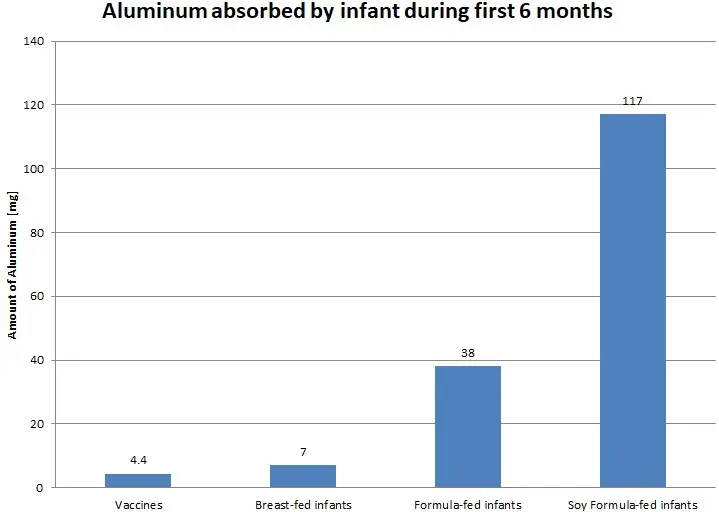
Even if you wish to discount the adjuvant effects of aluminum, the amount of aluminum contained in vaccines is extremely small. To put it into context, the aluminum content in vaccines for a newborn is similar to that found in 1 quart, or 32 fluid ounces, of infant formula. While infants receive about 4.4 milligrams of aluminum in the first six months of life from vaccines, they actually receive a lot more than that from their diet:
- Breast-fed infants ingest about 7 milligrams during the first six months of life
- Formula-fed infants ingest about 38 milligrams during the first six months of life
- Infants who are fed soy formula ingest almost 117 milligrams of aluminum during the first six months of life.
We also need to point out that only 1 in 4 babies are still breastfed exclusively by the time they reach 6 months of age in the United States, according to the CDC in 2018.
The important questions to ask someone who is vaccine hesitant:
- Did you know that aluminum can boost the immune response to the vaccine?
- Did you know that infants consume a lot more aluminum, more than 8 times in some instances, from their diet than they would from vaccines?
This concludes Part 2 of my Deep Dive into popular vaccine hesitant messaging that's circulating out there. Please stay tuned for the last of this series. Thanks for reading!
Good luck, stay home, and stay safe!
Cover art by Arek Socha from Pixabay





