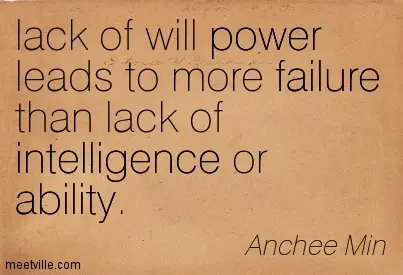
Will Power!
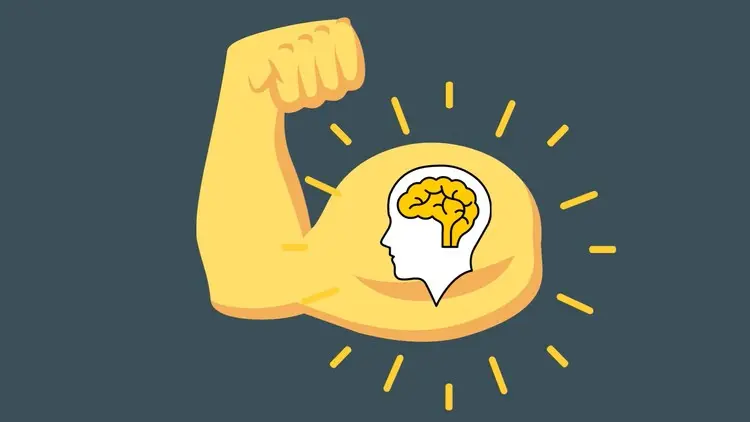
Willpower is required for every action which we take in our physical existence. It takes will to get out of bed in the morning, it takes will to move the body, it takes a small amount of will to think and a greater amount of will to change the way you typically think.
"I Will"
Whenever you use the phrase: "I Will" to begin a sentence you are calling on the willpower that you are confident in expressing. This will is a part of your ability to think and more importantly to turn those thoughts into doing.
Will governs our abilities to use the content of our consciousness creatively. Conscious is dual and has two major parts. The first is the pure "being-ness" that is the observer and director of the mind and the second part of consciousness is the content that populates the mind. Content contains all the memories,thoughts, feelings, and information stored in the mind.
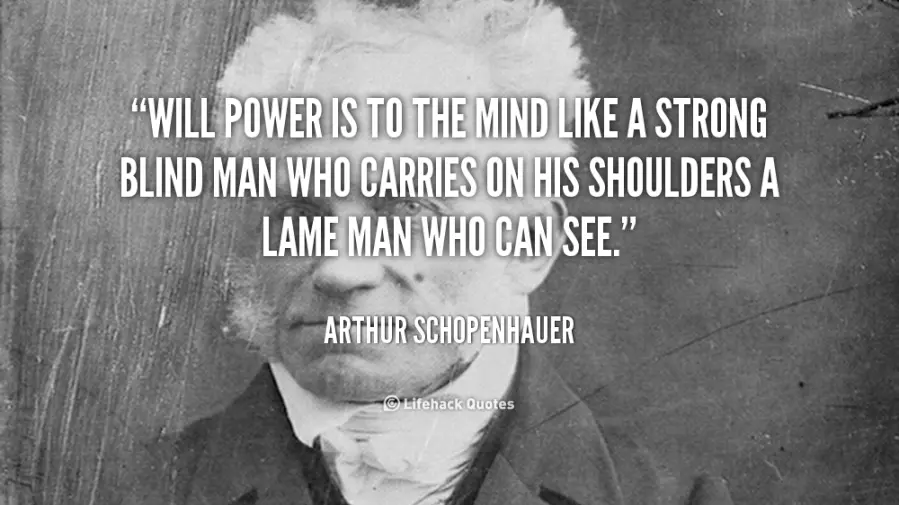
It is through the use of our creative intelligence that we cause changes in our lives. However the ability to actively engage our creative abilities depends on the secondary mastery of the will. Creativity itself does not make one successful. Our success in life depends on our development of our will to bring about change in our lives. Freedom is the natural result of a focused and determined will.
With concentrated attention and willpower the individual begins to realize that existence is more than just the physical body. Our identities are rooted in Spirit. By expanding the awareness and ability to direct the attention towards that which we most desire we actively engage our minds to seek that which we most desire. Strong willpower can be boiled down to the capacity to hold one’s attention on a single goal for a sustained period of time. To use the will to achieve a goal strengthens it. Despite our incredible willpower there is an aspect of the human psyche which often defeats the efforts of our own willpower and that aspect is the Ego.
Is the Ego the Enemy of Willpower?
In Sigmund Freud's structural model of the psyche, the ego functions as the mediator between the Id, the primitive and instinctual part of the mind, and the super-ego which is a sort-of altruistic model for morality. According to Freud‘s theory the Ego acts as a mediator between these two parts of the mind. The ego’s responsibility is to deal with what is real and what exists in reality.

The Ego is the part of the soul which is engrossed in physical existence. This transitory stage has a very important function which is most closely related to survival. The ego can be disciplined or controlled by the productive use of imagination, honesty, and discipline.
One way to transcend the ego is to look at the internal motivations for our actions. The ego seeks to protect the physical body an that protection can extend into the emotional body as well. The ego and react to situations and it is often these reactions which show that the individual is being motivated by an undisciplined ego.
The ego which is properly directed is a great servant to the individual who has control of it. To consciously see the ego reactions or what they are frames them in a way where you see the reaction for what it is a response which is based on imagined fear which usually results from past experiences of being hurt or not experiencing what was wanted. The ego controlled can be directed by placing awareness of the ego behind the awareness of the true Self. The ego thinks in terms of I and Me the true Self however is not limited and is not controlled by fear as a motivation. The True Self is a Knower and this knowing quality can cut right through the ego's limited perspective.
I hope you have enjoyed this Exploration of Will V.S. The Ego.
Please Leave a Comment Below and continue the discussion,
I love receiving comments and thought from other users here.
Thank you for reading!