
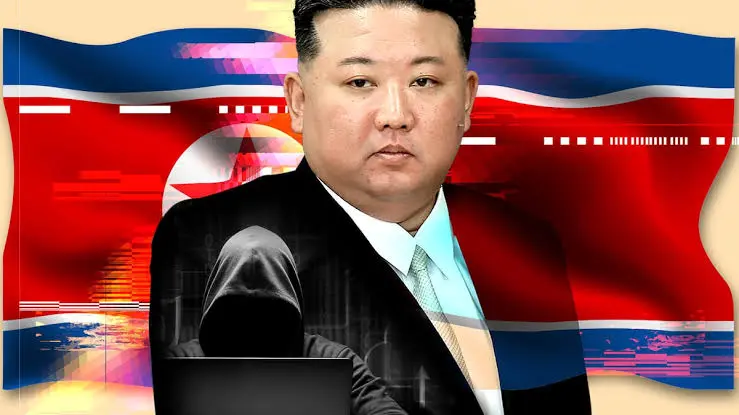
THORChain is facing major turbulence after North Korean hackers reportedly funneled $605 million in stolen crypto through the protocol. A core developer, Pluto, resigned after a decision to block these transactions was overturned almost immediately. Another validator, TCB, is also threatening to leave, arguing that THORChain isn’t decentralized enough to withstand regulatory pressure. With authorities like the FBI watching closely and urging validators to cut off the Lazarus Group, the project is at a critical crossroads.
ThorChain’s daily swap volumes have skyrocketed, hitting a record $860 million on Feb. 26 and $705 million the next day -largely due to these illicit transactions. The project’s founder, John-Paul Thorbjornsen, insists that THORChain isn’t laundering money but simply operates too quickly for blacklist systems to catch bad actors in time. He also argues that sanctioned wallets haven’t interacted with the protocol. Still, concerns are mounting that if major frontend providers and validators pull out, THORChain could struggle to maintain its position.
This situation also highlights a deeper issue - THORChain’s decentralization is being questioned. Unlike Bitcoin, which has a vast validator network, THORChain operates with fewer key participants, making it vulnerable to pressure. While the founder claims nodes can exit if they disagree, critics argue that the infrastructure is still concentrated in too few hands. If more key players leave, THORChain could be in serious trouble, facing both operational risks and increased scrutiny from regulators.






