
In a year defined by tech exuberance, Warren Buffett has remained steadfast in his highest conviction trade: Energy. The continued accumulation of shares in Occidental Petroleum (OXY) and maintaining a massive stake in Chevron (CVX) is not a short-term flip. It is a structural portfolio hedge designed to survive a decade of potential geopolitical instability and sticky inflation.
Energy Independence as a Strategic Asset
The thesis appears clear: energy is the currency of the physical world. With global conflicts escalating and supply chains fracturing, US-based shale assets become premium strategic holds.
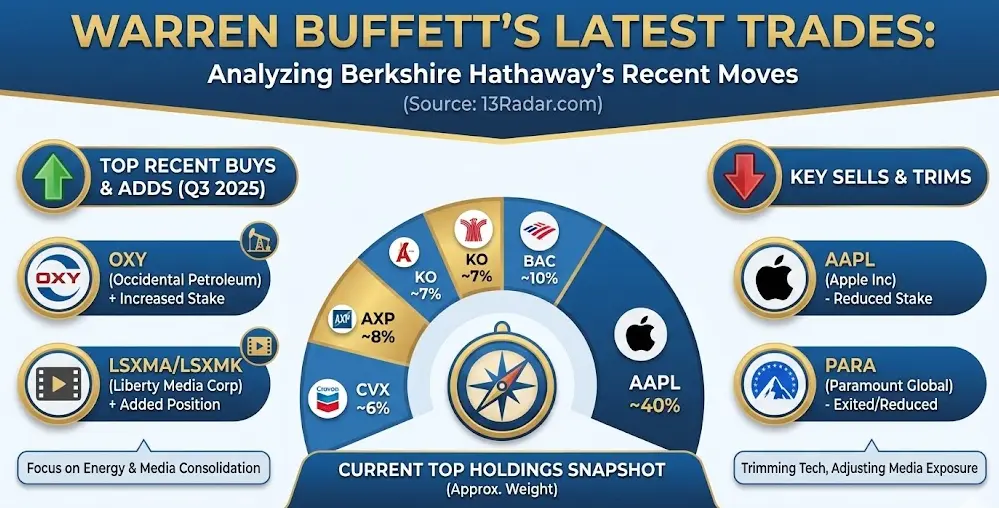
Key Strategic Drivers:
- Geopolitical Safety: Berkshire views the Permian Basin reserves as one of the safest places to park capital, far removed from overseas turmoil.
- Finite Supply: Unlike software, which can be replicated, oil reserves are finite. As depletion rates rise, the companies holding the best acreage will command a premium.
The "Barbell" Hedging Strategy
It seems contradictory to hold record cash and oil simultaneously, but they work in tandem. Cash protects against deflation and market crashes, while oil protects against inflation and currency debasement. This "barbell strategy" creates a portfolio immune system. If the dollar weakens in 2026, the energy portfolio acts as a counterbalance to the cash drag, ensuring capital preservation.
Utilizing the "Buffett Put"
Market observers have noted a distinct pattern: Berkshire tends to buy OXY aggressively whenever the price dips into the high $50s range. This creates a psychological and financial support level for the stock. By monitoring the warren buffett latest trades, astute traders can effectively "front-run" these support zones, buying with the confidence that the world's largest investor is standing ready to support the bid just below them.






