
Jerome Powell said that business fixed investment has been expanding, which is a good sign, but activity in the housing sector is still weak. He also presented projections showing unemployment moving lower, but these projections rarely play out the way they are shown. New data releases tend to shift the numbers quickly.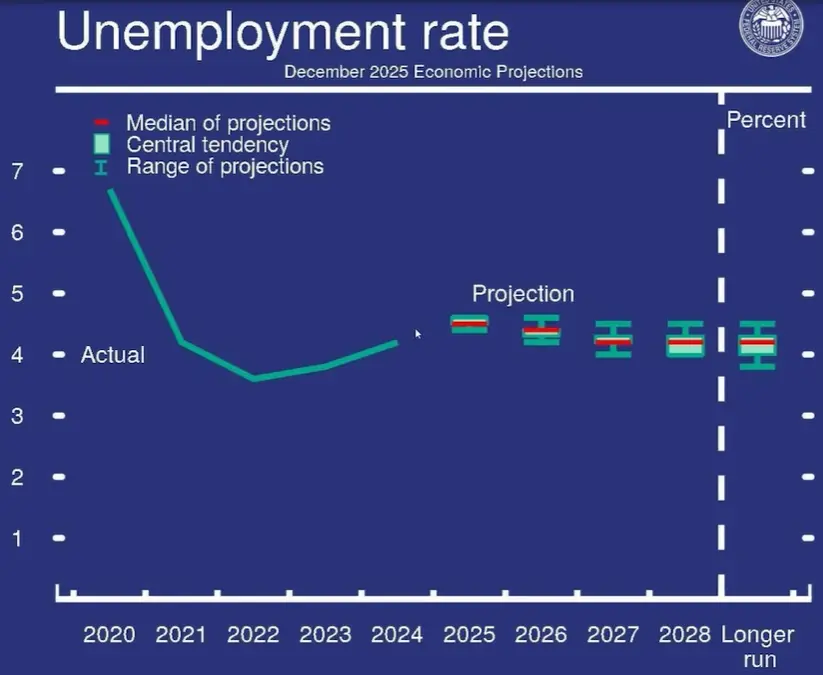
The same issue appears in the PCE inflation projections. They are expected to decline, but the previous meeting also showed a smoother path than what actually happened. The real world keeps moving differently from what the projections suggest.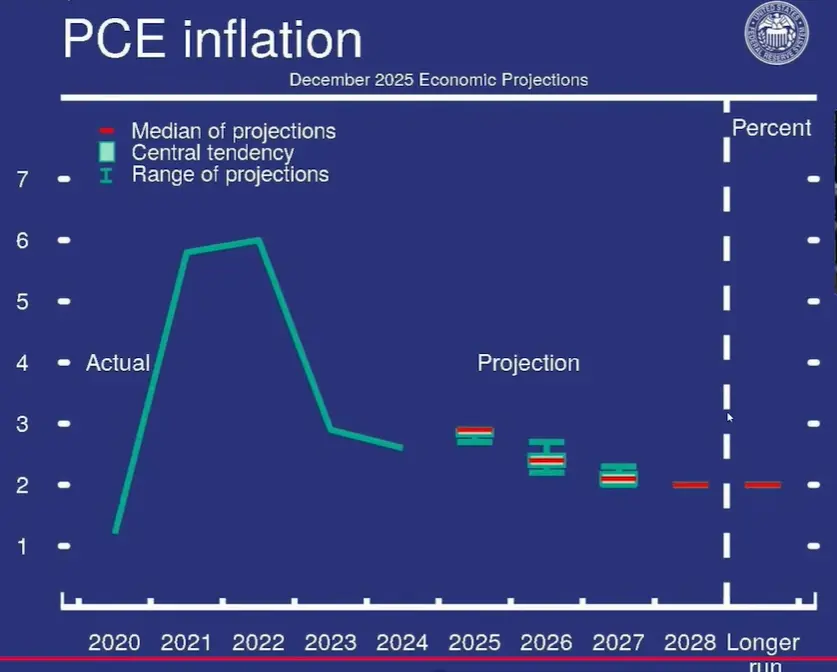
A major part of the meeting focused on the Federal Reserve’s control over money markets and on something they call quantitative easing. It sounds technical, but as Michael Burry has said many times, it is basically another form of bailout. To put it in simple terms, it is the same idea behind the Wall Street Bets meme of the “money printer.”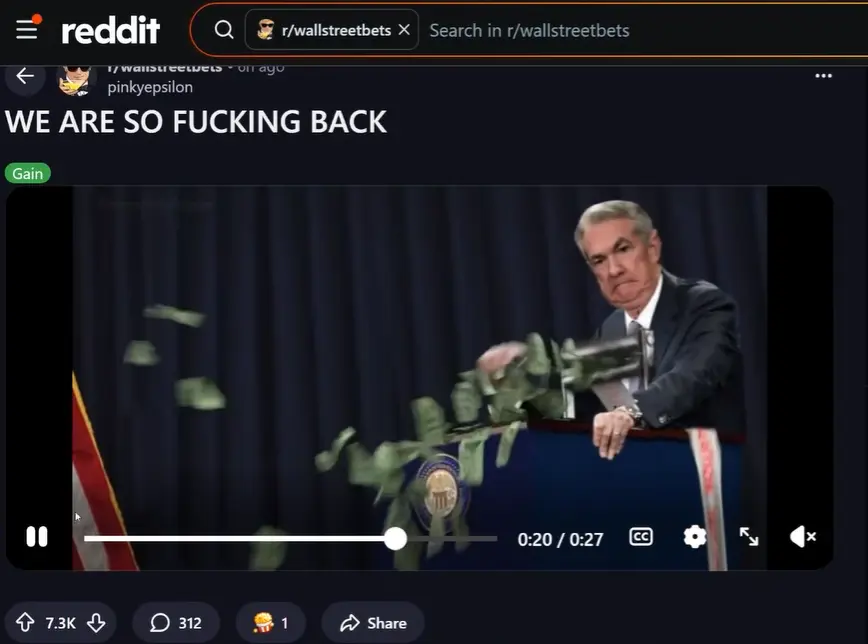
Here is why this matters. Banks do not hold a lot of cash. They invest in assets, sometimes risky ones, and when they need cash they borrow from other banks. This borrowing loop works until the system gets stressed. When banks are under pressure and everyone needs cash at the same time, the cycle breaks. That is why in 2021 the government introduced the repo facility. It allows banks to exchange low quality bonds for cash. The problem is that using the repo window is public, and once investors see a bank tapping it, confidence drops and the stock usually falls.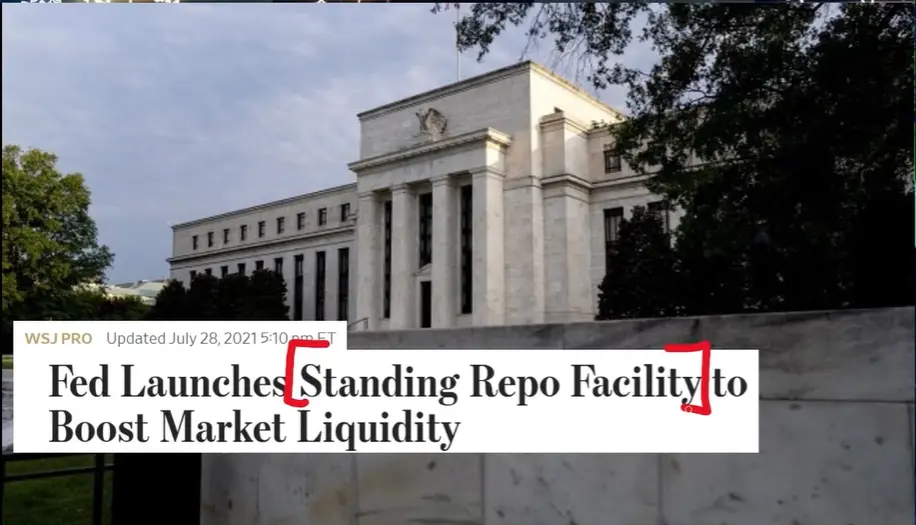
People understand what quantitative easing is now, so a new term was created: RMP, which stands for reserve management purchases. It is another way to inject money into the system so banks can keep lending.
All of this shows the underlying issues are still there.
Major Points are from the Big A youtube channel.






