
The government finally released its delayed inflation report for November and on paper it looked almost too good to be true. Inflation came in at one of the lowest levels seen in a long time. At first glance it suggested prices are cooling fast and the pressure on consumers is easing.
But economists are not convinced.
The problem is that these numbers do not match how people actually feel. Most households believe their expenses have gone up, not down. Groceries, rent, childcare, fuel and basic services still feel expensive in day to day life. That disconnect is why many economists are questioning whether the data itself is reliable.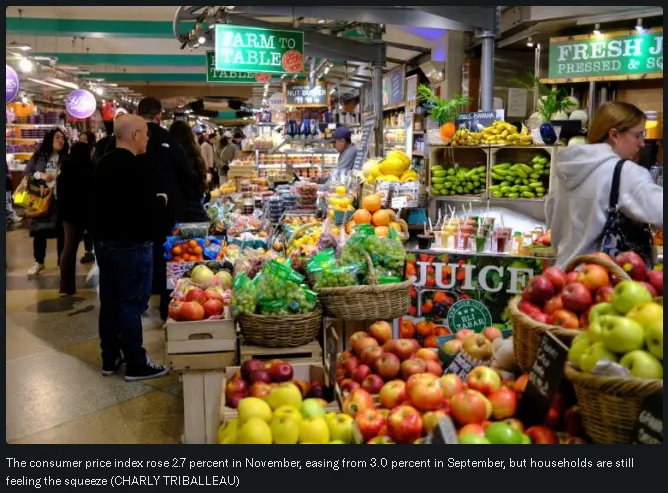
Some people jump straight to conspiracy theories, assuming the government is intentionally showing lower inflation. But the more realistic explanation is much less dramatic and far more technical.
According to several economists cited in a Yahoo Finance report, the real culprit may be the extended government shutdown. The shutdown disrupted the Bureau of Labor Statistics ability to properly collect data throughout November. Inflation reports rely heavily on surveys and price sampling, and when those processes break down, the results can become skewed.
This is not new. Something similar happened with jobs reports in the past. When survey participation drops or data collection is interrupted, the reported numbers often look artificially weaker or stronger than reality. Fewer responses mean assumptions have to fill the gaps, and those assumptions can distort the final index.
In simple terms, inflation data is built by calling people, surveying households, and tracking prices across categories. But fewer people answer survey calls anymore. Combine that with a shutdown that limits field work and you get an index based more on estimates than real observations.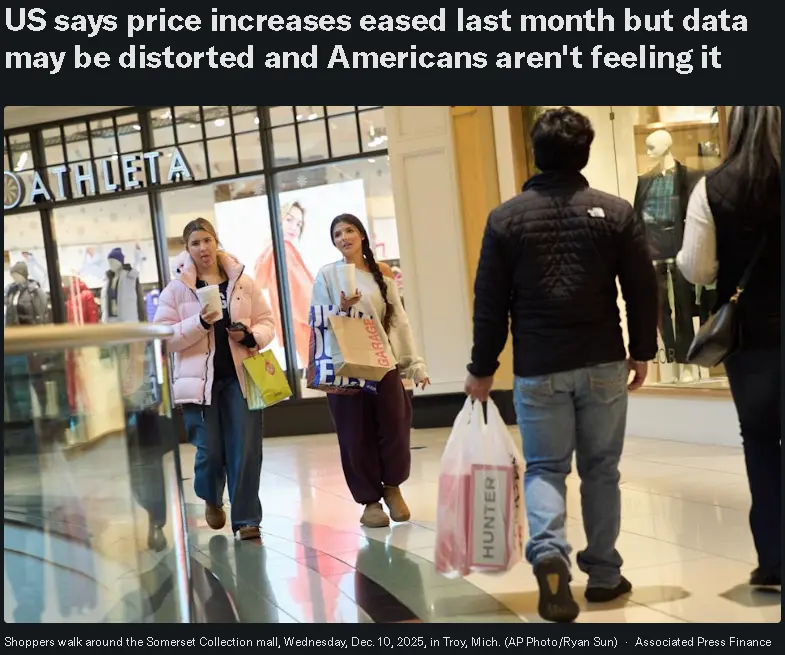
Diane Swonk, a well known economist, summed it up clearly. She said inflation was expected to cool, but this level seemed excessive. More importantly, she warned that the assumptions made in earlier months do not just affect one report. They anchor the index going forward, meaning any error can linger for months.
There were also strange details inside the report itself. Gasoline prices showed an increase on a seasonally adjusted basis even though prices actually declined during the period. Daycare costs, which have been one of the fastest rising service costs for years, suddenly fell. These quirks reinforced the sense that something was off.
None of this means inflation is not cooling at all. It likely is. But the report may be exaggerating how fast and how smoothly that cooling is happening. When the data collection process is disrupted, the headline number can tell a story that does not match reality on the ground.
https://finance.yahoo.com/news/wacky-number-economists-cry-foul-190154737.html






