How to protect yourself & loved ones from financial scams
Financial fraud is on the rise, for young & old people alike. Especially those with cognitive impairments. Protect yourself and your loved ones with the following practical tips.
If you have been a scam victim SPEAK OUT. No one should be afraid or embarrassed to report a scam. By reporting fraud, you could help prevent someone else from becoming a victim.
These are crimes, pure and simple, and they need to be reported to local law enforcement and government agencies. I will share some links to areas where you can report fraud below.
If you know of a case of fraud that is related to the IRS, Medicare, or Social Security, alert the Department of Justice through its Elder Fraud Hotline. Don’t forget to notify banks and credit card companies immediately so they can monitor for additional fraud attempts. It is VERY important for you to change your passwords to block future account access.
Beware of These Common Scams
Tech Support
- How it works: While a person is using the internet on a computer or mobile phone, a pop-up message appears saying the device is damaged and needs repair. If the person responds, the scammer requests remote access to the device, or a fee to repair it or to purchase or renew software or security subscriptions.
- What to do: Do not respond. “Most tech support services do not proactively reach out to individuals to fix computer issues,” says Genevieve Waterman, director of economic security at the National Council on Aging.
Customer Service
- How it works: Reaching consumers by phone call, email, social media, or instant message, the scammers misrepresent themselves as customer support personnel from a financial institution or utility company.
The scammers are smooth they may ask people to make wire transfers to accounts,
purchase large amounts of prepaid cards, or mail large amounts of cash overnight.
Often, those responding will be asked to enter personal
details, such as, their Social Security or driver's license numbers.
- This can lead to identity theft, where perpetrators impersonate the victims to make purchases or otherwise exploit their assts—like submitting health insurance information to get medical care, or filing false tax returns under the Social Security number to show eligibility for benefits.
- What to do: Never give out secure information to an unfamiliar third party. Such as passwords and bank account numbers.
- Consider subscribing to an identity theft protection service, such as Lifelock ($10 to $30 a month), that monitors personal and financial information with real-time email and text message alerts about any suspicious activity. ( I do not get any affiliate marketing money for that recommendation, it’s just for your reference.)
Nondelivery/Nonpayment
- How it works: Victims make purchases from false vendors, they will never receive what they paid for, or they will be sent an email or text claiming goods or services were shipped or provided but payment is still due.
This trick is common, people fall victim especially during the holidays when scammers exploit a person’s desire to find gifts advertised to be in short supply and make payments in return for quick deliveries.
- What to do: Pay close attention to the website or email address.
It may look different from a real company's address by one character, or the extension is different (ggoogle.com instead of google.com, for instance). Always verify an unfamiliar company's existence before making a purchase or submitting any money. “Low price is the top reason people fall victim to non-delivery scams after ‘purchasing’ a product online,” says Waterman. “If the deal seems too good to be true, it probably is.” If you know about fake vendor websites and emails, tell your loved ones about them.
Grandparent Fraud
- How it works: Perpetrators pretend to be a grandchild (or other relative) who is in trouble—having been in an accident or arrested in a foreign country—and urgently needs funds. Some scammers even send couriers to pick up cash or gift cards from the victims, says Waterman. That makes seniors vulnerable both financially and physically.
- What to do: Tell your older relatives about the scam, and suggest that they delete any emails like this without replying, and if they get a phone call with a message like this, that they hang up immediately and call the grandchild directly. Consider signing up your loved ones for the National Do Not Call Registry to prevent telemarketers and potential scam artists from reaching them.
Resources for Fraud Prevention
- AARP Fraud Watch Network: aarp.org
- Elder Fraud Hotline (Department of Justice): 833-372-8311
- FBI Internet Crime Complaint Center: ic3.gov; 800-225-5324
- National Adult Protective Services Association: napsa-now.org
- National Center on Elder Abuse: ncea.acl.gov
- Social Security Administration Fraud Hotline: 800-269-0271
- United States Senate Special Committee on Aging's Fraud Hotline: aging.senate.gov; 855-303-9470
If you found this article useful, give a thumbs up and tip. Thanks!
Resources = https://www.brainandlife.org/
Some of my other interests with affiliate links, please take a moment to check them out.
I have written a few books, value priced for you. Take a look on Amazon:
AMAZON BOOK LINK
https://www.amazon.com/Marilyn-Ryan/e/B08NQ3828H?ref_=dbs_p_ebk_r00_abau_000000
Do you shop at Chewy for your pets or other online stores? If so use this secure cash back site, I've been using it for years, it's time I share the info wit h others go to: https://www.rakuten.com/store/chewy.com?ref_id=BIGDOG1374
Coinbase referral link:
Want to earn free crypto learning about crypto updates and safe a place to store your crypto?
Sign up for Coinbase using my link and we can each get $10 in Bitcoin https://coinbase.com/join/ryan_w1o?src=ios-link
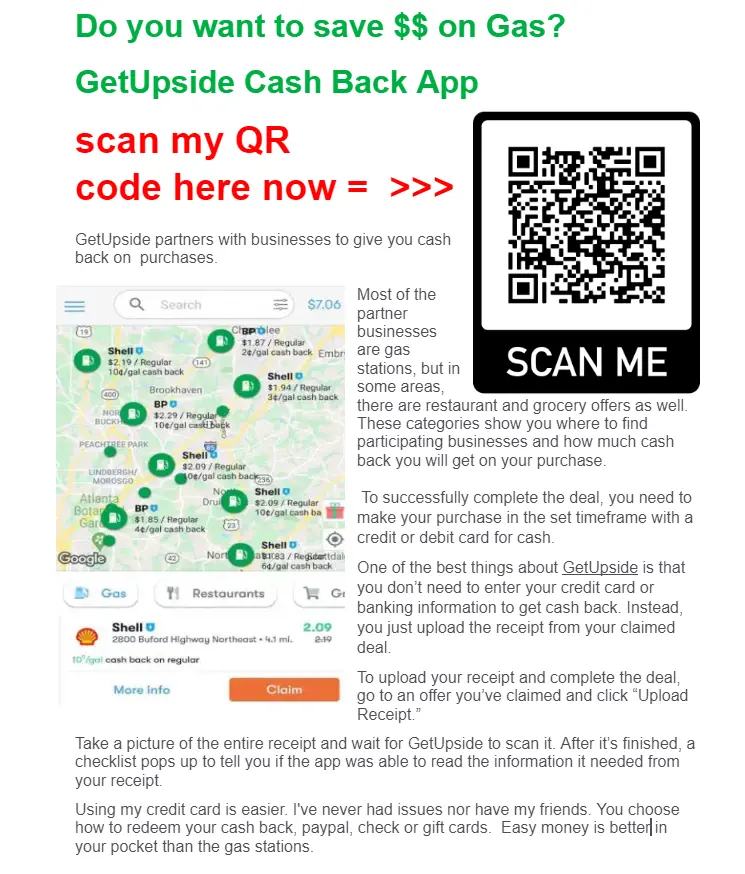
UPSIDE APP: with this APP I get cash back on gasoline, also at some restaurants and grocery stores. It's awesome. I choose to have
my cash back put into pay-pal. You can choose gift cards, pay-pal various other options.